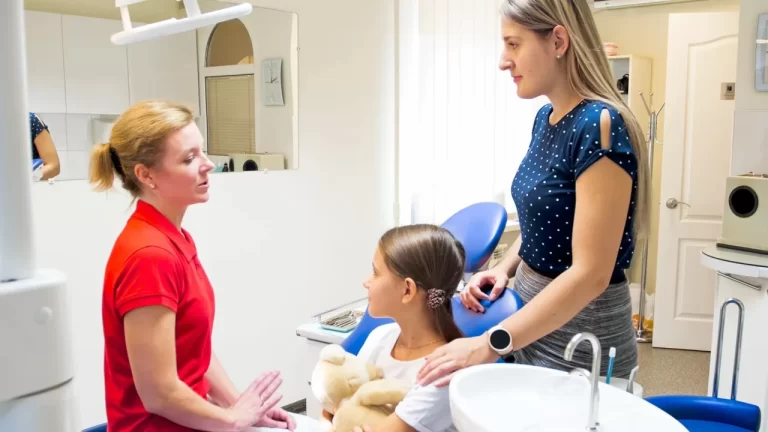
Why Parents Can't Be in the Room During Dental Sedation

You want to be there for your child. When they're scared, when they're having a medical procedure, when they need you most, your instinct is to stay by their side. So when a pediatric sedation center tells you that you can't be in the room during your child's dental sedation, it feels wrong.
We hear this from parents every week. At Pediatric Sedation Center of Georgia, "Can I stay with my child during sedation?" is probably the question we get most. The answer is no. This article explains why that policy exists, how your child will be monitored while you wait, and why parental presence during sedation can actually make things harder for everyone in the room.
Do Dentists Allow Parents in the Room During Dental Sedation?
It depends on the practice and the type of dental care involved. For routine dental visits, cleanings, and simple fillings with nitrous oxide, most pediatric dentists welcome parents in the treatment room. Having a parent nearby during these lighter procedures helps many children stay calm.
For deeper sedation, though, the rules change. When IV sedation or general anesthesia is involved, most sedation dentistry practices ask parents to wait outside. The sedation suite operates differently than a regular dental office. There are more people in the room, more equipment running, and no margin for distractions. Every person in the room has a specific job during the procedure, and parents are not part of that team.
Why Parents Wait Outside During Dental Sedation
The treatment room during dental sedation has to stay tightly managed. Every person in it has a job. There is no room for observers.
The Dental Team Needs Uninterrupted Focus
During your child's sedation appointment, several things happen at once. The anesthesiologist watches your child's vital signs: heart rate, blood pressure, oxygen saturation, CO2 levels, and breathing patterns. The pediatric dentist works on the dental treatment plan. Assistants manage instruments, suction, and supplies. The whole dental team communicates back and forth about your child's status as the procedure progresses.
A parent in the room, no matter how well-intentioned, can break that focus. You might ask a question while the anesthesiologist is adjusting medication. You might react to seeing your child sedated and unconscious. Even a small disruption like that can throw off the dental procedure.
Children Behave Differently Without a Parent Watching
Many children become more anxious, not less, when a parent is allowed to stay in the room. They cling. They resist. They look to you for rescue, and if they pick up on your own nervousness, it makes their dental anxiety worse.
Once sedation starts, your child won't know you're gone. They're asleep. They shouldn't feel pain or remember the dental treatment. Your presence at that point wouldn't comfort them. It would only add one more person to manage in an already full room.
Safety Protocols Leave No Room for Extra People
Pediatric dental sedation follows strict safety guidelines from the American Academy of Pediatrics (AAP) and the American Academy of Pediatric Dentistry (AAPD). These protocols define who should be in the room, what monitoring equipment is required, and how the dental team responds if something goes wrong. Your child's safety depends on that room running exactly the way it's supposed to.
Parents aren't part of that protocol. If something goes wrong, every person in the treatment room needs to act within seconds. Nobody can pause to explain what's happening or calm a frightened parent. The entire team's attention has to stay on your child.
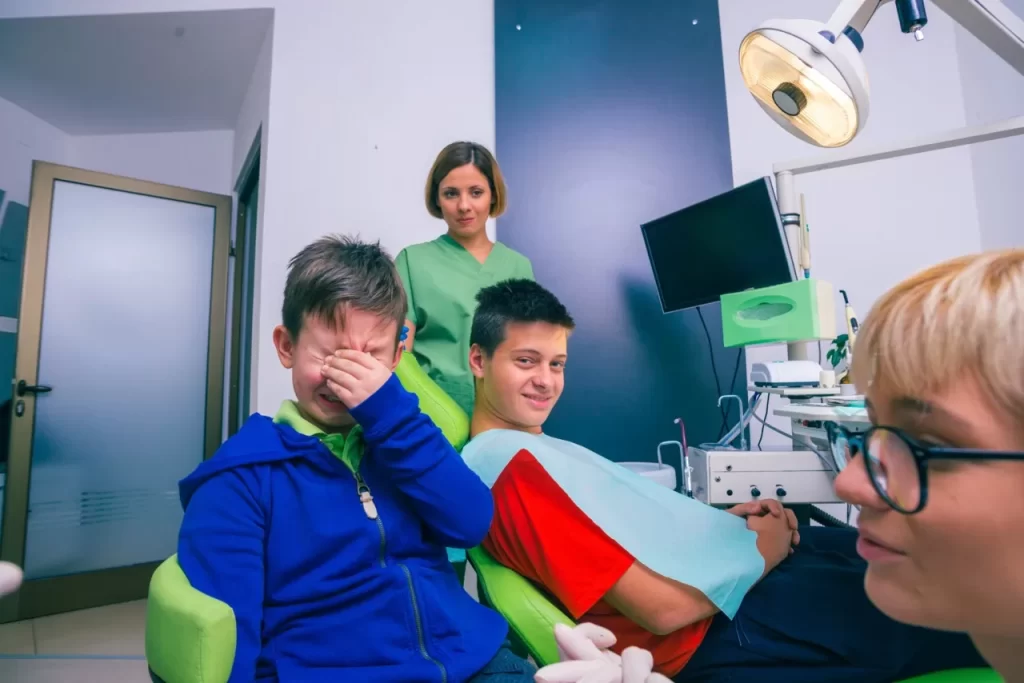
How We Keep Parents Informed During Dental Sedation
Waiting outside the room does not mean sitting in the dark. At Pediatric Sedation Center of Georgia, we know that the waiting is the hardest part for parents, and we built our process around that.
You'll wait in a comfortable area with TVs and workstations. Throughout your child's appointment, our staff will provide updates. You'll know when the dental procedure starts, how things are going, and when your child is heading into recovery. Some parents use this time to catch up on work. Others just sit and wait. Either way, you're never more than a few steps from the sedation suite.
The moment your child starts waking up, the team brings you back. You're the first face they see: groggy, a little confused, looking for someone familiar. That reunion matters far more than being present while they slept through dental treatment they won't remember.
What Happens During Your Child's Sedation Procedure?
Knowing what's going on behind those doors makes the wait easier. Here's what a typical sedation appointment looks like.
Your child starts in our kid-friendly pre-op area. Once they're moved to the sedation suite, the anesthesiologist places the IV and administers sedation medication. Your child falls asleep within seconds. From that point forward, they're monitored continuously:
- Heart rate and rhythm
- Blood pressure
- Oxygen saturation
- Carbon dioxide levels (to confirm proper breathing)
- Temperature
A board-certified anesthesiologist manages the sedation from start to finish and adjusts medication as needed. The pediatric dentist completes all planned dental work while your child sleeps. Sedation allows the dentist to handle extensive dental treatment in a single visit, so your child doesn't need to come back multiple times. When the dentist finishes, the anesthesiologist stops the sedation and your child gradually wakes up.
Your child shouldn't feel any pain. No fear, no awareness of what happened. They sleep, they wake up, and their dental work is done.
For a full breakdown of what the recovery period looks like, see our guide on what to expect after dental sedation.
How Will Your Child Be Monitored During Sedation?
This is the question behind the question. When parents ask "Can I stay in the room?" what they really want to know is "How do I know my child is okay?"
Your child will be monitored closely the entire time. The anesthesiologist watches every breath, every heartbeat, every change in oxygen level. This is not a set-it-and-forget-it situation. The anesthesiologist adjusts sedation medications throughout the procedure based on what your child's body is telling them in real time.
The AAP and AAPD require specific monitoring protocols for pediatric sedation, and our team exceeds those standards. A dedicated anesthesiologist does nothing but watch your child. They don't assist with dental work. They don't leave the room. Their entire job is your child's safety.
If you want to know more about how we care for your child before and after the procedure, our preparation guide covers what to do prior to the appointment and what to expect when your child recovers.
Does a Parent Have to Be Present for a Dentist Appointment Involving Sedation?
Yes. A parent or legal guardian must be at the dental office to provide consent and to take your child home after the dental procedure. You just can't be in the treatment room itself. You'll be nearby the entire time.
Plan to bring two adults to the sedation appointment. One person drives. The other sits in the back seat with your child on the way home. This is a safety requirement, not a preference. Your child will need supervision for the remainder of the day following dental sedation. Don't plan to send them back to school or daycare afterward. They may feel sleepy or unsteady for several hours.
When Can Parents Stay During Dental Treatment?
It depends on how deep the sedation goes. Here's how it breaks down across most pediatric dentistry practices:
Routine dental visits: Parents are welcome to stay in the room for cleanings, exams, and simple procedures at most dental offices. These are standard dental visits that don't involve sedation.
Nitrous oxide (laughing gas): Many practices allow parents to stay because the child remains awake and aware throughout the dental treatment. This is a common approach at general pediatric dentist offices for kids who need help relaxing during dental work.
Conscious sedation / oral sedation: Policies vary. Some practices let parents stay for lighter oral sedation; others ask parents to step out. The child is sedated but not fully asleep, which is why rules differ from practice to practice.
IV sedation and general anesthesia: Parents wait outside the treatment room. This is standard across pediatric sedation centers, including ours. The depth of sedation, the monitoring equipment, and the number of people involved all require a focused environment. Learn more about the differences between IV sedation and general anesthesia and what each involves.
Note: Pediatric Sedation Center of Georgia provides IV sedation and general anesthesia only. Nitrous oxide and oral sedation are services offered by general pediatric dentists, not our practice.
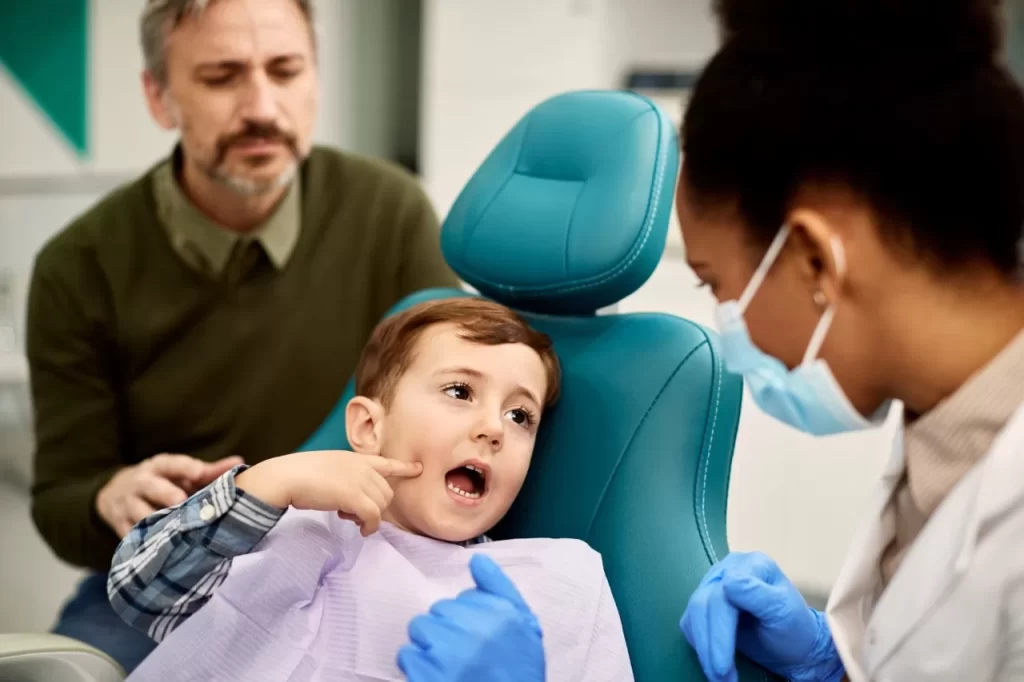
The Best Way to Support Your Child Before and After Sedation
The biggest thing you can do for your child happens outside the treatment room.
Before the procedure, you set the tone. Stay calm. Talk about the visit in positive, matter-of-fact language. Don't project your own dental anxiety onto your child. If your child picks up that you're nervous, they'll match it. The best way to help your child feel comfortable is to treat the appointment as routine, not as something scary.
After sedation, you're there when they wake up. Being there helps them feel safe as the grogginess wears off. You take your child home, keep them comfortable during recovery, and give your child clear liquids to start. Move to soft foods when your child is ready.
Your child may feel sleepy for several hours. That's normal. Supervise your child closely for the rest of the day and keep activities low-key.
And here's the part that matters long-term: your child has no traumatic memories from this dental visit. They fell asleep, they woke up, and their teeth are fixed. That positive dental experience, even though they weren't conscious for it, shapes how they feel about the dentist going forward. No fear. No pain associations. That sets them up for better dental health for years to come.
Handing Your Child Over Is Hard
No one is pretending it isn't. When someone tells you to wait outside while your child has a dental procedure, it goes against every parenting instinct you have.
But this policy exists because a controlled treatment room is the safest place for your child during dental sedation. The sedation team needs zero distractions. Your child's dental care is in the hands of people who do this every day.
We don't ask you to trust blindly. We ask you to trust a board-certified anesthesiologist who monitors your child closely from the first second of sedation to the last. To trust a pediatric dentist who handles their dental treatment while they sleep. And to trust the staff who walks out to the waiting room to tell you how it's going, because they know you need to hear it.
Thousands of families have been through this process at Pediatric Sedation Center of Georgia. Our 5-star Google rating comes from parents who felt exactly the way you do right now and left feeling confident their child was in the right hands.
Questions About Our Sedation Process?
If you're worried about being separated from your child during dental sedation, call us at 470-395-2524. We'll walk you through what happens during your child's sedation dentistry appointment, answer your questions, and help you feel prepared. There is no such thing as a question we haven't heard before.
For more about our services, visit our sedation dentistry overview. Parents with general questions should check our Pediatric Sedation FAQs.
Pediatric Sedation Center of Georgia
8180 Mall Parkway, Suite 810
Stonecrest, GA 30038