


There's a difference between a child who is nervous and a child who cannot sit in the dental chair. Many children feel anxious before an appointment but calm down once the dentist starts working. Dental anxiety or fear becomes a clinical problem when your child physically fights the dental team, gags uncontrollably, or cries so hard the dentist cannot safely complete the procedure.
At the Pediatric Sedation Center of Georgia, Dr. Todd Asarch sees this pattern regularly. A child may have had one bad dental experience that turned every future visit into a battle. Or the fear may have no clear trigger at all. Either way, when a child's anxiety makes it impossible for the dentist to work efficiently and safely, sedation can help break that cycle.
A single small cavity is usually manageable without sedation. But when a child requires multiple procedures (crowns, fillings, extractions, or pulpotomy treatment), the total chair time can stretch past what even a cooperative child can tolerate. Asking a four-year-old to hold still for long periods while a dentist places two stainless steel crowns and fills three teeth is not realistic.
Sedation dentistry helps in these cases because the dental team can complete all the work in a single visit. The child sleeps through the appointment, the dentist works without interruption, and the family avoids scheduling four or five separate appointments that each carry their own stress and recovery.
Children under age three or four often lack the developmental ability to follow instructions like "open wide" and "hold still." This is not a behavior problem. It is a developmental reality. The American Academy of Pediatric Dentistry (AAPD) recognizes that very young children may need sedation simply because they cannot cooperate with dental treatment, regardless of how gentle the dentist is.
If your child's pediatric dentist has found cavities that need treatment and your child is too young to sit through the procedure, sedation may be necessary to prevent those cavities from progressing into infections or abscesses.
Children with autism, sensory processing disorders, cerebral palsy, or other developmental conditions often struggle with dental visits in ways that go beyond typical childhood anxiety. The sounds, lights, tastes, and physical sensations of a dental office can overwhelm a child with sensory sensitivities. A child with limited verbal communication may not be able to signal pain or discomfort during a procedure.
Sedation is often recommended for children who experience these challenges because it allows your child to remain calm and comfortable while receiving the dental care they need. The Pediatric Sedation Center of Georgia works with many children with special needs, and the sedation team evaluates your child's medical history, medications, and specific needs before recommending a sedation method.
Most pediatric dental sedation referrals come from general pediatric dentists who have already tried other approaches. Your child's dentist may have attempted nitrous oxide (laughing gas) or oral sedation with limited success. Or the scope of dental work needed may require a deeper level of sedation than a general pediatric dental office can safely provide.
When a general pediatric dentist refers your child to a dedicated sedation center like the Pediatric Sedation Center of Georgia, it means they believe your child needs a facility and dental team specifically equipped for IV sedation or general anesthesia. This is not a failure of the referring dentist. It is the standard of care when lighter sedation options are not enough.
This is one of the most common questions parents ask, and the honest answer is: it depends on the child. Not every child needs sedation, and no responsible pediatric dentist recommends it without a clear clinical reason.
Sedation is recommended for children when the benefit of completing dental treatment safely outweighs the risks of the sedation itself. The AAP and AAPD updated their joint guidelines in 2019 to strengthen safety requirements for pediatric dental sedation, including requiring that sedation providers have specific training, that the facility meet monitoring standards, and that a separate provider manage the sedation while the dentist focuses on the dental procedures.
Dr. Todd Asarch and the team at the Pediatric Sedation Center of Georgia follow these guidelines and are affiliated with the AAPD, ASA, ADA, and Georgia Dental Association. The center uses IV sedation and general anesthesia (not nitrous oxide or oral sedation, which are typically offered at general pediatric dental offices) and maintains hospital-level monitoring protocols.
You do not need to diagnose this yourself. Your child's pediatric dentist will evaluate your child's dental needs, behavior, medical history, and age to determine whether sedation is the right approach. But there are signs that sedation might be part of the conversation:
If any of these signs sound familiar, ask your child's dentist whether sedation for your child's dental care might be the right step. A referral to a pediatric sedation center does not lock you into anything. It starts with a consultation.
Some four-year-olds can sit through a filling with local anesthesia and no sedation at all. Others cannot. Age alone does not determine whether your child needs sedation. The factors that matter more include your child's temperament, the number and location of cavities, how your child handled previous dental visits, and whether your child can keep their mouth open long enough for the dentist to work.
If your child's pediatric dentist has tried a filling appointment without sedation and it did not go well, that does not mean your child will always need sedation. It means this particular set of dental needs, at this particular age, requires a different approach. Many kids who need sedation at age three or four do not need it by age seven or eight.
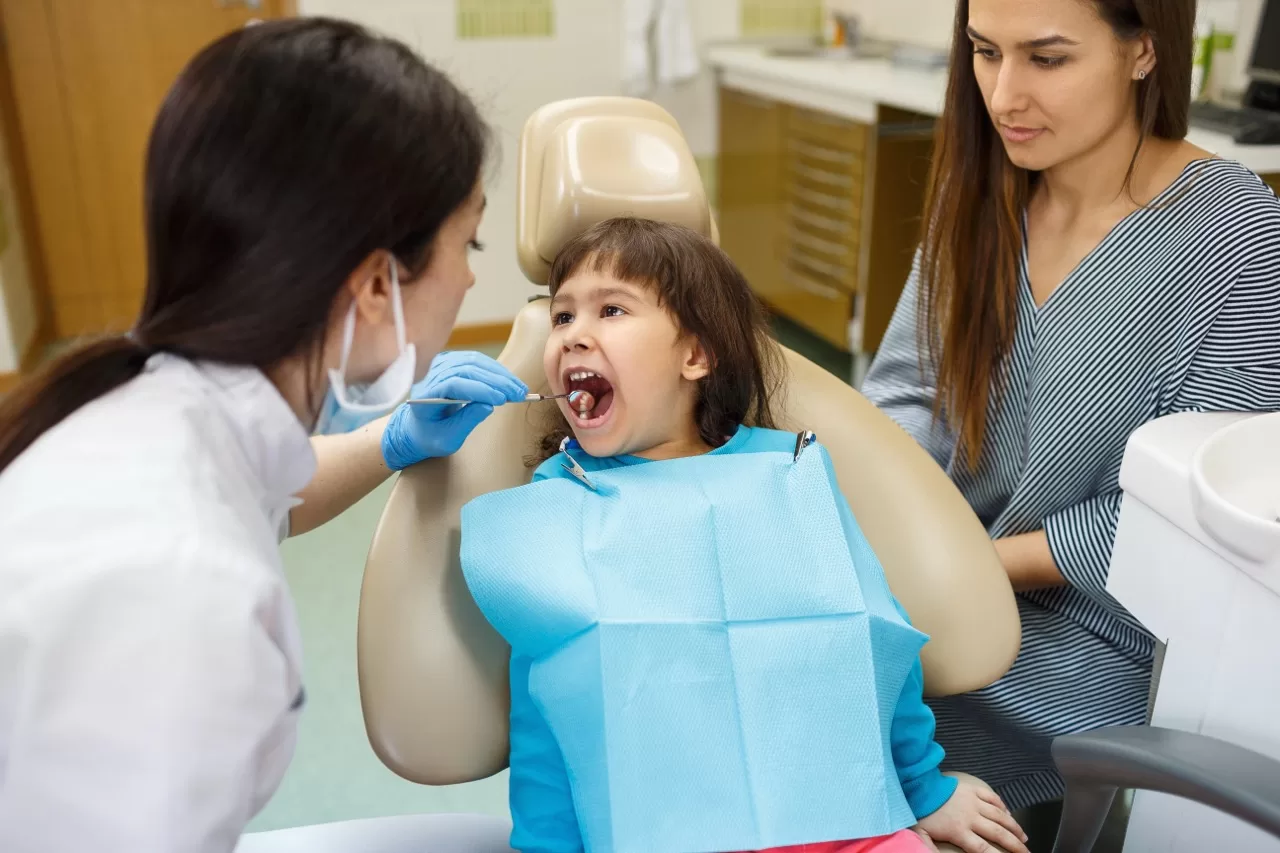
Pediatric dental sedation falls into several categories, and knowing the differences helps you understand what your child's dentist is recommending.
(sometimes called laughing gas) is the mildest form of sedation. The child breathes it through a mask, feels relaxed, and remains awake and responsive. Most general pediatric dentists offer nitrous oxide in their offices for mild anxiety. The Pediatric Sedation Center of Georgia does not provide nitrous oxide because the children referred to the center typically need a deeper level of sedation.
Oral sedation involves giving your child medication by mouth before the procedure. The child becomes drowsy but may still be partially aware. Like nitrous oxide, oral sedation is typically administered at general pediatric dental offices and is not a service provided at the Pediatric Sedation Center of Georgia.
IV sedation and general anesthesia provide deeper sedation where the child sleeps through the entire procedure. This is what the Pediatric Sedation Center of Georgia specializes in. IV sedation allows the dental team to complete extensive dental work (white fillings, crowns, tooth-colored crowns, extractions, pulpotomy, pulpectomy, space maintainers, and sealants) in a single visit while the child remains fully asleep. A pediatric anesthesiologist or anesthesia provider monitors the child throughout the procedure.
There is also hospital sedation for children with severe medical histories or conditions that require the additional resources of a hospital setting. The Pediatric Sedation Center of Georgia offers hospital sedation for these cases as well.
You do not need to diagnose this yourself. Your child's pediatric dentist will evaluate your child's dental needs, behavior, medical history, and age to determine whether sedation is the right approach. But there are signs that sedation might be part of the conversation:
If any of these signs sound familiar, ask your child's dentist whether sedation for your child's dental care might be the right step. A referral to a pediatric sedation center does not lock you into anything. It starts with a consultation.
Sedation helps ensure that your child receives the dental treatment they need without the fear, pain, or repeated appointment cycle that makes dental care stressful for the whole family. At the Pediatric Sedation Center of Georgia in Stonecrest, the process starts with a consultation where the dental team reviews your child's medical history, current medications, and specific dental needs.
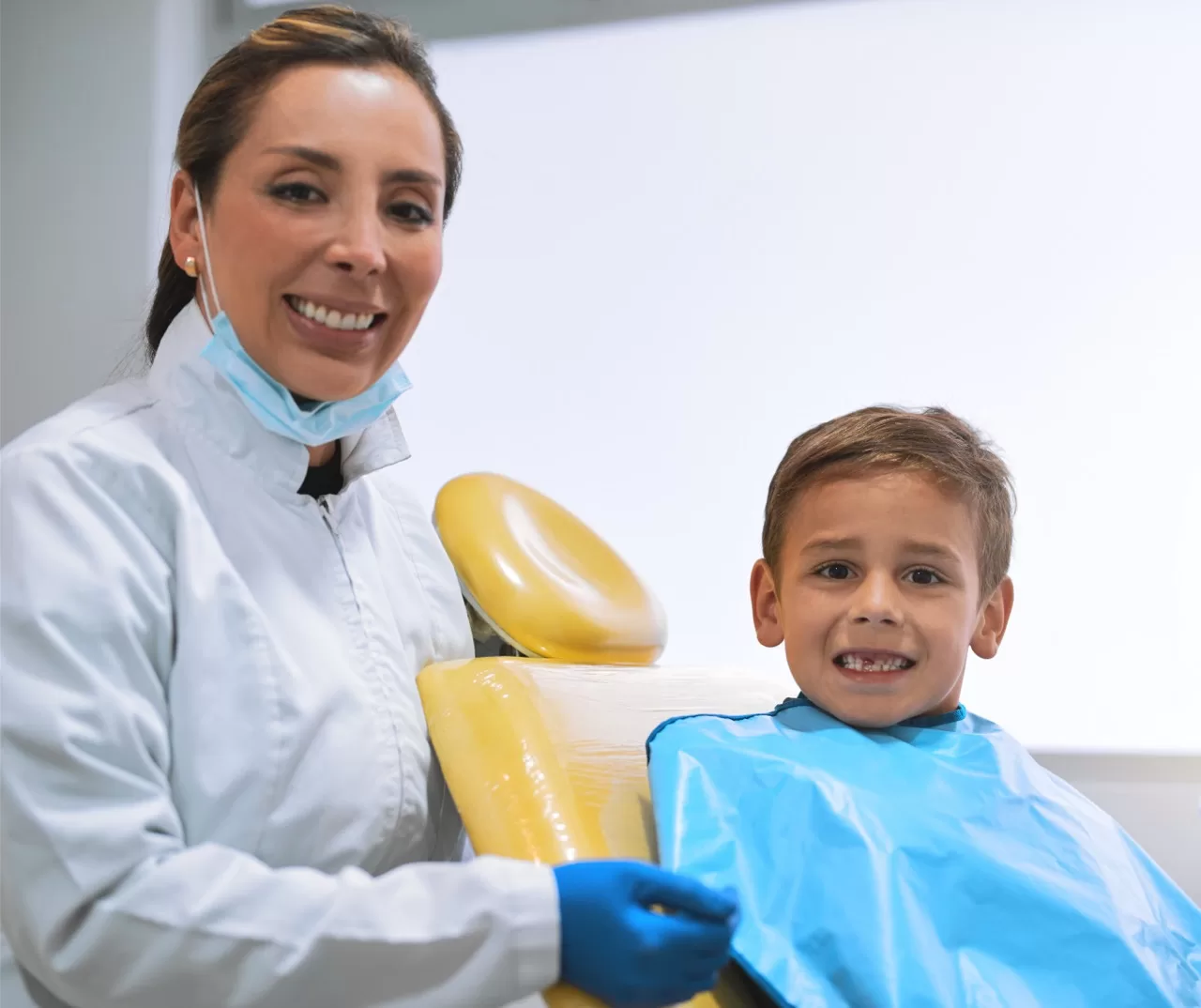
You will get specific preparation instructions, including fasting guidelines. The 2-4-6 rule for sedation is a common fasting guideline used in pediatric dentistry: clear liquids up to 2 hours before, breast milk up to 4 hours before, and formula, non-human milk, or a light meal up to 6 hours before the procedure. Your child's sedation team will give you exact instructions based on your child's age and the type of sedation planned.
On the day of the procedure, the child gets dental care while sedated, with continuous monitoring of heart rate, oxygen levels, and breathing. Most children are groggy for several hours afterward. Some are irritable or nauseated the rest of the day. That is normal. Your sedation team will tell you exactly what to watch for and when to call.
Choosing sedation for your child's dental work is not giving up on regular dental visits. It is giving your child the chance to receive the care they need right now, without pain or fear, so that future dental experiences can be positive. Many children who have dental procedures under sedation go on to handle routine dental visits without any sedation as they grow older.
If you think your child may benefit from sedation dentistry, talk to your pediatric dentist about a referral. Or contact the Pediatric Sedation Center of Georgia directly at 470-395-2524 to schedule a consultation. The center is located at 8180 Mall Parkway, Suite 810, Stonecrest, GA 30038, and is the only 5-star rated sedation center in Atlanta.
Learn more about pediatric dental sedation services, read about sedation safety for children, or explore IV sedation for children. If you are ready to prepare, visit our preparation guide. Parents of children with specific concerns can also read about sedation for children with dental anxiety and sedation for children with special needs, or browse our frequently asked questions.
Pediatric Sedation Center of Georgia
8180 Mall Parkway, Suite 810
Stonecrest, GA 30038
Phone: 470-395-2524


