
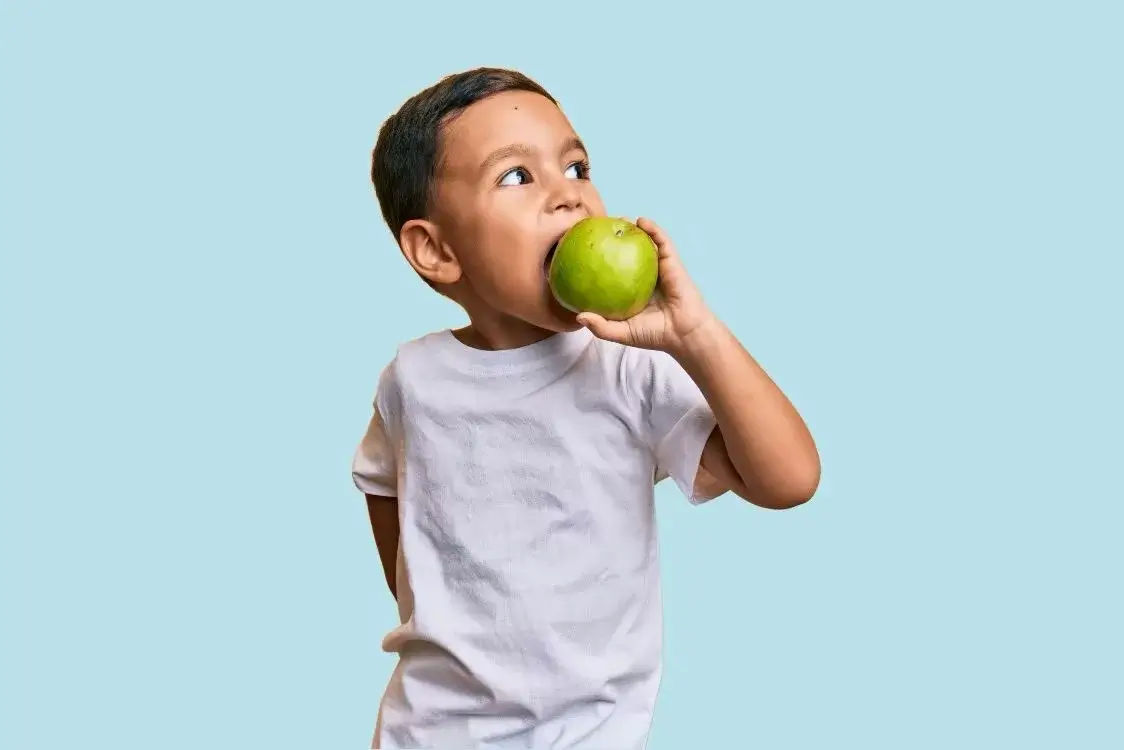
Parents ask us about snacks all the time at our Stonecrest office. Often the question comes up during a consultation, after we've explained how much dental work their child needs. They want to know what went wrong. The answer often starts with what their child eats between meals.
The foods and drinks your child snacks on affect their teeth as much as brushing does. Certain snacks help clean teeth naturally and keep your child's teeth strong over time. Others feed harmful bacteria in the mouth and wear down tooth enamel, leading to cavities that could have been prevented with better snack choices. Understanding how snacking affects your child's dental health is the first step toward a lifetime of healthy teeth and a healthy smile.
Cavities begin with bacteria in the mouth feeding on sugars and starches left behind after eating. Those bacteria produce acid, and the acid attacks tooth enamel a little more with each exposure. According to the American Dental Association, every time your child eats something sugary or starchy, that acid attack lasts about 20 minutes.
Snack once, and saliva normally handles the cleanup. Saliva neutralizes acid, carries minerals back to weakened enamel, and washes away food particles that bacteria feed on. But when a child grazes on crackers, fruit snacks, or juice throughout the day, saliva production can't keep up. The teeth stay under constant attack, and the risk of cavities climbs with every additional snacking session.
This is why both snack choices and snack timing matter. Incorporating tooth-friendly snacks into your child's diet is one of the easiest ways to promote dental health and support dental health between dentist visits.
Some common kids' snacks are the worst offenders when it comes to tooth decay. Sticky, sugary foods cling to teeth and sit in the grooves of molars where toothbrush bristles can't reach.
Fruit snacks and gummy vitamins are two of the main problems we see at our center. Parents think they're making a healthy choice because the package says "made with real fruit." The sugar content tells a different story. These snacks stick to teeth like candy, and the sugary residue feeds harmful bacteria in the mouth for hours, increasing the risk of cavities in baby teeth and permanent teeth alike.
Dried fruit falls into the same group. Raisins, dried cranberries, and dried mango all cling to tooth surfaces and leave behind concentrated sugar. Fresh fruit is a much better option because the water content helps wash away food particles and the fiber stimulates saliva production, which helps clean teeth naturally.
Crackers and chips cause problems too. Starchy snacks break down into sugars in the mouth. A handful of goldfish crackers lodges in the fissures of back teeth and gives bacteria the same fuel that candy does. Even whole grain crackers leave residue if your child doesn't drink water afterward.
Sugary drinks do as much harm as sugary foods. Juice, sports drinks, soda, and flavored milk bathe teeth in sugar with every sip. Even 100% fruit juice has enough natural sugar to increase the risk of cavities when kids sip on it throughout the day. Water is the best drink for oral health, full stop.
The best tooth-friendly snacks for kids have a few traits: they're low in sugar, they don't stick to tooth surfaces, and many of them actually help clean teeth or support strong teeth and bones through the minerals they contain.
Dairy products are some of the best tooth-friendly snacks for children you can serve. Cheese is rich in calcium and phosphorus, two minerals that rebuild and strengthen tooth enamel. Chewing cheese also raises the pH level in the mouth, which slows acid production from bacteria and stimulates saliva production. Plain yogurt (watch for added sugars in flavored varieties) provides calcium and probiotics that support healthy teeth and gums. A cup of milk with a snack rinses residue off teeth better than juice ever will. Try whole grain crackers with cheese for a filling, tooth-friendly snack that kids actually enjoy.
Carrots, celery, cucumber slices, and bell pepper strips work like natural toothbrushes. Their crunchy texture scrubs tooth surfaces while your child chews, and the high water content helps wash away food particles left behind by other foods. Carrots and celery are especially good because they require real chewing, which stimulates saliva production. Your child's saliva is their built-in cavity defense system. Apple slices and pear slices have the same cleaning effect. Pair fresh fruit with a little peanut butter or a cheese stick for protein and healthy fats that keep kids full longer.
Almonds, walnuts, and sunflower seeds pack calcium, phosphorus, and protein into a modest serving. These nutrient-rich snacks require chewing that stimulates saliva, which neutralizes acid, washes away debris, and delivers minerals back to weakened enamel. For younger children who can't safely chew whole nuts, almond butter or peanut butter spread on whole-grain crackers or apple slices works well. Nut butters paired with fresh fruit or vegetables offer protein and healthy fats without added sugars.
Hard-boiled eggs are a tooth-friendly snack parents tend to miss. They provide protein, vitamin D, and phosphorus without leaving residue on teeth. Eggs keep kids full between meals, reducing the urge to graze on sugary snacks throughout the day.
Hummus paired with carrot sticks, celery, or cucumber slices gives children a snack that's low in sugar and high in protein. The vegetables help clean teeth while the hummus provides a healthy dip that satisfies hunger without the added sugars found in many store-bought dips and spreads. It's one of the better healthy options for kids who need something substantial between meals.
Water is the best drink for your child's teeth. Fluoridated tap water strengthens developing enamel while rinsing food particles off teeth throughout the day. If your child eats something sugary, having them drink water immediately afterward limits the damage by diluting acid and washing sugar off tooth surfaces.
Milk is another sound choice because it's rich in calcium and phosphorus, both of which support strong teeth. Avoid chocolate milk or flavored milk as regular drinks because of the added sugars.
Limit juice to mealtimes, and serve it in a standard cup rather than a sippy cup or bottle that lets a child nurse the drink over hours. The American Academy of Pediatrics recommends no more than 4 ounces of juice per day for children ages 1 to 3, and no more than 6 ounces for children ages 4 to 6. These limits exist because even natural fruit sugar contributes to tooth decay when teeth are bathed in it repeatedly.
Frequency matters more than amount for keeping your child's teeth healthy. A child who eats three cookies at once does less dental damage than a child who nibbles one cookie per hour all afternoon. Each time food enters the mouth, it restarts that 20-minute acid cycle. Fewer snacking sessions mean fewer acid attacks on enamel, reducing the risk of cavities over time.
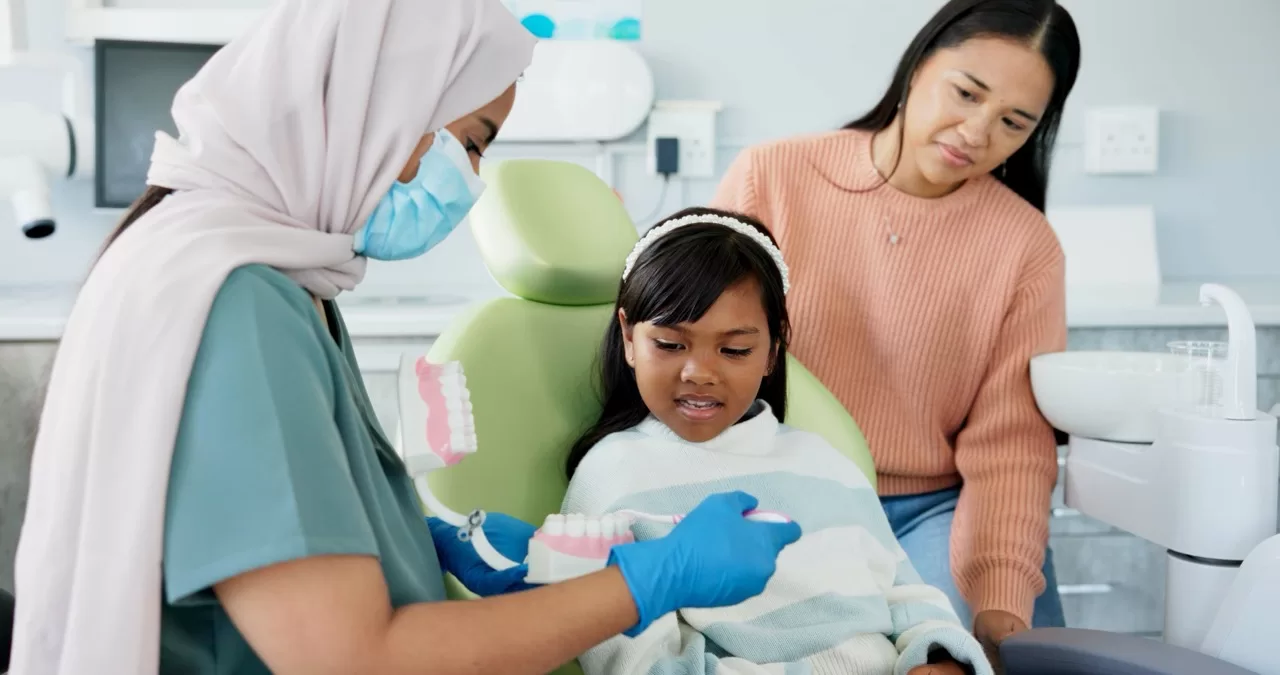
Choose regular snack times instead of letting your child graze all day. Two or three planned snacks between meals gives saliva enough time to neutralize acid and repair enamel between eating sessions. Maintaining healthy teeth depends on these daily habits as much as on whether your children brush their teeth twice a day.
Keep tooth-friendly snack options handy and at kid-height in the fridge and pantry. When carrots, cheese, and fresh fruit are the easy grab, your child reaches for them before reaching for cookies. Eating healthy becomes the default rather than the exception. Healthy choices made every day do more for your child's teeth than any single dental visit.
When a sugary snack is part of the meal, serve it alongside the rest of the food instead of by itself. The added saliva during a full meal does a better job of cleaning teeth than what the mouth produces during a solo snack. Healthy eating habits built early tend to stick. If your child grows up treating fresh fruit, vegetables, and cheese as normal snacks instead of sugary foods and starchy snacks, those healthy choices follow them into adulthood. You can keep your child's teeth strong and healthy by shaping what "normal" looks like at home.
No child eats perfectly. Birthday parties, holidays, grandparents' houses. Sugary snacks are going to happen, and that's okay. The goal isn't zero sugar. The goal is reducing how often your child's teeth sit in acid.
When your child does eat candy or sugary foods, have them drink water afterward. Wait about 30 minutes before brushing. Brushing right after acidic foods can push acid into softened enamel, so that brief wait matters. Rinsing with water after a sugary snack is one of the simplest things a parent can do for their child's dental health.
Sugar-free gum after meals and snacks can help older children too. Chewing gum stimulates saliva production, which washes away food particles and neutralizes acid. Look for gum sweetened with xylitol, a sugar substitute that bacteria in the mouth can't feed on. The ADA has recognized xylitol gum as a useful tool for reducing the risk of cavities.
Sometimes parents do everything right with healthy snacking and brushing routines, and cavities still happen. Young children are especially susceptible because their enamel is thinner and their molars have deeper grooves where bacteria collect. Some kids are more cavity-prone than others regardless of their child's diet.
When decay spreads to multiple teeth, a child may need crowns, fillings, or extractions all at once. For a young child or a child with dental anxiety, sitting through four or five traditional appointments isn't practical. Many kids can't hold still long enough, and the repeated stressful visits make the fear worse.
That's usually when a pediatric dentist refers the family to us. At Pediatric Sedation Centers of GA, Dr. Todd Asarch and our team complete all the needed dental work in a single visit under IV sedation or general anesthesia. A board-certified physician anesthesiologist monitors your child the entire time while our dental team works without interruption. Your child sleeps through the procedure and wakes up with the dental work finished. It's a different experience from the one that made them afraid in the first place.
Prevention through tooth-friendly snacks, good oral health habits, and smart food choices is always the primary goal. Healthy snacking won't prevent every cavity, but it gives your child's teeth strong and healthy enamel that resists decay far better than teeth weakened by constant sugar exposure. When cavities do outpace prevention, sedation lets us restore your child's smile in one visit instead of spreading the stress across months of appointments.
If your child's dentist has recommended substantial treatment, call us at 470-395-2524 or visit our contact page to request a consultation. We accept Georgia Medicaid plans and most PPO insurance. You can learn more about sedation safety or review our sedation FAQs before your visit.
