

Knowing how to prepare your child for dental sedation makes the experience safer and stress-free for everyone. Whether your child needs IV sedation, oral sedation, or general anesthesia for their dental procedure, these pre-op instructions will help your child have a positive dental experience.
At Pediatric Sedation Center of Georgia, we want you to feel confident about your child's upcoming sedation dentistry appointment. Proper preparation protects your child's dental health and ensures the sedation dentistry appointment goes smoothly.
Following these instructions isn't optional—it's essential for your child's comfort and safety. If you have questions or concerns about any step, contact us before your child's visit.
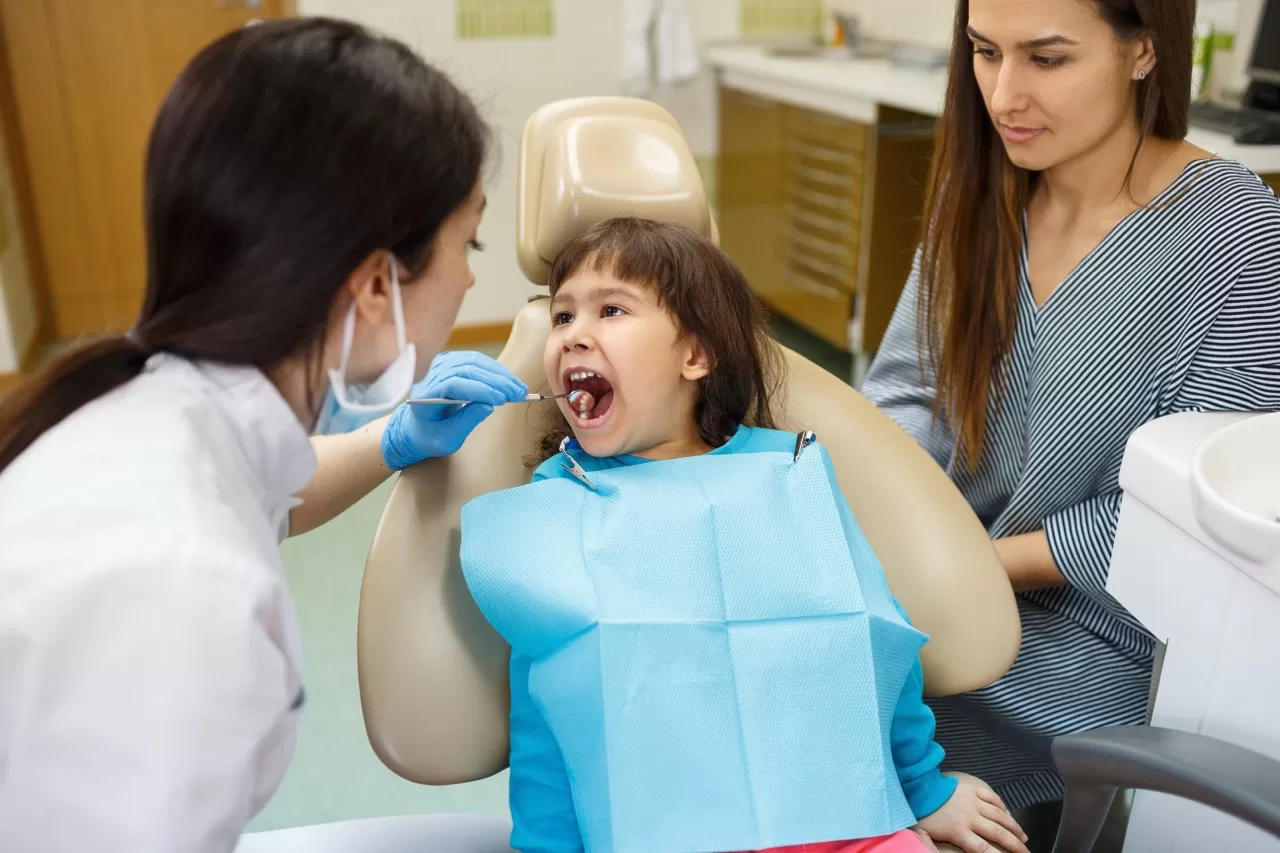
Sedation is recommended when children need sedation due to dental anxiety, extensive dental work, special needs, or very young age. Some children require sedation because they cannot sit still or cooperate for dental treatment. Your pediatric dentist will explain if your child may need sedation for their dental care.
Sedation helps children stay calm and comfortable as possible during dental procedures. It creates a positive experience that protects your child's oral health and relationship with dental care long-term.
The fasting requirement before sedation dentistry isn't arbitrary—it's essential for your child's comfort and safety. When your child receives sedation medicine, the muscles that normally protect the airway relax. If there's food or liquid in the stomach, it can come back up and enter the lungs—a serious complication called aspiration.
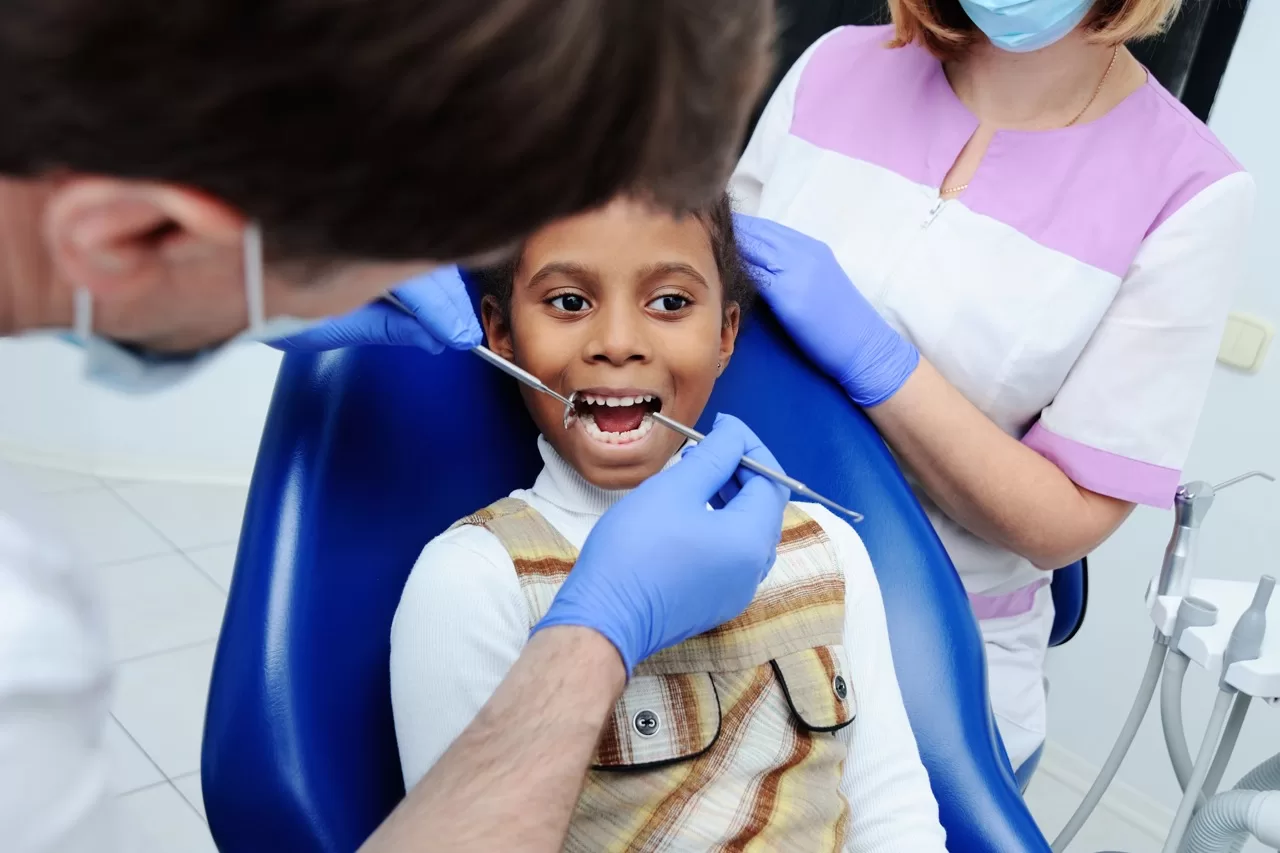
The fast rule is simple: nothing to eat or drink after 11pm the night before.
This fasting period includes avoiding:
Call us immediately at 470-395-2524. We'll need to reschedule the sedation appointment. There are no exceptions to this rule—your child's safety depends on an empty stomach.
Proper preparation with fasting helps sedation dentistry for children go smoothly. Following these fasting instructions keeps your child safe throughout the procedure.
If your child takes daily medication for any condition, tell us during your consultation. Our anesthesiologist will provide specific instructions about whether to give medications on the day of the dental procedure.
Common situations:
Don't make assumptions. Every child is different, and our anesthesiologist needs to know exactly what medications your child takes and when.

Before your child's appointment, it helps to understand what type of sedation your child will receive. Pediatric dentistry uses several forms of sedation depending on the dental work needed and your child's anxiety level:
(laughing gas) provides minimal sedation. The use of nitrous oxide helps ease anxiety—your child breathes through a mask and feels relaxed but stays awake. The effects wear off within minutes. Nitrous oxide is often used for children with mild dental anxiety during routine dental care.
uses sedation medicine given by mouth before the dental procedure. Your child becomes drowsy and calm but child may still be partially aware. Children typically don't remember much of their dental visit afterward.
delivers medication directly into the bloodstream for deeper sedation. Your child falls asleep quickly and wakes with no memory of the dental treatment. This is what we use most often at our pediatric sedation center.
produces complete unconsciousness and is closely monitored by trained professionals throughout the procedure. It's used for extensive dental work or when other forms of sedation aren't appropriate.
Your pediatric dentist will explain which type of sedation is recommended for your child's specific dental needs. Each approach helps your child feel less anxious and allows our dental team to provide dental care safely.
For more about sedation safety, see Is Pediatric Dental Sedation Safe?
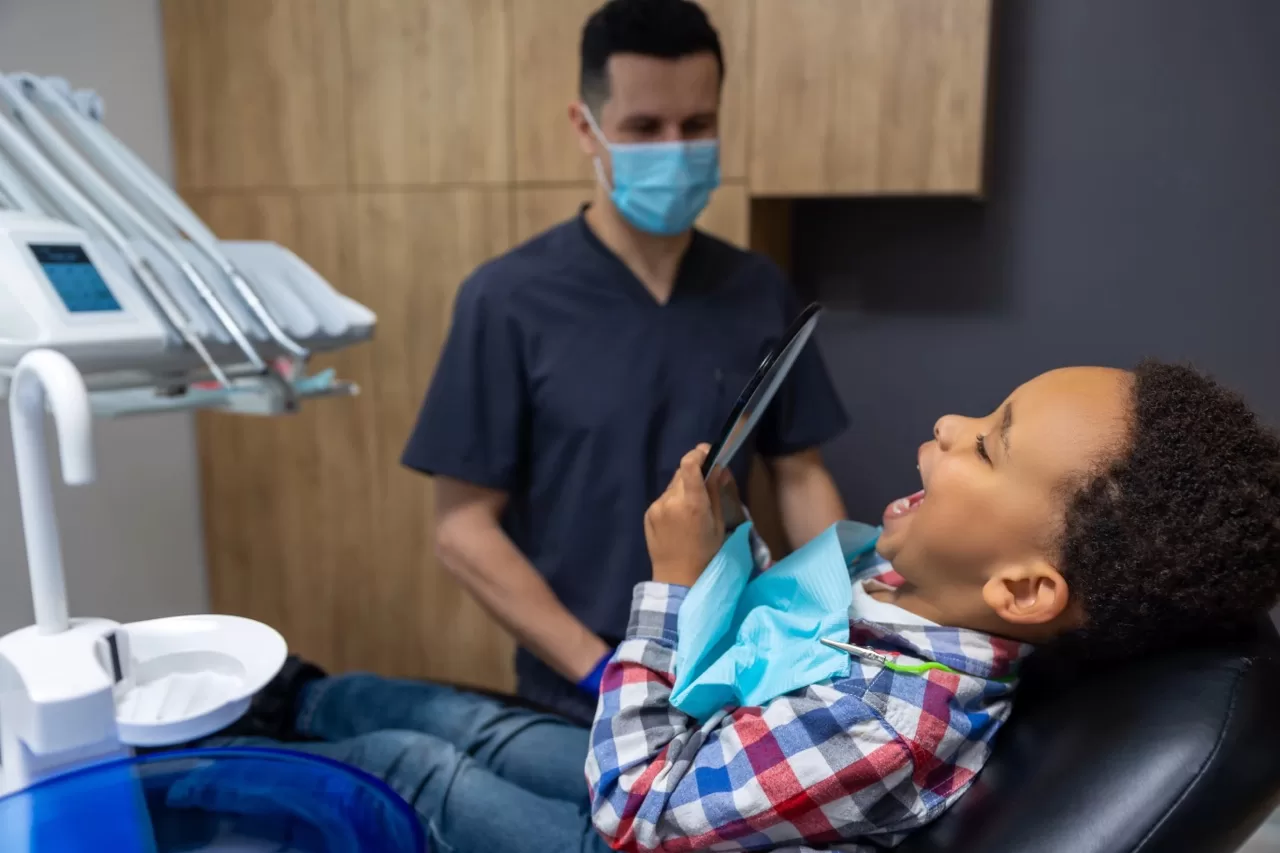
Children often feel less anxious when they know what to expect. Explaining the process in age-appropriate terms can help calm nerves and ease anxiety. How much detail to share depends on your child's age and temperament.
Keep it simple. "The dentist is going to help you take a special nap so they can fix your teeth. When you wake up, it will all be done and we'll go home."
Be honest without overwhelming them. Explain that the sedation medicine will help them sleep, they won't feel anything during the dental work, and they might feel groggy when they wake up. Encourage questions and answer them calmly.
Your calm, matter-of-fact approach helps your child feel more relaxed about their upcoming sedation dentistry appointment. Create a positive atmosphere at home to help your child have a positive dental experience. If you're anxious, try not to show it—children are perceptive.
Parents wait in our dedicated waiting area during the dental procedure—you cannot be present in the sedation suite while dental treatment is happening. We understand this is difficult. You want to be there for your child. But our pediatric dentist and anesthesiologist need to focus entirely on your child without distractions. The sedation environment must remain a calm environment throughout the dental procedure.
Our staff keeps you updated throughout the procedure
The moment your child moves to recovery and starts waking up, you join them immediately
You're never left wondering what's happening
Most parents tell us the waiting was easier than expected because we kept them informed. Your child is closely monitored by trained professionals the entire time. Children stay safe under continuous monitoring.
When your child's dental treatment is complete, you'll join them in recovery. Here's what typically happens as your child recovers:
Immediately after:
The first few hours:
The rest of the day:
The next day: Most children feel completely normal and can return to regular activities, including school. If your child still seems unusually tired or unwell, keep your child home and call us.
Contact us immediately if your child experiences:
We'd rather get a call that turns out to be nothing than have you worry alone. Our team is available to answer questions after your child's sedation appointment.
If anything in these preparation instructions is unclear, or if you have questions or concerns about preparing your child for dental sedation, call us at 470-395-2524. We want you to feel confident and prepared for your child's visit.
Pediatric sedation dentistry helps young patients receive the dental care they need in a safe, comfortable environment. With proper preparation, your child's dental experience can be as stress-free as possible for your whole family.
For general information about our sedation services, visit Pediatric Dental Sedation. For answers to common questions, see our Pediatric Sedation FAQs.
Pediatric Sedation Center of Georgia
8180 Mall Parkway, Suite 810
Stonecrest, GA 30038


