
The Only 5 Star Rated Sedation Center in Atlanta!
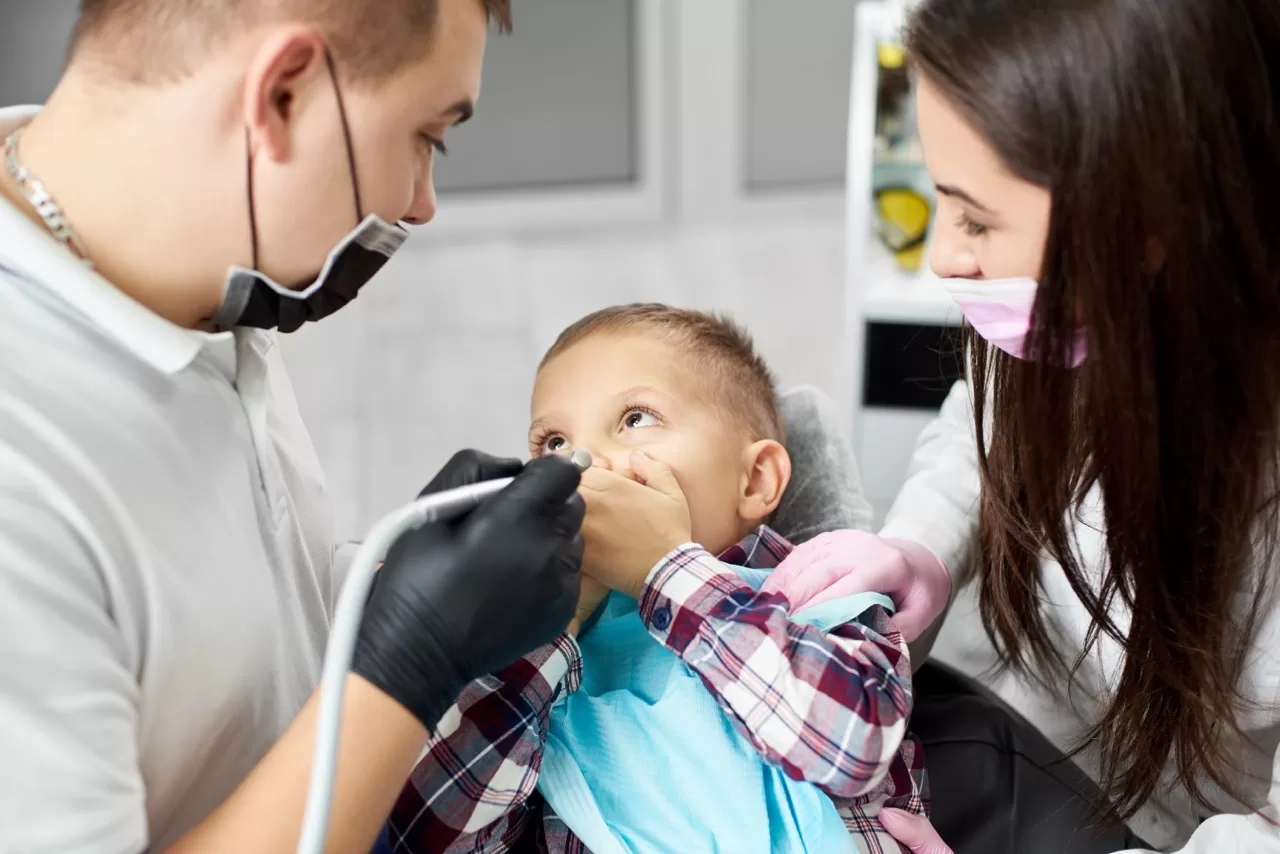
Pediatric dental sedation uses medication to help children remain calm, comfortable, and still during dental procedures. Unlike a typical dental visit where your child sits in the chair awake, sedation allows them to sleep through treatment. Most children have no memory of the procedure afterward.
This approach is used when traditional methods—like nitrous oxide or local anesthesia alone—aren't enough. Some children have severe anxiety that prevents cooperation. Others need extensive work that would require many appointments spread over months. And some are simply too young to understand what's happening or sit still long enough.
Sedation dentistry isn't about convenience. It's about giving children access to dental care they couldn't otherwise receive safely or effectively.
Pediatric dental sedation helps children who:
We provide two levels of sedation based on your child's needs, health history, and the complexity of treatment required.
Intravenous sedation is administered through a small needle in your child's arm or hand. This allows our anesthesiologist to deliver medication directly and adjust the level of sedation throughout the procedure.
Children under IV sedation fall asleep quickly and stay asleep until treatment is complete. They don't feel pain, don't move, and typically wake up with no memory of the appointment.
IV sedation is our most common approach. It's appropriate for most pediatric dental procedures and allows us to complete even extensive treatment in a single visit.
For children with complex medical conditions or those who need the additional safety measures of a hospital environment, we coordinate sedation services at local hospitals.
Hospital sedation involves the same principles—your child sleeps through treatment—but takes place in a facility with additional medical resources immediately available.
We'll discuss which approach is right for your child during your consultation.
This is the question every parent asks. You should ask it.
Pediatric dental sedation is safe when performed by qualified professionals following established protocols. The key word is "when."
Here's what makes sedation safe at our practice:
A board-certified anesthesiologist is present for every procedure. This isn't a dentist who took a weekend course in sedation. Our anesthesiologist completed years of specialized training in administering anesthesia and managing airways, specifically in pediatric patients.
Continuous monitoring throughout. From the moment sedation begins until your child is fully awake, we monitor:
If anything changes, we know immediately and can respond.
We follow guidelines from the American Academy of Pediatrics and American Academy of Pediatric Dentistry. These organizations established strict protocols for pediatric sedation. We don't cut corners.
Emergency equipment and medications are always ready. We prepare for emergencies we hope never happen. Rescue medications, airway management equipment, and emergency protocols are in place before any procedure begins.
We screen every child carefully. Not every child is a candidate for office-based sedation. During your consultation, we review your child's complete medical history. If hospital-based sedation is safer for your child, we'll tell you.
The risks of sedation exist—no medical procedure is risk-free. But the risks of leaving dental disease untreated are often greater. Infections, pain, damage to developing permanent teeth, and the psychological impact of repeated traumatic dental experiences all carry their own consequences. For a deeper look at our monitoring, protocols, and what makes sedation safe, read Is Pediatric Dental Sedation Safe?
Sedation allows us to complete comprehensive dental treatment in a single appointment. While your child sleeps, we can address everything they need.
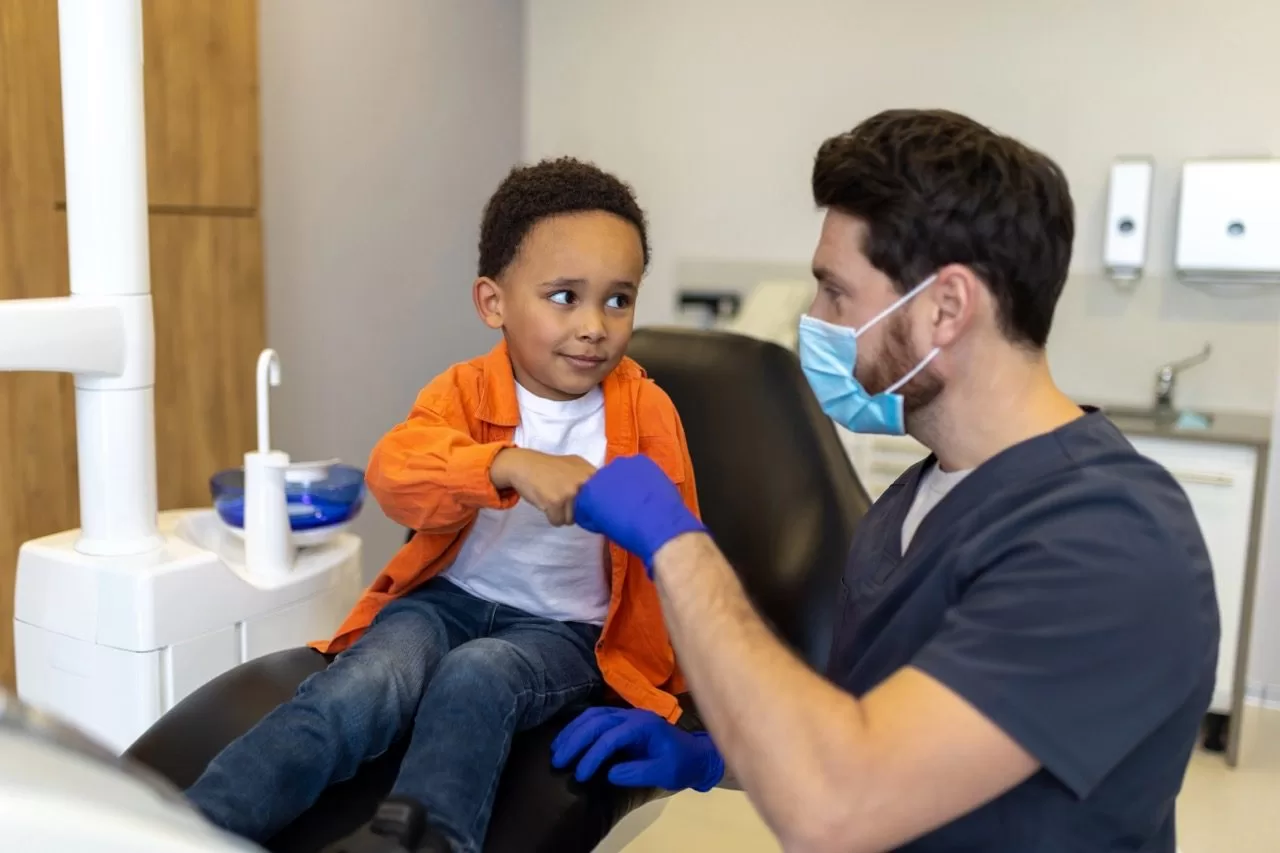
White fillings repair cavities while matching your child's natural tooth color. Stainless steel crowns cover and protect baby teeth with extensive decay. For front teeth, we use tooth-colored crowns (also called strip crowns or resin crowns) that look natural.
Some baby teeth need to be removed—whether due to severe decay, infection, or to make room for permanent teeth. Sedation makes extractions painless and stress-free.
When decay reaches the nerve of a baby tooth, a pulpotomy (partial nerve treatment) or pulpectomy (complete nerve treatment) can save the tooth. These are sometimes called "baby root canals." They preserve teeth that would otherwise need extraction.
If a baby tooth is lost early, a space maintainer holds the spot open for the permanent tooth. We can place these during the same sedation appointment if needed.
Dental sealants protect the chewing surfaces of back teeth from decay. For children who need sedation for other work, we can apply sealants at the same time—preventing future cavities while they're already comfortable.
Many children we see need multiple procedures—fillings, crowns, extractions, and more. Rather than spreading this across 6 or 8 appointments over many months, sedation allows us to complete everything at once.
One appointment. One recovery. Done.
We'll give you specific instructions during your consultation. The most important: nothing to eat or drink after 11pm the night before. This is a safety requirement for sedation.
Dress your child in comfortable, loose-fitting clothes with a short-sleeve shirt underneath. Remove any jewelry or nail polish before arriving.
Bring two adults. One person drives, the other monitors your child on the way home. This is required.
If your child takes daily medication, let us know ahead of time. We'll coordinate with the anesthesiologist about whether to give it the morning of the procedure.
When you arrive, our team will review your child's health history one more time and confirm when they last ate or drank. Your child will spend time in our pre-op area, which has TVs, toys, and a kid-friendly atmosphere designed to help them relax.
Once your child moves to the sedation suite, they'll receive their IV. For safety, parents wait in our dedicated waiting area during the procedure. Our staff provides updates throughout so you know what's happening.
The dental team and anesthesiologist work together while your child sleeps. Every tooth is addressed. Every problem is fixed.
When treatment is complete and your child begins waking up, you'll join them in recovery. Our staff monitors them until they're stable and ready to leave.
We'll deliver your child to your car in a wheelchair. Expect them to be groggy and possibly emotional for the next 2-4 hours. This is normal.
Once home, someone should monitor your child for the rest of the day. We'll provide specific instructions about eating, drinking, and activity restrictions. Our team calls to check on your child later that day or the next morning.
We've earned our 5-star rating one family at a time. Here's what makes us different:
Parents consistently tell us we kept them informed at every step. That's intentional. We know handing your child over for sedation is hard. We make sure you're never left wondering what's happening.
Dr. Todd Asarch and our team have performed thousands of pediatric sedation procedures. We've seen the complex cases, the anxious children, the worried parents. We know what we're doing.
Read our reviews. Parents mention specific staff members by name—Ashley, Felix, Liliana—because our team treats every child like they matter. Because they do.
We maintain active membership in the American Academy of Pediatric Dentistry, American Society of Anesthesiologists, American Dental Association, Georgia Dental Association, and Society for Pediatric Sedation. These organizations set the standards we follow.
Most appointments last 1-3 hours depending on how much treatment is needed. You'll have a specific estimate after your consultation.
No. The combination of sedation and local anesthesia means your child feels nothing during the procedure. Some soreness afterward is normal and manageable with over-the-counter pain relievers.
We welcome children with autism, sensory disorders, and other special needs. Sedation often makes dental care possible for children who couldn't tolerate it otherwise. Let us know about your child's specific needs during scheduling.
We accept all Georgia Medicaid plans and PPO insurance plans. Our team helps verify your benefits before treatment.
If your child has significant dental anxiety, extensive treatment needs, or couldn't complete treatment at another office, sedation may be the right choice. We'll help you decide during your consultation.
Have more questions? Visit our Pediatric Sedation FAQs for detailed answers.
Your child deserves dental care that doesn't traumatize them. If traditional dentistry hasn't worked, sedation can change everything.
Call us at 470-395-2524 or visit our contact page to schedule a consultation. We'll review your child's needs, answer every question, and help you understand whether sedation is right for your family.
Pediatric Sedation Center of Georgia
8180 Mall Parkway, Suite 810
Stonecrest, GA 30038
