

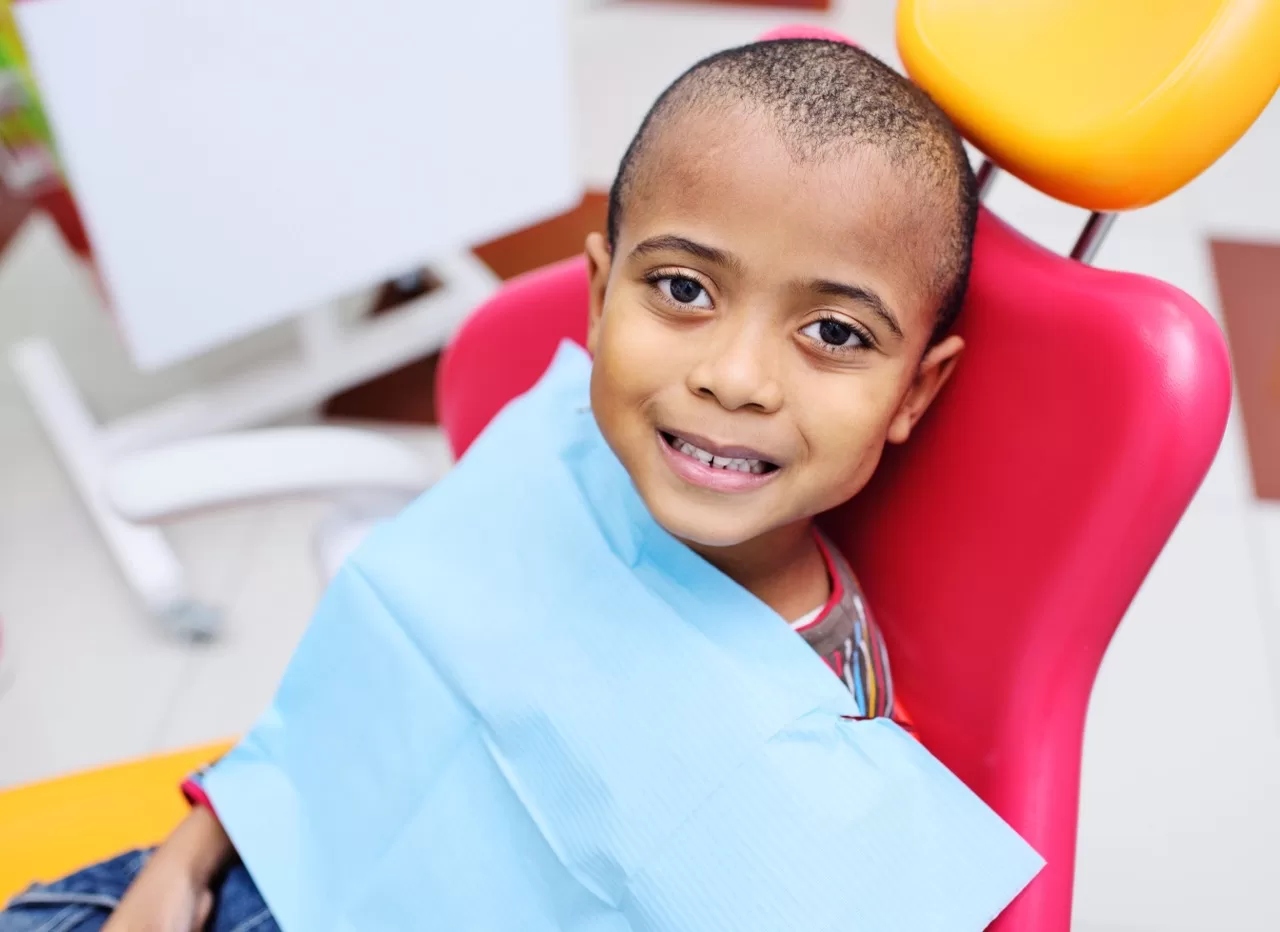
Millions of children undergo dental sedation every year in the United States. The vast majority experience safe, uneventful dental procedures and go home the same day with no complications.
When complications do occur during sedation dentistry, they're almost always related to inadequate monitoring, undertrained staff, or failure to follow established guidelines. The problem isn't sedation itself—it's dental sedation done poorly.
The American Academy of Pediatrics and American Academy of Pediatric Dentistry have established strict guidelines specifically because proper protocols matter. Dental facilities that follow these guidelines have excellent safety records. Those that cut corners are where problems happen.
Sedation dentistry is safe for children when the dental team follows evidence-based protocols, maintains proper monitoring equipment, and has trained personnel ready to respond to any situation.
Being honest about risks is part of informed consent. Here's what can happen during pediatric dental sedation:
Respiratory complications are the most serious concern with any type of sedation. Sedation medications can slow breathing or relax the airway. In rare cases, a child may need assistance breathing during their dental procedure. This is why continuous monitoring and trained personnel are essential—not optional.
Allergic reactions to sedation medications occur occasionally. Before any dental sedation procedure, we review your child's complete medical history and any known allergies. If there's a concern, the anesthesiologist adjusts the medication plan.
Nausea and vomiting can happen as sedation wears off after dental treatment. This is uncomfortable but not dangerous. We provide specific instructions about eating and drinking before sedation to minimize this risk.
Prolonged drowsiness is common and expected after moderate sedation or deep sedation. Your child may be groggy for several hours after the dental procedure. This isn't a complication—it's normal recovery from dental sedation.
Serious adverse events are rare in pediatric dentistry. When they do occur, they're almost always associated with inadequate monitoring, improper patient selection, or dental providers without proper training. This is why choosing the right pediatric dental sedation facility matters enormously.
Safety in pediatric dental sedation comes down to four factors: the right people, the right equipment, the right protocols, and the right patient selection for sedation dentistry.
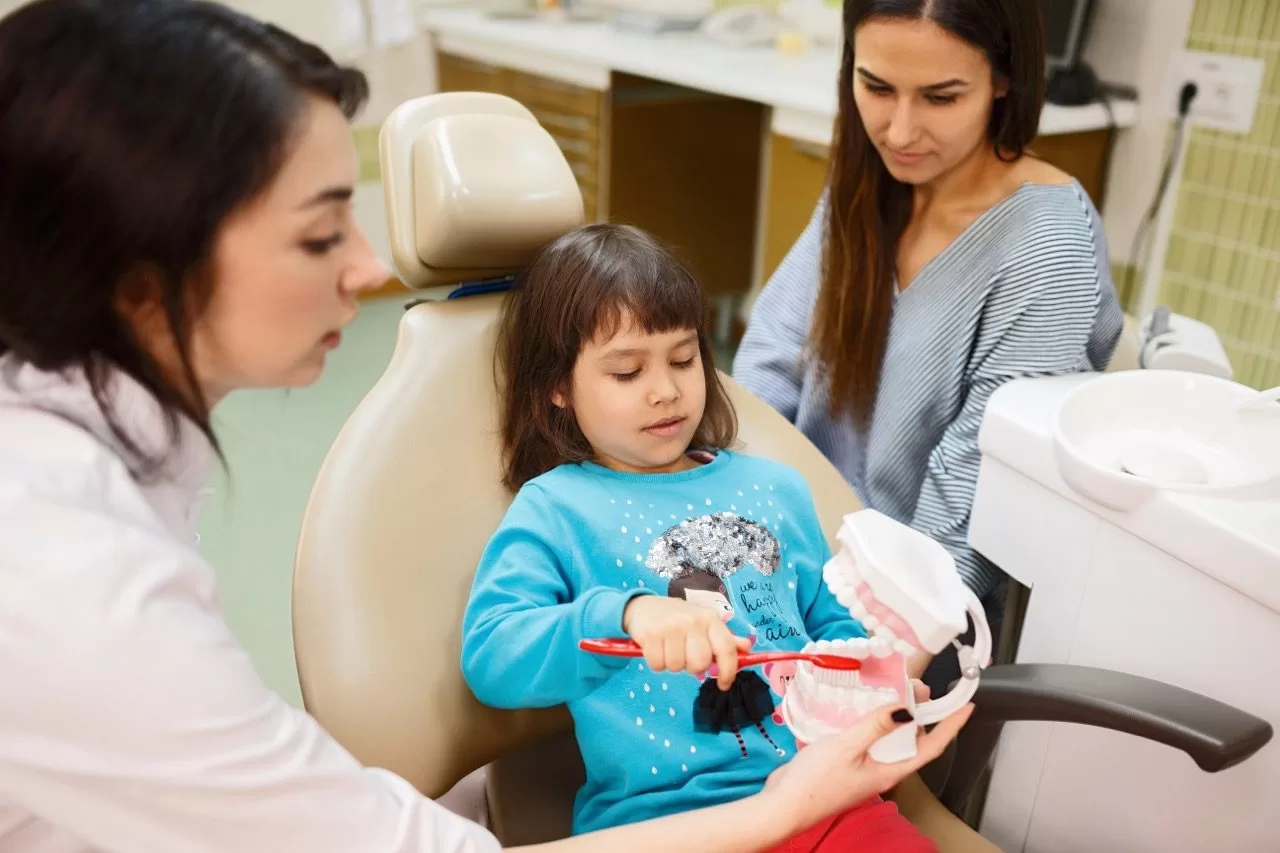
A board-certified anesthesiologist should be present for any deep sedation or general anesthesia procedure in pediatric dentistry. This isn't a dentist who took a weekend sedation course. An anesthesiologist completes four years of specialized training after medical school, focused entirely on anesthesia and airway management for dental procedures and other surgeries.
The American Academy of Pediatrics recommends that at least one person present during pediatric dental sedation should have no other responsibilities except monitoring the child. Their only job is watching your child's vital signs and breathing throughout the dental treatment.
A qualified pediatric dentist works alongside the anesthesiologist, focusing on the dental work while the anesthesia team manages sedation. This division of responsibilities is essential for safe sedation dentistry.
Proper monitoring equipment during pediatric sedation tracks:
This monitoring continues from the moment dental sedation begins until your child is fully awake and stable after their dental procedure. Any change triggers immediate response from the dental team.
Emergency equipment must be immediately available for any pediatric dental sedation: rescue medications, airway management tools, oxygen, and a bag-valve mask for assisted breathing if needed. Hoping you won't need them isn't a safety plan for sedation dentistry.
The American Academy of Pediatric Dentistry and American Academy of Pediatrics publish guidelines for pediatric sedation. These cover everything from pre-procedure fasting to monitoring requirements to emergency response protocols for dental sedation.
Dental facilities that follow these guidelines don't improvise during sedation. They have written policies, regular training, and emergency drills. The dental team knows exactly what to do if something goes wrong—because they've practiced it.
Not every child is a candidate for office-based dental sedation. Children with certain medical conditions, airway abnormalities, or complex health histories may be safer undergoing dental treatment in a hospital setting where additional resources are available.
Proper screening before pediatric dental sedation isn't optional. A thorough health history review identifies children who need modified approaches or different care settings for their dental procedures. Skipping this step is how problems happen in sedation dentistry.
Different levels of sedation carry different considerations for dental treatment:
Nitrous Oxide (laughing gas) is the mildest form of sedation used in pediatric dentistry. Children breathe nitrous oxide through a mask, feel relaxed, and recover within minutes after it's turned off. Nitrous oxide is extremely safe for most children undergoing dental procedures and appropriate for minor dental work with minimal anxiety.
Oral sedation uses medication given by mouth to create moderate sedation and relaxation. Children remain conscious but calm during their dental procedure. Recovery takes longer than nitrous oxide, and the level of sedation is less predictable since absorption varies between patients.
IV sedation delivers medication directly into the bloodstream through an IV line. This allows the anesthesiologist precise control over the sedation—they can adjust the depth of sedation in real time during dental treatment. Children typically sleep through the dental procedure and have no memory of it afterward. IV sedation is common for extensive dental work.
General anesthesia produces complete unconsciousness during dental procedures. It's the deepest level of sedation used in pediatric dentistry and requires the most intensive monitoring by the anesthesiologist. For extensive dental treatment or children who need to be completely still, general anesthesia is often the safest choice because there's no risk of unexpected movement during dental work.
What is the safest form of sedation for children? It depends on the child, the dental procedure, and the facility providing sedation dentistry. Lighter sedation like nitrous oxide isn't automatically safer if it doesn't adequately manage the child's dental anxiety or treatment needs. The safest sedation is the type that matches the situation and is administered by qualified dental professionals.
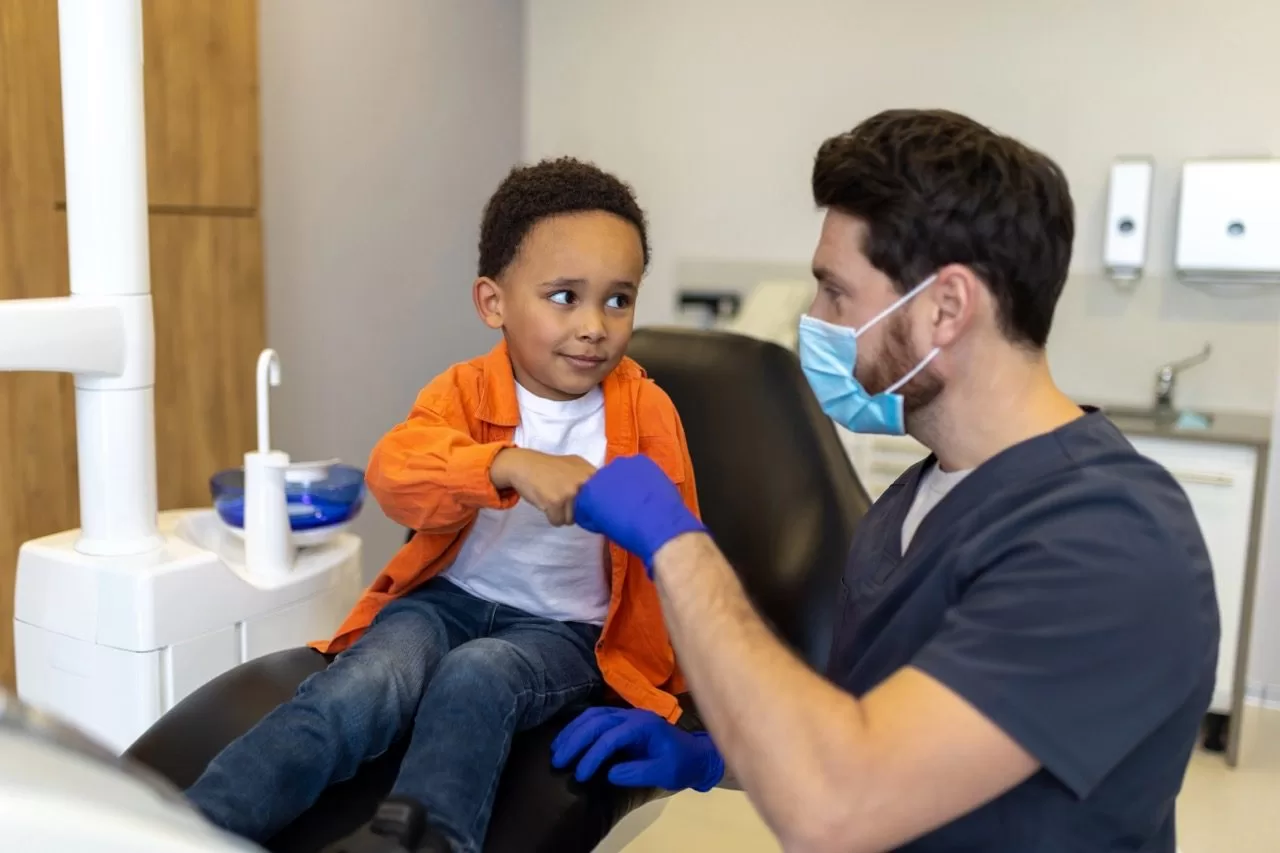
At Pediatric Sedation Center of Georgia, we don't meet minimum standards for pediatric dental sedation—we exceed them.
A board-certified anesthesiologist is present for every sedation procedure. Not supervising from another room. Present, in the room, focused on your child's safety throughout their dental treatment.
We follow AAP and AAPD guidelines completely. Our protocols, monitoring, staffing, and emergency preparedness align with national standards set by the American Academy of Pediatrics and American Academy of Pediatric Dentistry for pediatric sedation.
Continuous monitoring from start to finish. Heart rate, blood pressure, oxygen levels, CO2, temperature, and breathing are tracked every moment of dental sedation. Our dental team watches the monitors constantly—this is their primary responsibility during your child's dental procedure.
Thorough pre-procedure screening. We review your child's complete health history before scheduling dental sedation. If we have any concerns about sedation dentistry being appropriate, we discuss alternatives or recommend a hospital setting for dental treatment.
Emergency preparedness for pediatric sedation. Rescue medications, airway equipment, and emergency protocols are ready before any dental sedation begins. Our dental team trains regularly on emergency response.
Communication with parents during dental procedures. We keep you updated throughout the sedation. You'll never be left wondering what's happening with your child during their dental treatment.
If you're considering sedation dentistry for your child—whether at our facility or elsewhere—ask these questions:
At minimum: pulse oximetry, blood pressure, and capnography (CO2 monitoring) throughout the dental procedure.
At least one person should be dedicated solely to monitoring during dental treatment.
Oxygen, airway management tools, and rescue medications should be immediately accessible for any dental sedation.
Ask about certifications, continuing education, and emergency drill frequency for sedation dentistry.
The answer should be an unequivocal yes.
If any dental provider seems evasive about these questions or dismisses your concerns about sedation safety, that's valuable information about their approach to pediatric dentistry.
Normal recovery from pediatric dental sedation looks like this:
Call us if you notice after dental sedation:
These complications are rare after pediatric dental sedation, but we want you to know what warrants a call to our dental team.
Most children feel completely normal by the next day after dental sedation. Some are back to their usual selves within hours of their dental procedure.
Sedation dentistry has helped millions of children receive dental care they couldn't otherwise tolerate. When done correctly—with proper training, monitoring, protocols, and patient selection—pediatric dental sedation is a safe and effective option for children who struggle with dental anxiety or need extensive dental work.
The question isn't whether dental sedation can be safe for kids. It's whether the specific facility and dental team you're considering do sedation dentistry safely. At Pediatric Sedation Center of Georgia, we've built our pediatric dentistry practice around the answer being yes.
If you have questions about pediatric dental sedation safety or want to discuss whether sedation is right for your child's dental care, call us at 470-395-2524. We're happy to answer every question you have—because parents who ask questions about sedation dentistry are parents who get the best dental treatment for their children.
Pediatric Sedation Center of Georgia
8180 Mall Parkway, Suite 810
Stonecrest, GA 30038
