Sedation Center vs Regular Dentist - What Parents Need to Know

Your pediatric dentist is good at what they do. They handle cleanings, small fillings, and basic exams with skill and patience. Many of them also offer nitrous oxide (laughing gas) or oral sedation to help anxious kids get through treatment. For most children, that level of dental care works well.
But some kids need more.
Maybe your child tried nitrous oxide at the dental office and still couldn't hold still. Maybe oral conscious sedation wore off too fast, or your child has a medical condition that makes lighter sedation risky. Maybe your pediatric dentist looked at the amount of dental work your child needs and said, "I think you should see a sedation specialist."
That referral isn't a failure. It's your dentist recognizing that your child's situation calls for a deeper level of sedation, a different type of monitoring, and a facility built specifically for that purpose.
Here's what actually changes when you move from a regular dental office to a dedicated sedation center like the Pediatric Sedation Center of Georgia in Stonecrest.
What a Regular Dental Office Offers for Sedation
Most pediatric dentists can provide two sedation types: nitrous oxide and oral sedation. Both are considered moderate sedation methods, and both have a solid track record for children with dental anxiety.
Nitrous oxide is a gas delivered through a small mask over the child's nose. It takes effect within a few minutes, creates a relaxed and slightly giddy feeling, and wears off almost immediately after the mask is removed. The child stays fully awake and responsive throughout the dental procedure. It's the lightest sedation available in a dentist's office.
Oral conscious sedation involves giving the child a sedative medication by mouth before treatment. The child becomes drowsy and relaxed but remains conscious. The dentist or oral surgeon performing the dental work also monitors the sedation level, which means the same person is doing two jobs at once.
For a child who sits reasonably still, who needs one or two fillings, and whose dental anxiety responds to reassurance and mild sedation, a regular dental visit with nitrous or oral sedation is often enough.
Where Regular Dental Sedation Falls Short
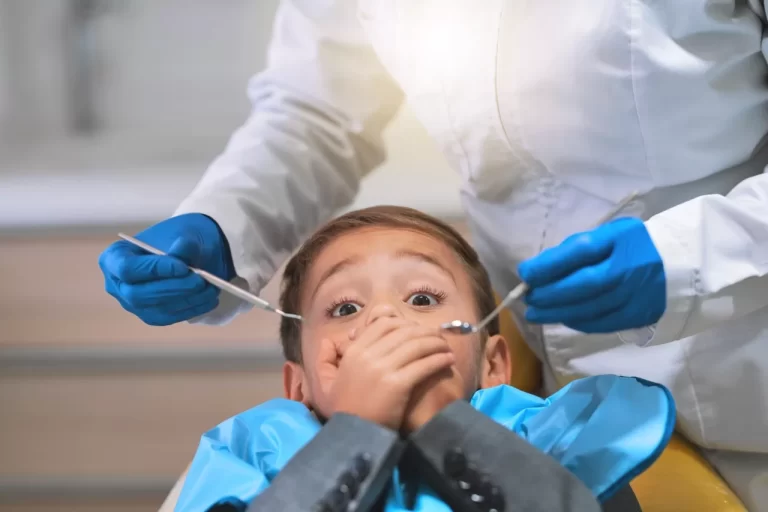
The challenge comes when lighter sedation doesn't hold. Some children with severe dental anxiety fight through oral sedation. Kids with sensory processing issues, autism spectrum disorder, or other developmental disabilities may not tolerate any stimulation from dental instruments regardless of how relaxed the sedative makes them feel.
And then there's the scope of treatment. If your child needs six crowns, four extractions, and a pulpotomy, that amount of dental work can't be done in the 30-to-45-minute window that oral sedation provides. The result is multiple appointments, each one a separate stressful dental experience for both the child and the family.
There's also the monitoring question. During oral conscious sedation in a dental office, the dentist is watching your child's sedation level while also performing dental procedures. The American Academy of Pediatrics and the American Academy of Pediatric Dentistry published updated guidelines in 2019 specifically addressing this concern: when providing deep sedation or general anesthesia to children, a separate, trained anesthesia professional should be dedicated solely to monitoring the child. That person should not be the one performing the dental treatment.
How a Dedicated Pediatric Sedation Center Is Different
A pediatric sedation center like ours in Stonecrest, Georgia exists for one reason: to provide IV sedation and general anesthesia for dental procedures in a facility designed around that purpose. This is not a dental office that also does sedation. It is a sedation center that does dentistry.
The difference shows up in several practical ways.
A board-certified anesthesiologist manages sedation on every case. At the Pediatric Sedation Center of Georgia, a board-certified anesthesiologist handles all sedation while Dr. Todd Asarch and the dental team perform the treatment. The anesthesiologist monitors your child's airway, breathing, heart rate, blood pressure, and oxygen levels continuously while the dental team works. This follows the AAP and AAPD guideline recommendation for deep sedation and general anesthesia in pediatric dental patients.
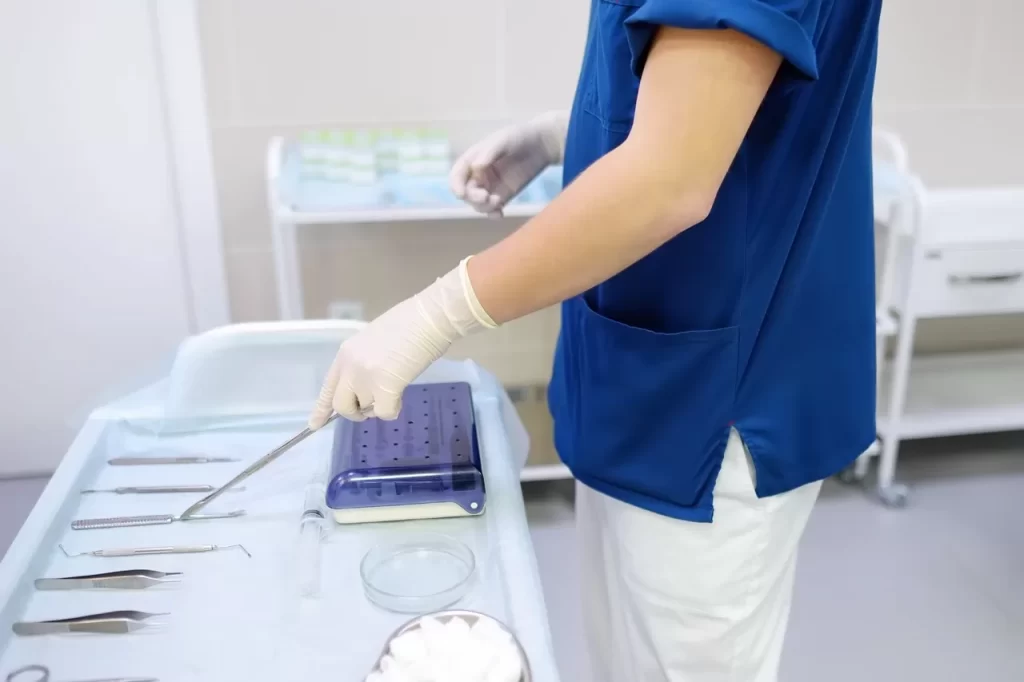
The facility is built for sedation. Our center at 8180 Mall Parkway, Suite 810 in Stonecrest has the same monitoring equipment and emergency protocols you'd find in a hospital surgical center, but in an outpatient setting designed specifically for children. Continuous capnography, pulse oximetry, cardiac monitoring, and IV access are standard on every case. This isn't sedation available as a side offering. It's what our entire center does.
All dental work gets done in a single visit. Because IV sedation and general anesthesia allow for deeper sedation that lasts as long as needed, we complete all of your child's dental treatment in one appointment. Crowns, fillings, extractions, pulpotomy, pulpectomy, space maintainers, sealants: everything happens while your child sleeps comfortably. No repeat visits. No accumulating dental trauma from multiple stressful appointments.
When Your Pediatric Dentist Refers to a Sedation Center
Dentists refer patients to sedation centers for specific reasons, not because they lack skill, but because the child's needs have exceeded what a regular dental office can safely provide. Common referral situations include:
Children who have failed lighter sedation. If your child has had nitrous oxide or oral sedation before and it didn't work well enough to complete treatment, that's a strong sign that deeper sedation with IV sedation or general anesthesia is the right sedation method.
Children with extensive dental needs. A child facing eight or more dental procedures benefits from having everything done under one sedation session rather than spreading it across four or five dental visits.
Children with medical complexity. Kids with cardiac conditions, respiratory issues, seizure disorders, or developmental disabilities may require anesthesia professionals with specialized training in pediatric sedation, not a dentist managing sedation while also doing dental work.
Very young children. Toddlers and preschoolers who need dental treatment beyond what can be managed with behavioral techniques often need deep sedation or general anesthesia for their child's dental procedure because they cannot understand instructions to hold still and open wide.
What Sedation Dentistry Looks Like at Our Center
Parents often ask what to expect when they bring their child to the Pediatric Sedation Center of Georgia, especially if going to the dentist has already been a difficult dental experience.
Before the appointment, you'll have a consultation where our dental team reviews your child's medical history, current medications, and the dental treatment plan. We discuss which sedation type is best for your child's age, oral health, and the dental procedures needed. We also give you specific instructions about fasting and preparation.
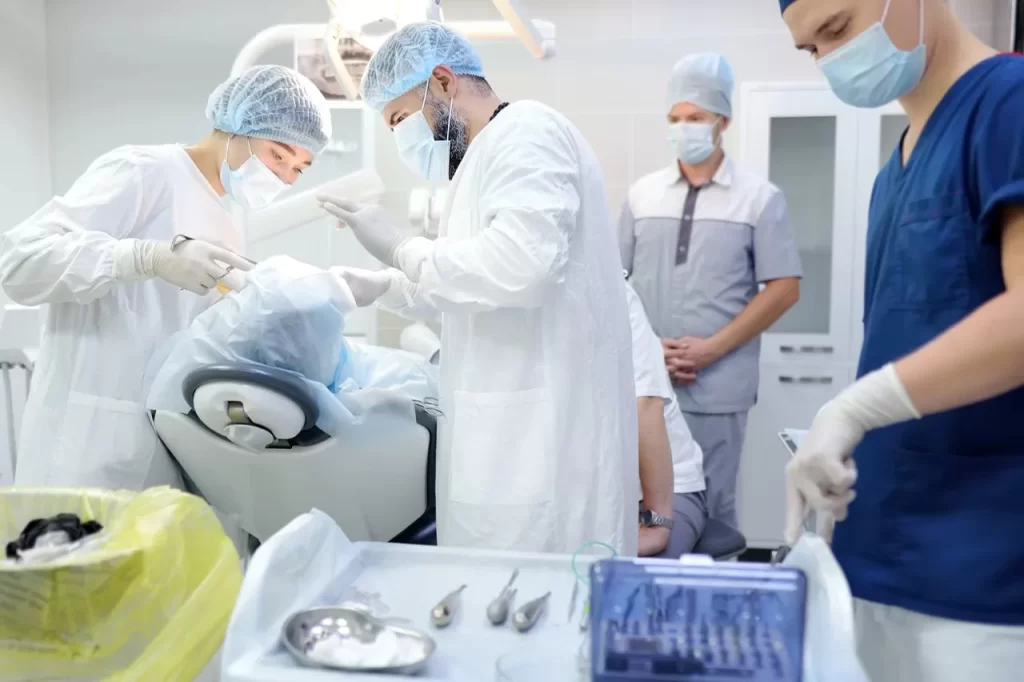
On the day of treatment, the anesthesiologist starts an IV line and administers intravenous sedation or general anesthesia. Your child falls asleep within seconds. The anesthesiologist monitors vital signs on dedicated screens throughout the entire procedure while the dental team works.
When the dental work is complete, the anesthesiologist brings your child out of sedation gradually. Most children wake up groggy but comfortable. Recovery takes about 30 to 45 minutes in our facility. Some kids bounce back quickly. Others stay drowsy for a few hours after getting home, and some may be irritable or mildly nauseous as the sedative wears off. We send you home with detailed aftercare instructions and our direct phone number (470-395-2524) in case anything concerns you.
Is Pediatric Dental Sedation Safe?
Safety is the reason dedicated sedation centers exist in the first place. The American Academy of Pediatrics, the American Dental Association, and the AAPD have all published guidelines emphasizing that when children receive deep sedation or general anesthesia for dental treatment, qualified professionals in anesthesia should be present whose only job is monitoring the child.
At our center, we follow those guidelines on every case. Our anesthesia professionals manage sedation and monitor your child. Dr. Asarch and the dental team handle the dental care. Those roles never overlap.
That said, no sedation or anesthesia method is without risk. General anesthesia and IV sedation carry small but real risks, including nausea, extended drowsiness, and rare complications related to airway management. We discuss these risks with every family before treatment, and our protocols are designed to catch and respond to problems within seconds, not minutes. For a detailed look at how we keep children safe during sedation, visit our page on pediatric dental sedation safety.
Sedation Center vs Dentist Office - A Quick Comparison
A regular dental office typically offers nitrous oxide and oral sedation, with the treating dentist monitoring sedation during the procedure. Dental treatment is usually split across multiple visits, and the office is designed primarily for regular dental care with sedation options available as an additional service. The sedation dentistry services at a regular dentist work well for children with mild to moderate dental phobia.
A dedicated sedation center like the Pediatric Sedation Center of Georgia offers IV sedation and general anesthesia, with a board-certified dental anesthesiologist managing sedation separately from the treating dentist. All dental work is completed in a single visit, and the facility is specifically designed and equipped for providing deep sedation and general anesthesia to children with dental anxiety, disabilities, or complex treatment needs. Sedation dentistry offers a relaxing dental experience when you need the right sedation at a deeper level than a regular dental office provides.
Neither option is universally better. The right choice depends on your child's specific needs, the extent of their dental work, and how they respond to lighter sedation options.
Questions Parents Ask About Sedation Centers vs Dentist Offices
Will my child feel pain with IV sedation? No. Under IV sedation or general anesthesia, your child is fully asleep and cannot feel pain during the dental procedure. The dental team also administers local anesthesia so your child remains comfortable as the sedation wears off.
Does IV sedation put you to sleep? With the level of sedation used at our center, yes. Your child will be fully asleep, not in the "twilight" state that some dental offices describe. This is closer to what you'd see at a hospital for oral surgery.
Can a regular dentist provide IV sedation, or do I need a specialized sedation center? Some dentists and oral surgeons do offer intravenous sedation in their office, but the AAP and AAPD guidelines recommend that a dedicated anesthesia professional manage the sedation separately from the dentist performing the dental procedure. A dedicated sedation center is designed around this model of care.
How long does recovery take? Most children are ready to leave our center within 30 to 45 minutes after the procedure ends. Full recovery, including mild grogginess and possible nausea, typically takes the rest of the day.
Do I need a referral from my dentist? A referral is not required. Many families come to us because their pediatric dentist recommended it, but you can also contact us directly at 470-395-2524 to schedule a consultation about sedation and anesthesia options for your child's dental needs.
Finding the Right Sedation for Your Child's Dental Needs
If your child's pediatric dentist has suggested a sedation center, or if previous dental visits with lighter sedation didn't go well, the Pediatric Sedation Center of Georgia may be the right fit. We work with referring dentists across the Atlanta area who trust us with their patients specifically because we focus on one thing: safe pediatric sedation for children with severe dental anxiety, developmental disabilities, extensive dental needs, or a history of failed moderate sedation at a regular dental office.
We're the only 5-star rated sedation center in Atlanta, and our team includes members of the AAPD, ASA, ADA, and Georgia Dental Association. To learn more about our pediatric dental sedation services, IV sedation for children, or sedation for children with dental anxiety, explore those pages or call us at 470-395-2524 to schedule a consultation.
For answers to common questions, visit our pediatric sedation FAQ page.