

Some children can't get through dental treatment in a regular chair, even with a gentle, patient dentist. The decay may be widespread, the child may be very young, or a medical or developmental condition may make an ordinary visit unsafe. For these children, hospital dental sedation lets a pediatric dentist complete the work while the child is fully asleep under the care of a physician anesthesiologist.
At Pediatric Sedation Center of Georgia, hospital sedation is the option we turn to for the most complex situations. Dr. Todd Asarch handles the dentistry. A separate physician (MD) anesthesiologist handles the sedation and watches your child the entire time. Everything your child needs gets done in one visit. It is the deepest level of pediatric dental sedation we provide.

Hospital dentistry describes dental treatment done in a hospital or surgical setting while a child is under general anesthesia. It isn't a different kind of dental work. Your child still gets fillings, crowns, extractions, or whatever the teeth require. The difference is the setting and the level of medical support around the child while it happens.
In a typical pediatric dental office, a child has to sit still, open wide, and cooperate. That works for a checkup or a small filling. It doesn't work for a two-year-old with eight cavities, or for a child whose autism makes the lights and sounds of a dental visit overwhelming. Hospital sedation removes the need to cooperate at all. The child sleeps, and the dentist works.
Hospital sedation isn't the first choice for most children. We consider it when an office visit, and even in-office sedation, isn't the right fit. A few situations come up most often:
If your child has significant medical conditions, a hospital setting gives the anesthesiologist more support to manage care. Many other children do well with our in-office IV sedation for children, and we'll tell you honestly which setting fits. Families of children with special health care needs often find this is the calmest way to get treatment done.
General anesthesia means your child is completely asleep and unaware during the dental procedure, not just relaxed. Your child won't feel the work, hear the instruments, or remember it afterward. This is deep sedation managed from start to finish by a medical doctor.
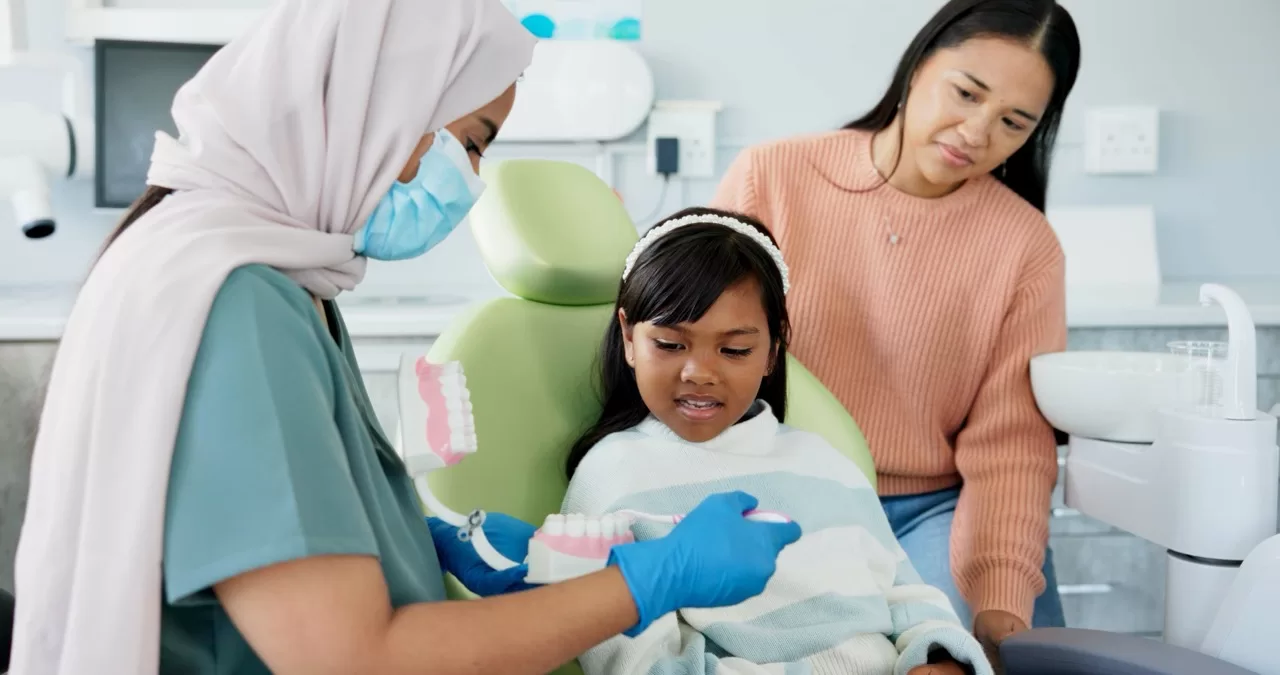
At PSC, sedation is always managed by a physician anesthesiologist, an MD who completed residency training in anesthesia. Our anesthesia team includes Dr. Campbell, Dr. Plavin, and Dr. Grandhi. The anesthesiologist reviews your child's health history first, plans the sedation around your child, and stays focused on your child from the moment they fall asleep until they wake up. Anesthesia for children, sometimes called pediatric anesthesia, is its own medical field, and the physicians who practice it complete years of training after medical school, with many holding board certification in anesthesiology.
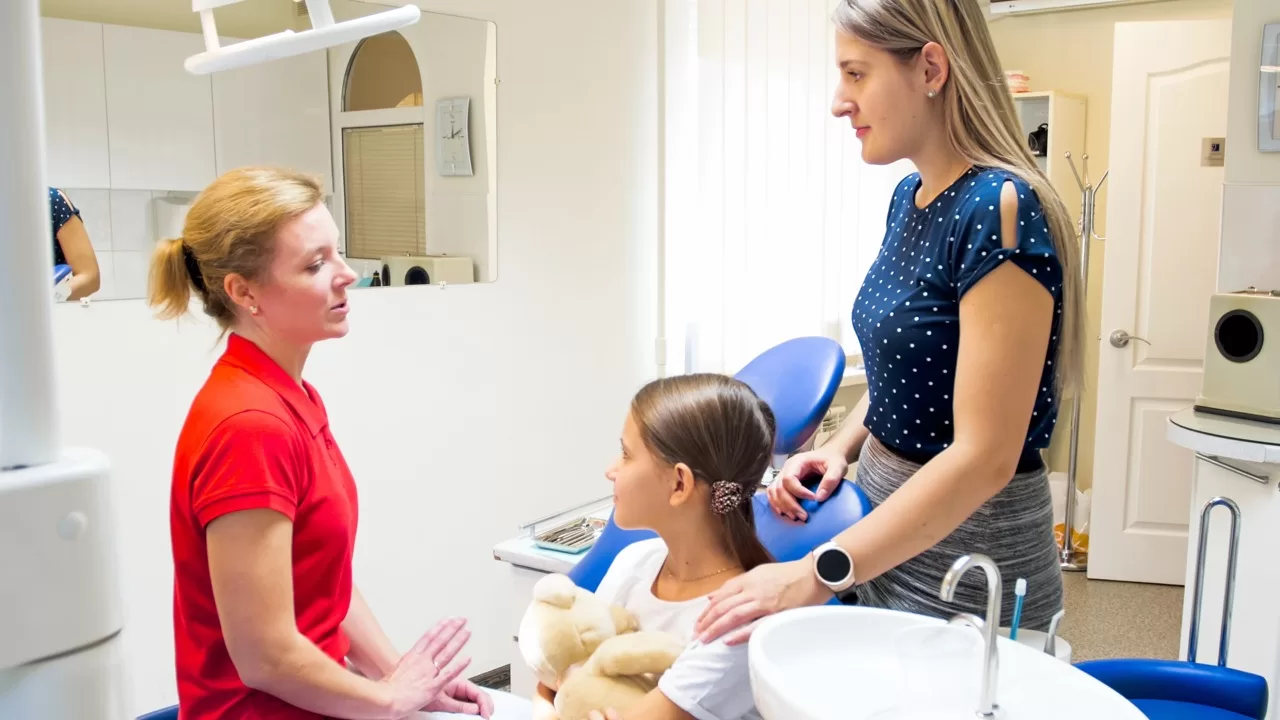
Parents ask about safety first, and they should. Here is the honest picture. Sedation and general anesthesia for dental care are used for children every day across the country, and the way PSC is set up keeps your child closely watched throughout.
The most important safeguard is having a dedicated physician anesthesiologist whose only responsibility is your child's sedation. In some settings the dentist both does the dental work and oversees the sedation. At PSC those are two separate people. Dr. Todd concentrates on the teeth. The anesthesiologist concentrates on your child, watching breathing and vital signs the whole time.
No one can promise that any procedure carries zero risk, and we won't pretend otherwise. What we can tell you is that your child's health history is reviewed beforehand, the sedation is planned for your child, and a physician trained in anesthesia stays at your child's side for the entire visit. If you want to read more about how we think about this, see our page on whether pediatric dental sedation is safe.
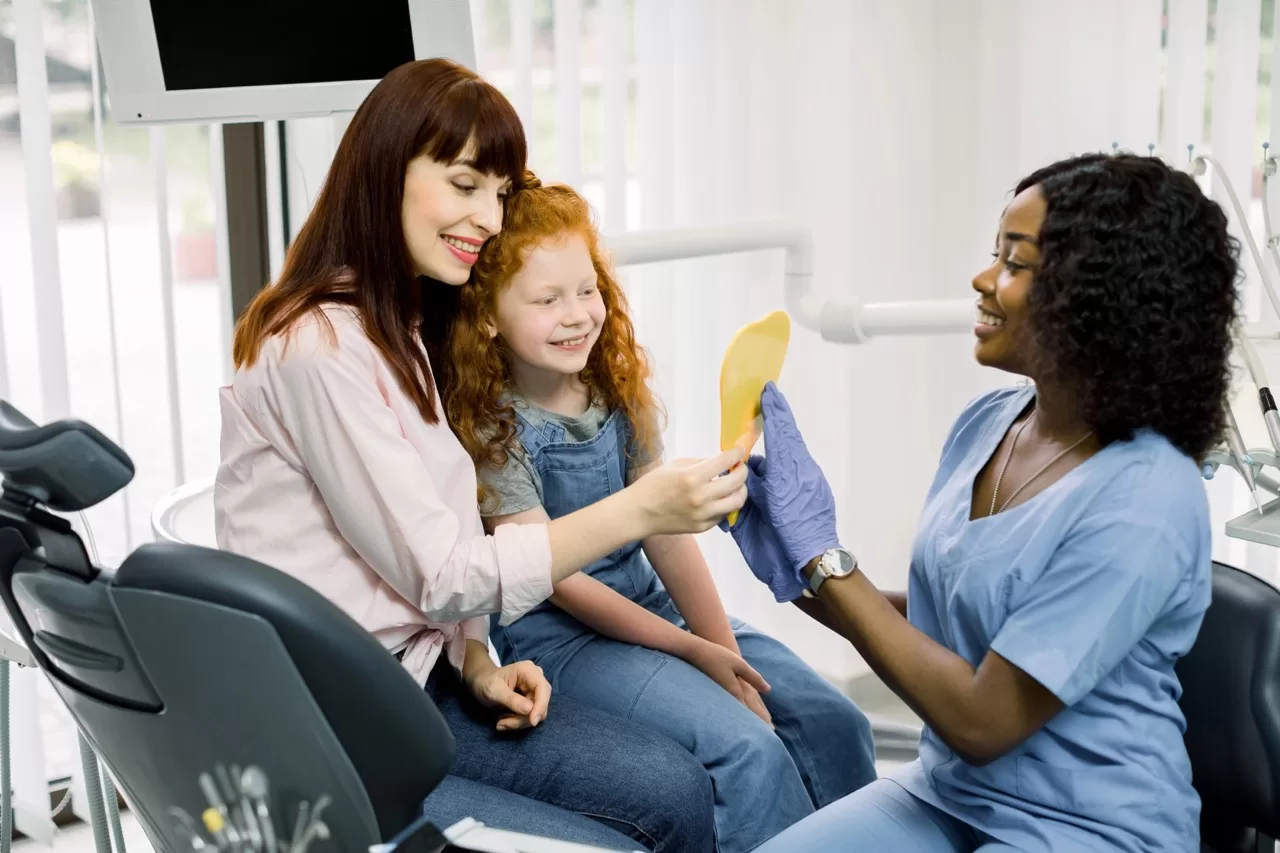
Before the visit, you'll get instructions about eating and drinking, and the anesthesiologist will go over your child's medical history with you. Following the eating and drinking instructions matters for safety, so call us if anything is unclear.
During the visit, you'll hand your child to the team, and the anesthesiologist will get your child comfortably to sleep. Dr. Todd then completes all the planned dental work in one sitting, which is the real advantage of this approach. Instead of three or four separate appointments, the fillings, crowns, extractions, and any other treatment happen together in a single visit. Some families think of this as dental surgery done all at once, and that is a fair way to picture it.
Afterward, your child wakes up in a recovery area with the team nearby, and you'll be brought back to be with them. Most children are groggy and a little out of sorts for the rest of the day. Some are wobbly on their feet or fussy as the sedation wears off, and that is normal. Recovery time varies from child to child, so we won't put a stopwatch on it. We'll send you home with clear aftercare instructions and a number to reach us, and the team won't send your child home until they're ready.
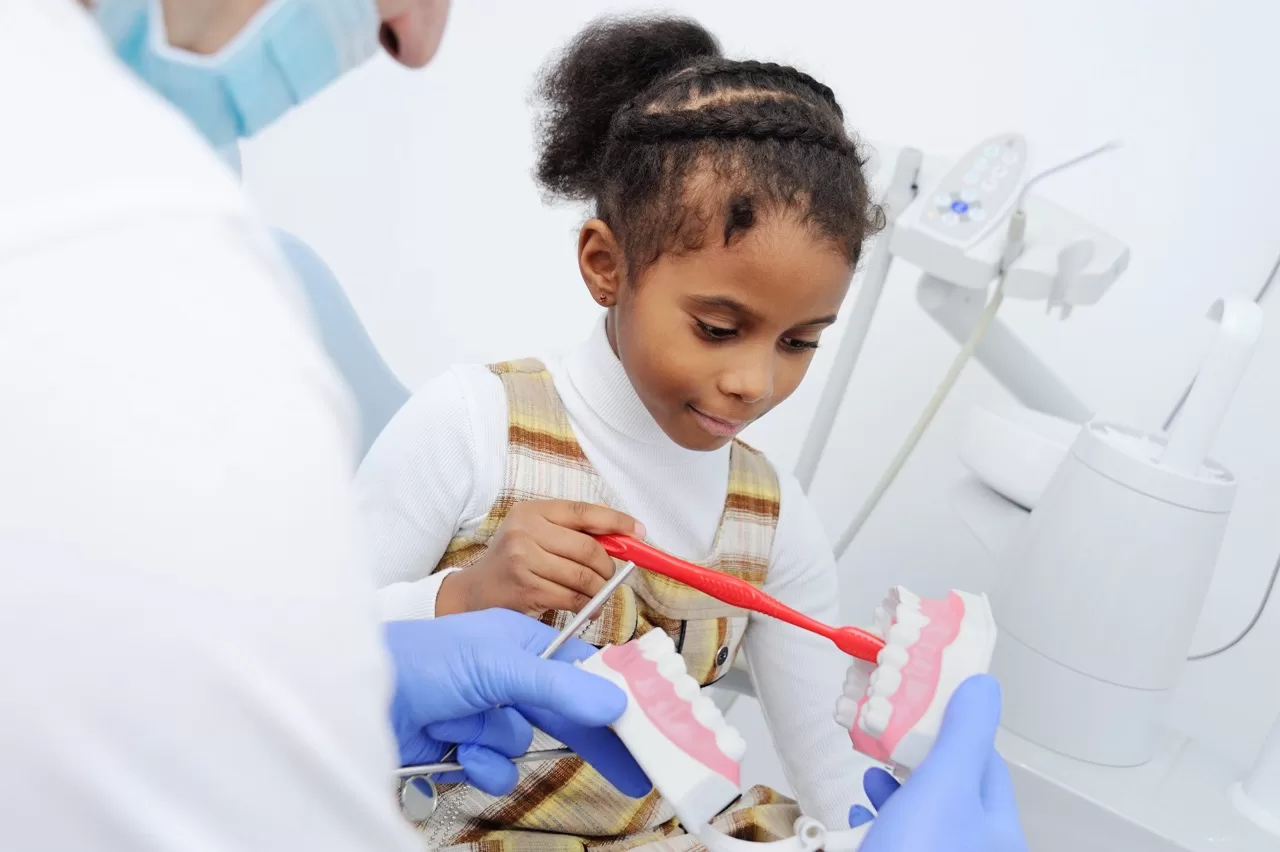
PSC is a sedation center built specifically for children who need this kind of care. We are the only 5-star rated sedation center in Atlanta, with more than 353 Google reviews, and families come to us from across the metro area for one reason: complex dental work handled safely, in one visit, by a pediatric dentist and a physician anesthesiologist working side by side. This is sedation dentistry focused entirely on children.
If a dentist has told you your child needs extensive dental work, or that treatment should happen in a hospital or surgical setting, we can help you understand the options. Call us at 470-395-2524 or request a consultation, and we'll walk you through whether hospital sedation or our in-office option is the better fit for your child.
