Why One-Visit Dental Treatment Matters for Kids

Your child's dentist says they need six fillings, two crowns, and an extraction. Under the traditional model, that means four or five separate appointments spread over two to three months. Every visit is a new fight. Every visit risks the child refusing to cooperate halfway through. And every gap between appointments gives tooth decay more time to spread.
There is another way. At the Pediatric Sedation Center of Georgia in Stonecrest, Dr. Todd Asarch and our pediatric dental team complete all of a child's dental work in a single appointment under IV sedation or general anesthesia. One visit. One recovery day. Done.
The Problem with Piecemeal Dental Care for Children
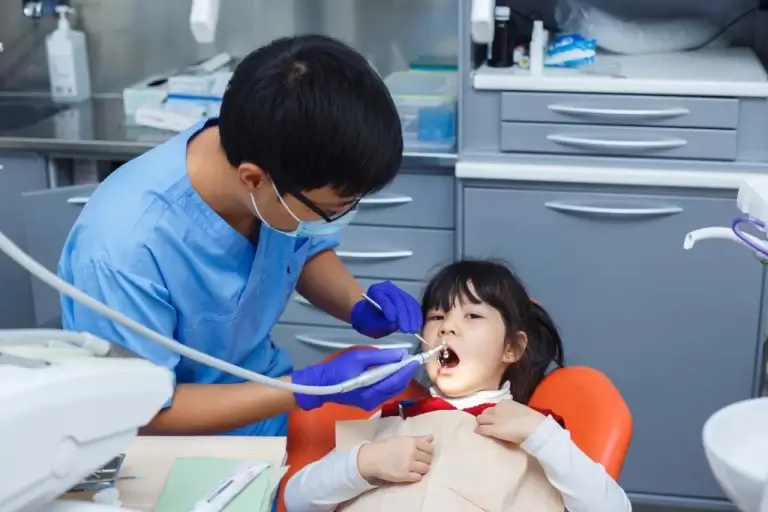
Pediatric dentistry often requires multiple dental procedures when decay has affected several teeth. A child with extensive dental needs might face this kind of schedule: two cavities filled at the first appointment, a pulpotomy and crown at the second, two more fillings at the third, an extraction at the fourth. Each visit runs 30 to 45 minutes if the child cooperates.
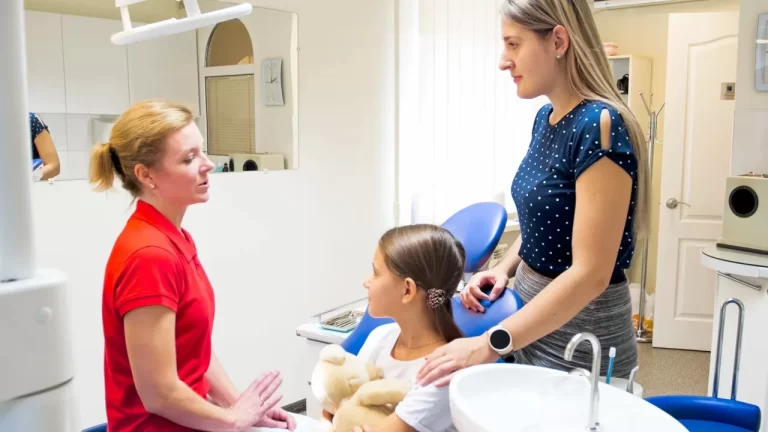
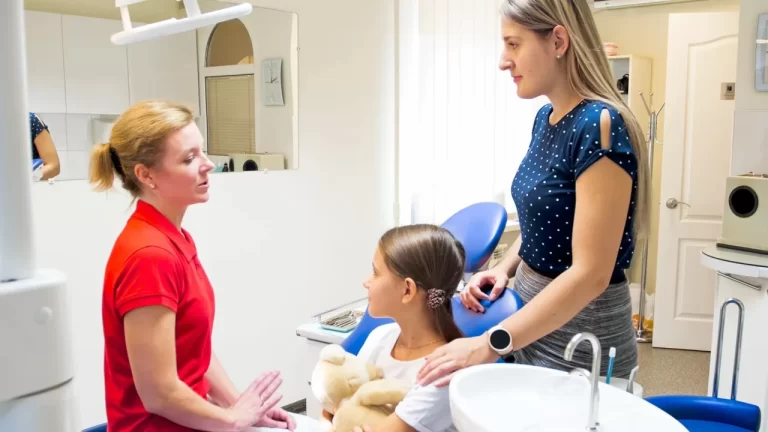
Many children don't cooperate. After a difficult first dental visit, the second appointment is harder. The child remembers. They resist the numbing injection, won't open their mouth, or cry so hard the dentist can't work safely. Parents often ask us about this exact pattern. They've watched their child's dental anxiety build with every visit until the pediatric dentist refers them out.
Between appointments, untreated decay doesn't wait. A cavity that needed a filling in January may need a dental crown by March. A tooth that could have been saved with a pulpotomy in February might require extraction by April. The American Academy of Pediatric Dentistry notes that dental caries progresses faster in baby teeth than permanent teeth because of thinner enamel. Delays in care create bigger problems.
How One-Visit Dental Treatment Works
At our sedation center in Stonecrest, GA, one-visit dental treatment means exactly what it sounds like. Every dental procedure your child needs gets completed in one appointment.
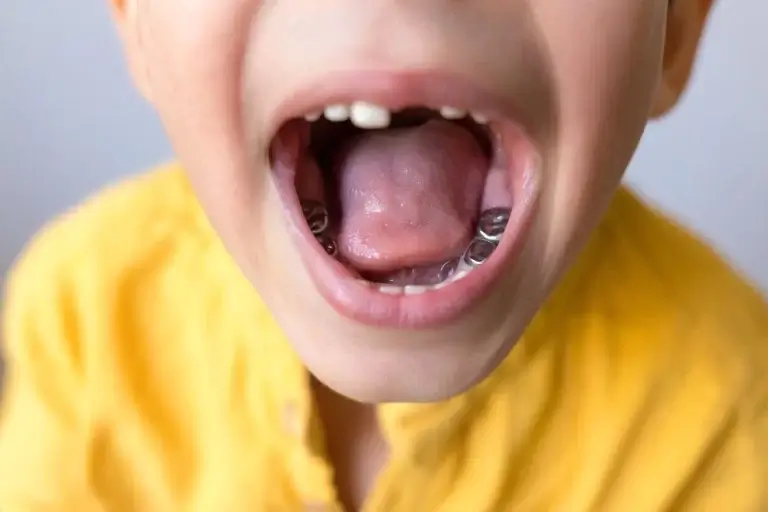
Here is what that looks like in practice. Your child arrives at our office at 8180 Mall Parkway, Suite 810. Dr. Asarch reviews the treatment plan with you one more time. Our anesthesia team places the IV, and your child falls asleep. From that point, the dentist works without interruption on all planned dental procedures: fillings, dental crowns, stainless steel crowns, tooth-colored crowns, extractions, pulpotomies, pulpectomies, space maintainers, and sealants as needed.
The clinical difference matters. When a dentist works on a sedated child, there is no stopping every few minutes to comfort a crying patient. No repositioning a squirming child. No abandoning a dental procedure because cooperation has broken down. Dr. Asarch can achieve better margins on restorations, better isolation for bonding, and more thorough decay removal when the child is completely still and comfortable.
Why IV Sedation Makes Single-Visit Dentistry Possible
General pediatric dentists often use nitrous oxide or oral sedation for anxious children. Those options work well for short, simple procedures at a regular dental clinic. But they have limits that affect the quality of care your child receives.
Nitrous oxide wears off within minutes of removing the mask, which is a feature for single-filling appointments. But it also means a child who needs 90 minutes of dental work may not stay relaxed long enough to finish. Oral sedation is time-limited too, and its depth varies from child to child. Some children may still move or wake partially during longer procedures.
IV sedation and general anesthesia last as long as the dental treatment requires. Whether your child needs 45 minutes of work or two and a half hours, the sedation holds steady. The anesthesia provider monitors your child's breathing, heart rate, and oxygen levels continuously while the dentist focuses entirely on the dental procedures. According to AAP and AAPD guidelines published in Pediatrics (2019), deep sedation and general anesthesia for pediatric dental patients should be administered by providers with training in pediatric airway management and emergency resuscitation.
PSC does not offer nitrous oxide or oral sedation. Those services belong to the general pediatric dentist's office and are appropriate for children who tolerate them. We exist for children who need more: kids whose dental anxiety is too severe for lighter sedation, kids who need too much work for multiple shorter appointments, and kids with special healthcare needs that make going to the dentist for in-chair treatment difficult.
Benefits for Kids and Parents
The advantages of completing all dental work in one visit go beyond the child's dental experience.
Less accumulated fear. A child who undergoes one sedation appointment doesn't build the layered trauma that comes from repeated difficult dental visits. They go to sleep, wake up, and their dental work is complete. Parents often tell us their child's attitude toward dental care improves afterward because they didn't have to endure months of stressful appointments.
No treatment gaps. When every dental procedure happens in one appointment, tooth decay doesn't have months to progress between visits. The dentist treats each tooth in the condition it was assessed, not in a worse state caused by scheduling delays.
Better clinical outcomes. A dentist working on a still, sedated patient can take time with each restoration. No rushing to finish before a child's cooperation runs out. No compromising because the child keeps moving. The quality of care goes up when the clinician works without interruption.
Less time away from school and work. Four or five dental appointments over three months means four or five mornings pulled from school, four or five instances of a parent missing work. One-visit dental treatment under sedation means one day. Your child misses one day of school. You miss one day of work.
What Recovery Looks Like After Dental Sedation
Most kids bounce back quickly after their appointment. They will be groggy and may sleep for a few hours after the dental visit. We recommend soft foods and quiet activity for the rest of that day.
Some children are irritable or nauseous for the evening. That's normal. About one in ten kids will feel groggy into the next morning. By the second day, nearly all children return to school and normal activity. Our team provides detailed aftercare instructions, and we are available at 470-395-2524 if you have dental concerns during recovery. You can also review our full guide on what to expect after dental sedation.
Is Your Child a Candidate for One-Visit Dental Care?
We want to be clear about this. If your child sits through dental appointments at their regular pediatric dentist's office without distress, that is the right path. Not every child needs IV sedation for dental care.
One-visit dental treatment under sedation is appropriate when your child has extensive dental needs that would require four or more separate appointments. When your child's dental anxiety is severe enough that they cannot cooperate for in-chair treatment. When your child has special healthcare needs that make standard dental visits difficult or impossible. Or when your child has had a traumatic dental experience that has made them resistant to future oral health care.
If you are not sure whether your child is a candidate, start by talking with your pediatric dentist. A dentist may recommend sedation when they recognize that their patient needs more than what can be accomplished in a standard office setting. Many of our patients arrive through exactly that kind of referral. Learn more about our pediatric dental sedation approach or review our sedation FAQs.

Prepare Your Child for Same-Day Dental Treatment
The preparation process for same-day dental treatment under sedation differs from a regular dental visit. Your child will need to fast before the appointment (no food or drink for a set period, which we specify based on their age and the sedation type). We schedule a pre-appointment call to walk you through every step so you can help your child feel ready.
On the day of the appointment, plan to be at our Stonecrest office for about three to four hours total, including check-in, the dental procedure, and recovery time in our facility before discharge. You can read our preparation checklist at preparing for sedation.
About the Pediatric Sedation Center of Georgia
The Pediatric Sedation Center of Georgia is the only 5-star rated sedation center in Atlanta. Dr. Todd Asarch leads our pediatric dental team with affiliations to the AAPD, ASA, ADA, Georgia Dental Association, and the Society for Pediatric Sedation. We provide pediatric dental services including IV sedation, general anesthesia, and hospital sedation for children who need dental procedures completed safely.
Our dental clinic is located at 8180 Mall Parkway, Suite 810, Stonecrest, GA 30038. To make an appointment or ask questions about whether one-visit dental treatment is right for your child, call us at 470-395-2524 or visit our page on IV sedation for children.