Stainless Steel Crowns for Kids Under Sedation

Your child's dentist just said something you weren't expecting: your kid needs crowns. Not one, but several. And they recommended stainless steel.
You probably have questions. Why crowns instead of fillings? Why metal and not something tooth-colored? And how is a three-year-old supposed to sit still while a dentist cements a cap onto a molar?
Parents ask us these questions every week at Pediatric Sedation Center of Georgia.
Why Baby Teeth Need Crowns Instead of Fillings
When tooth decay is small, a dental filling works fine. The dentist removes the damaged area, fills the hole, and the tooth holds up. But when decay covers more than about a third of a baby tooth, fillings stop being reliable. Baby teeth have thinner enamel than adult teeth, and a large filling in a small primary tooth is more likely to crack or fall out. The remaining tooth structure may be too weak for your child to chew on without pain.
The American Academy of Pediatric Dentistry (AAPD) recommends stainless steel crowns as the preferred restoration for primary teeth with extensive decay or after pulpotomy treatment. A pulpotomy is sometimes called a baby root canal. The crown covers the entire tooth and holds it together in a way that a filling in a badly damaged tooth cannot.
That matters because baby teeth are not disposable. A primary molar that falls out too early can cause the permanent teeth behind it to drift forward, crowding the space the adult tooth needs to come in. Losing a tooth to dental decay at age three can create years of bite problems and spacing issues down the road.
What Stainless Steel Crowns Are
Stainless steel crowns are prefabricated metal caps designed to fit over a child's tooth. They come in standard sizes for each molar tooth type, and the pediatric dentist trims and shapes the crown during placement to fit the specific tooth.
It's a chromium-nickel stainless steel alloy, the same type used in surgical instruments. SSC dental crowns are durable enough to handle years of chewing, biting, and the general wear that kids put their teeth through. That durability is the main reason pediatric crowns made from stainless steel have been a standard in pediatric dentistry since the 1950s.
Once cemented in place, a stainless steel crown stays on the tooth until that primary tooth falls out on its own. Parents are often surprised by how long that can be. A crown placed on a first primary molar at age three may stay until age nine or ten, when the permanent tooth pushes it out from below.
Stainless Steel vs. Tooth-Colored Dental Crowns for Children
The question we hear most from parents at our practice: can you use a white crown instead?
It depends on the location of the tooth, and there are trade-offs.
Tooth-colored alternatives like zirconia crowns or prefabricated resin crowns work well on front teeth, where appearance matters most. At Pediatric Sedation Center of Georgia, we place tooth-colored crowns on front teeth that show when your child smiles.
With back teeth (the molars where most decay or damage happens), stainless steel crowns are often the better clinical choice. The AAPD's clinical practice guideline on pediatric restorative dentistry notes that stainless steel crowns have the highest success rate among all restorative options for primary molars. Zirconia and porcelain alternatives for back molar teeth require removing more of the tooth's natural structure to make room for the thicker material. Stainless steel dental crowns need less tooth reduction, which preserves more of what's left of the damaged tooth.
About appearance: stainless steel crowns are silver-colored. On molars, though, they're barely visible. Open your child's mouth and look at their back teeth in a mirror. That's the only angle anyone sees a molar crown from. Most parents tell us they forgot about the crowns within a few weeks.
If your child needs crowns on both front and back teeth, the typical approach is tooth-colored crowns for kids up front and stainless steel on the molars. That gives the best combination of strength where teeth endure the most chewing force and natural appearance where teeth are most visible.
When Multiple Crowns Make Sedation the Better Choice
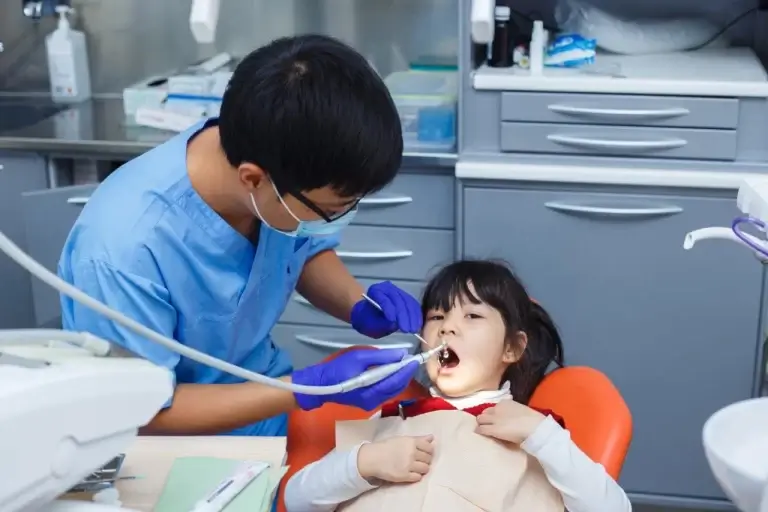
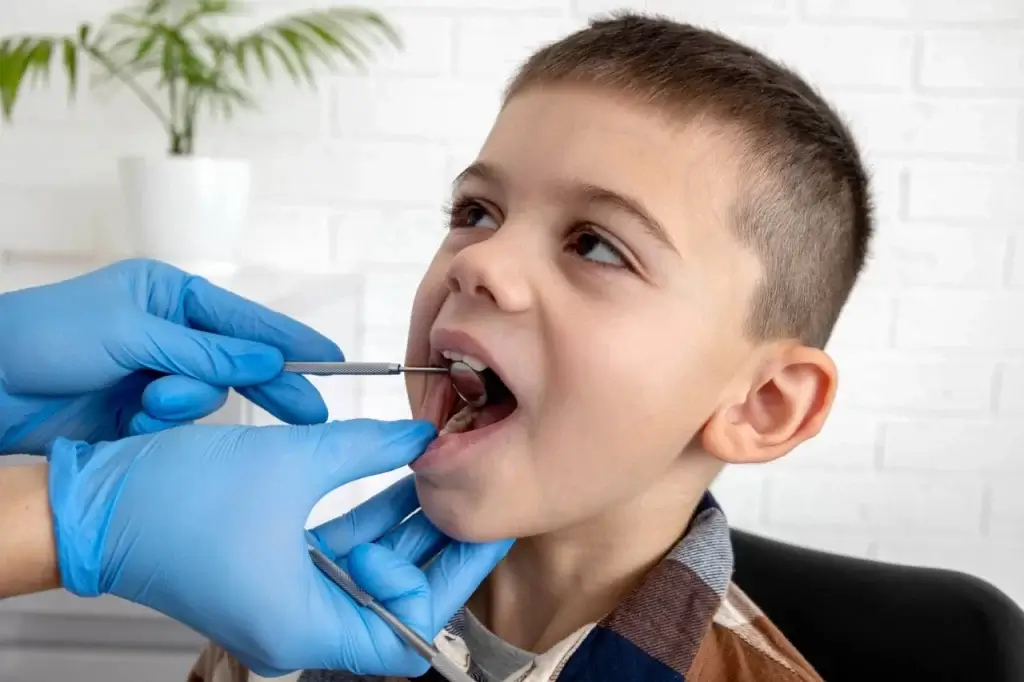
A single stainless steel crown placement takes roughly 20 to 30 minutes. The dentist numbs the area, removes the decay, shapes the tooth, fits the crown, and cements it. For one crown on an older, cooperative child, local anesthesia in a regular dental office works fine.
But many children who come to us don't need just one crown. Tooth decay in young children tends to affect multiple teeth at once. Early childhood caries, what used to be called baby bottle tooth decay, often spreads across several primary teeth in a child's mouth. A child susceptible to this pattern might need four, six, or eight crowns along with other restorative work.
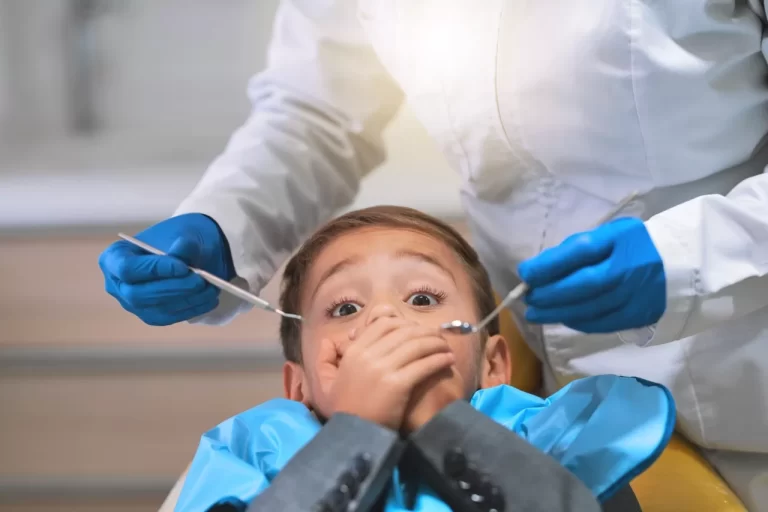
Asking a three-year-old to hold still with their mouth open for two or three hours of dental treatment is not realistic. Young children don't have the physical stamina for long procedures. Children with special needs, including autism and sensory processing disorders, face even greater challenges with prolonged oral treatment in a dental chair.
That's why pediatric dentists refer these children to us.
At Pediatric Sedation Center of Georgia, Dr. Todd Asarch, who has over 25 years of experience in pediatric dentistry, handles all the dental work while a board-certified physician anesthesiologist manages the IV sedation separately. The anesthesiologists on our team (Dr. Shawn Campbell, Dr. Stan Plavin, and Dr. Ravi Grandhi) focus on one thing: keeping your child safely sedated and monitored. Dr. Asarch focuses on the dental care. Two doctors, each with one job.
This means your child sleeps comfortably through the entire visit. Dr. Asarch can take his time doing the restorative work correctly, placing stainless steel crowns on damaged molars, completing any needed pulpotomies, placing tooth-colored crowns on front teeth, and finishing everything in a single visit. No repeat appointments. No re-numbing between procedures.
Parents who've been through three or four stressful office visits trying to get one filling done often tell us they wish they'd known about sedation sooner.
How Stainless Steel Dental Crown Placement Works Under Sedation
Before your child's appointment, you'll follow specific preparation steps including fasting guidelines. Our preparation guide covers everything you need to do beforehand.
When you arrive for the procedure, the physician anesthesiologist starts the IV sedation and monitors your child's vital signs continuously. Once your child is asleep, Dr. Asarch begins the dental work.
For each tooth that needs a stainless steel crown, Dr. Asarch removes all the decay from the tooth, performs a pulpotomy if the decay reached the nerve tissue, reduces the tooth to the right shape, selects the correct crown size, trims and contours the crown for a proper fit, and cements it in place.
Because your child is under sedation, there's no need for separate numbing injections between teeth. The anesthesiologist manages all medication through the IV, and the dentist can move from tooth to tooth without stopping. A case that might take six separate appointments at a general dental office gets done in one visit at our Stonecrest location.
After the Crowns Are Placed
Most children recover from sedation within a few hours. The crowns themselves need very little care beyond what you're already doing.
During the first day or two, your child's gum tissue around the crowned teeth may be sore or slightly swollen. This is normal after restorative dental work and usually goes away within 48 hours. Over-the-counter children's pain medication, whether acetaminophen or ibuprofen at your pediatrician's recommended dose, handles the discomfort for most kids.
Some children feel odd pressure where the crown meets the gum line. That feeling goes away as the tissue adjusts, usually within a week.
Your child's bite may feel slightly off at first because stainless steel crowns are a fraction thicker than the original tooth surface. In most cases, the bite settles within a few days. If your child is still bothered after a week, call us at 470-395-2524.
For daily care, brush twice a day and floss around the crowned tooth. The stainless steel crown stays on until the baby tooth falls out on its own, and the permanent tooth grows in underneath it.
One thing worth knowing: stainless steel crowns can occasionally come loose or need to be replaced if they take a hard hit. If a crown falls off, save it and call your child's dentist. Depending on how close that tooth is to falling out naturally, the crown may need to be recemented or it may be fine to leave off. This happens occasionally, and it's not an emergency.

Common Questions About Stainless Steel Dental Crowns for Kids
Are stainless steel crowns safe for children?
Yes. The AAPD includes stainless steel dental crowns in their clinical guidelines as a standard restorative option for primary teeth. The nickel content is a concern only for children with a known nickel allergy, which is uncommon in young children. If your child has a nickel sensitivity, zirconia or resin crown alternatives are available.
How many crowns can be done in one sedation visit?
There's no fixed limit. Dr. Asarch routinely completes full-mouth restorative cases in a single visit. That might include six or eight stainless steel crowns, multiple pulpotomies, and other treatment, all done while the child sleeps. The number depends on what each child needs.
Will the crowns affect my child's permanent teeth?
No. Stainless steel crowns sit on primary teeth and fall out when those teeth fall out. The permanent teeth develop and push through normally. Crowns protect the spacing that permanent teeth need, because they prevent the missing tooth gap that would let other teeth shift.
What about children with special needs?
Children with autism, sensory disorders, or other conditions are a large part of who we treat at our Stonecrest location. Sedation removes the cooperation barrier. The child doesn't need to sit still, follow instructions, or tolerate oral sensations they find overwhelming. Our pediatric dental sedation page explains how this works.
Is dental sedation safe?
Our safety page covers this in detail. Having a board-certified physician anesthesiologist dedicated only to your child's sedation, separate from the dentist doing the dental work, is the highest standard of monitoring available for pediatric dental sedation. You can also review our sedation FAQs.
Schedule Your Child's Visit
If your child's pediatric dentist has recommended stainless steel crowns, especially several at once, call Pediatric Sedation Center of Georgia at 470-395-2524. We're at 8180 Mall Parkway, Suite 810, in Stonecrest, GA. With 426 five-star Google reviews, families across Atlanta trust us to get their child's dental work done comfortably and completely in one visit.