What Does Dental Sedation Cost
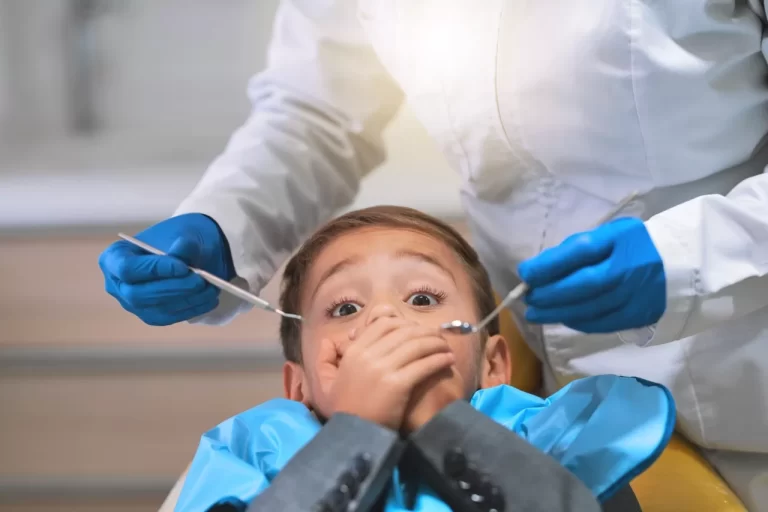
Search "how much does sedation dentistry cost" and you'll find the same answer everywhere: nitrous oxide (laughing gas) runs $50 to $100, oral sedation costs $150 to $500, and IV sedation falls between $250 and $900. Those cost ranges come from adult general dentistry offices where a patient stays awake or lightly sedated for a single dental procedure.
That has nothing to do with what your child needs.
Pediatric dental sedation, specifically IV sedation and general anesthesia for children, is a different service at a different price point. Your child sleeps through the entire appointment while a pediatric dentist and a physician anesthesiologist work side by side to finish all necessary dental treatment in one visit. The sedation dentistry cost reflects that deeper level of sedation and care, and it doesn't map to the price brackets on adult-focused websites.
Why Online Sedation Dentistry Cost Guides Miss the Mark for Kids
Every page ranking for "what does dental sedation cost" targets adults with dental anxiety who want conscious sedation for a cleaning or a single filling. The prices they list assume a dental patient who can sit in the chair, follow instructions, and hold still. The dentist at that dental office handles both the dental work and the sedation, keeping costs lower.
Pediatric dental sedation at a dedicated sedation center works differently. Children receive IV sedation or general anesthesia administered by a physician anesthesiologist (a dental anesthesiologist with years of residency training), not a dentist who completed a weekend sedation course. The child is fully asleep under a deeper level of sedation. The dental team completes all dental procedures in that single appointment, whether the treatment plan calls for four fillings and two crowns, or a full-mouth case with stainless steel crowns, extractions, and pulpotomies.
So the real cost comparison isn't laughing gas at $75 versus oral sedation at $300 versus IV sedation at $500. The comparison that matters is one sedation appointment that finishes everything versus six, eight, or more traditional dental visits spread across months. Each of those visits carries its own copay. Each one requires a parent to miss work. And each asks a frightened kid to sit in the dental chair and cooperate, which is the reason sedation was on the table in the first place.
What Factors Affect the Cost of Dental Sedation
Several factors affect the cost of sedation dentistry for children, including the type of sedation used, the complexity of the dental work, who administers the anesthesia, and the dental practice where treatment happens. The costs associated with sedation dentistry for pediatric patients don't follow the flat-rate pricing many dental offices offer for adult sedation services.
Type of Sedation Used
The type of sedation is the largest single factor in what dental sedation costs. Lighter forms of sedation like nitrous oxide and oral sedation cost less because they don't require a separate anesthesia provider. Those sedation options work for cooperative older children who need minor dental work at a general pediatric dentist, where the child can relax during dental treatment without deeper sedation.
IV sedation and general anesthesia cost more for a direct reason: a physician anesthesiologist manages your child's sedation from start to finish. That doctor monitors heart rate, blood pressure, oxygen levels, carbon dioxide output, and temperature continuously throughout the dental procedure. The sedation fees reflect having a dedicated anesthesia provider in the room for the full sedation time.
At Pediatric Sedation Center of Georgia, Dr. Todd Asarch handles the dentistry while a board-certified physician anesthesiologist handles the deeper sedation. Two doctors, each with one job. The practice has three physician anesthesiologists: Dr. Shawn Campbell, Dr. Stan Plavin, and Dr. Ravi Grandhi, each with hospital and surgical anesthesia experience. The AAP and AAPD joint guidelines on pediatric sedation recommend that a provider dedicated solely to monitoring sedation is the safest model when IV sedation or general anesthesia is used in dentistry. You can read more about what that monitoring looks like on our sedation safety page.
Scope and Complexity of the Dental Work
A child who needs two small fillings will have a shorter appointment and lower dental costs than a child who needs eight crowns, four extractions, and two pulpotomies. The complexity of the dental work drives sedation time, materials, and the overall cost of sedation. At a pediatric dental sedation center, the dental team addresses everything at once. The total is higher than a single filling at a general dentist, but it replaces what would otherwise be many separate dental appointments with their own costs.
At PSC, Dr. Asarch examines your child during a consultation before the sedation date. He maps out the full treatment plan so families see the scope of complex dental work, and the cost of sedation and dental treatment, before anything is scheduled. There are no surprises on sedation day.
Where the Dental Procedure Happens
Office-based sedation at a dental practice like PSC is less expensive than hospital-based sedation, which adds facility fees on top of anesthesia and dental costs. Some children with complex medical conditions require hospital sedation for safety reasons. The American Academy of Pediatric Dentistry recommends hospital-based dental treatment under general anesthesia for patients who cannot receive safe dental care in an office setting because of medical, behavioral, or developmental conditions.
Does Dental Insurance Cover Sedation?
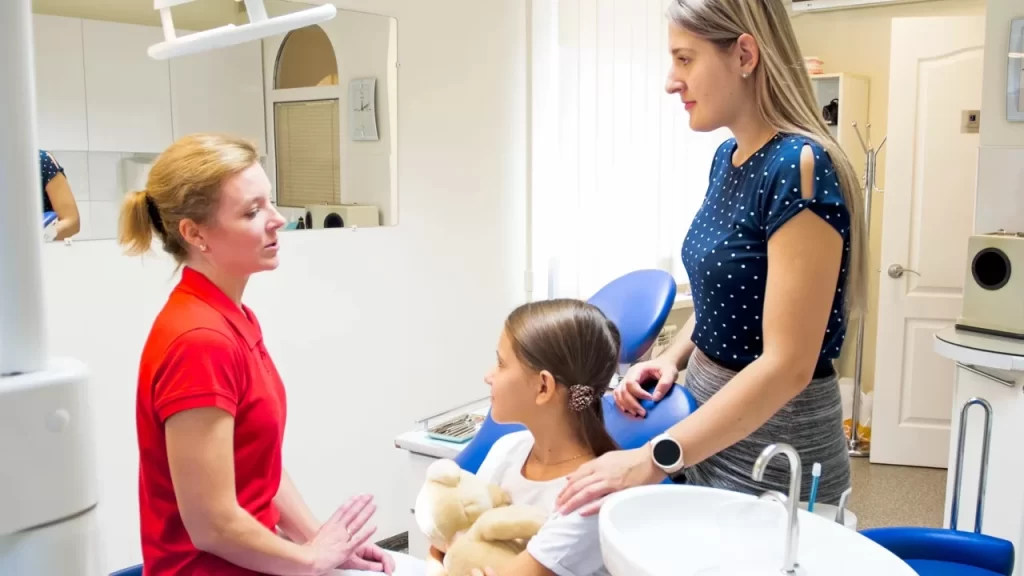
Insurance coverage for sedation dentistry varies by plan, and checking your specific coverage before scheduling is one of the most practical steps you can take to reduce the cost of sedation. What your dental insurance will cover sedation for depends on the plan type, whether the sedation is classified as medically necessary, and the dental procedures being performed.
Pediatric Sedation Center of Georgia accepts Georgia Medicaid, Amerigroup (rebranded as Wellpoint in Georgia, though many families still carry Amerigroup cards), CareSource, Peach State, and PeachCare for Kids. The practice also works with most PPO dental insurance plans.
Georgia Medicaid and its managed care organizations, including Amerigroup, CareSource, and Peach State, often cover sedation for children when treatment is medically necessary. Medical necessity typically means the child cannot receive safe dental care without sedation because of age, severe dental anxiety or severe dental phobia, special needs, or the volume of extensive dental work required. Some Medicaid plans require pre-authorization before the sedation appointment.
PPO dental insurance plans handle insurance coverage for sedation dentistry differently. Some cover the dental procedures but not the anesthesia fees. Others cover both partially. A few pay for sedation fully when the child meets medical necessity criteria. And some plans do not cover sedation at all. The PSC team verifies your insurance benefits before treatment so you know what your plan pays and what portion falls to your family before you pay for sedation dentistry.
If you carry dental insurance and aren't sure whether your plan will cover sedation, call PSC at 470-395-2524. The office staff walks families through their insurance coverage regularly and can tell you what to expect before you commit to anything.
Is Sedation Dentistry Worth the Cost?
Parents understandably focus on the sedation cost itself. The more useful number is the total cost of completing your child's dental care you need, including the dental costs, missed work, and what happens when treatment doesn't get finished.
A child with six cavities, two teeth needing crowns, and one extraction might face eight separate dental visits at a traditional pediatric dentist over several months. Each dental visit has a copay. Each requires a parent to take time off work or arrange childcare. Each dental appointment is another round of coaxing a frightened child into the chair. And some of those visits fail entirely when the kid can't cooperate, wasting both the copay and the missed work time.
Under sedation, that same child's dental treatment finishes in one morning. One copay. One day of missed work. One recovery. The child wakes up with every dental problem fixed and no memory of the dental procedures.
Sedation dentistry is worth the cost for families whose children need extensive dental work, or whose kids cannot tolerate traditional dental visits because of anxiety, autism, sensory processing disorders, or simply being too young to sit still. Sedation can make dental visits possible for children who would otherwise go without the dental care they need. Repeated incomplete appointments add up fast in both money and harm, and untreated decay doesn't wait. One benefit of sedation dentistry that's easy to overlook: when all the dental work gets done in a single visit, the child doesn't develop a pattern of dental phobia from repeated traumatic appointments.
Not every child needs sedation for dental work. A cooperative six-year-old with one small cavity should see a regular pediatric dentist. Nitrous oxide and oral sedation at a general dental office may be all they need to relax during a dental visit. But when a child's dental needs or behavior make traditional treatment impractical, IV sedation or general anesthesia changes the equation. Our page on when children need dental sedation covers the specific situations where deeper sedation is the right sedation option.
How to Reduce the Cost of Sedation for Your Child
You can't control the sedation fees or the type of sedation your child needs. But you can take steps to manage what you pay for sedation.
Verify insurance coverage before scheduling. The PSC team does this for every family, but you can also call your dental insurance provider directly and ask whether IV sedation or general anesthesia for pediatric dental procedures is a covered benefit under your plan. Ask about medical necessity criteria and pre-authorization requirements. If your dental insurance won't cover sedation, ask whether your medical insurance will, since some medical plans cover anesthesia when it's medically necessary for dental treatment.
Understand that one sedation visit often costs less in total than many dental office visits that each carry their own fees. If your child needs complex dental treatment, sedation provides a path to completing all dental work in a single appointment, which may reduce the total cost of dental care even though the sedation dentistry cost for that single visit looks higher.
Ask about payment options. Many dental offices offer payment plans for sedation services, making affordable sedation accessible to more families. At PSC, the team discusses costs, insurance coverage, and payment options during the consultation so families can make informed decisions before any dental procedure is scheduled.
Questions to Ask About Dental Sedation Costs
Before scheduling a sedation dental appointment at any dental practice, ask four questions. Who will administer the anesthesia, and what are their credentials? Is the sedation fee separate from the dental work, or does the practice quote a combined price? Will your insurance be verified before the dental appointment so you know your portion in advance? And what happens if your child gets sick and you need to reschedule?
Those four questions tell you more about a dental practice's cost structure and quality of dental care than any online pricing guide. A dental office that won't answer them clearly is worth reconsidering. Our pediatric sedation FAQ page covers many of the questions families ask before and after the dental sedation appointment, including questions about sedation used in dentistry, what happens during the dental procedure, and how to prepare your child for dental sedation.
At Pediatric Sedation Center of Georgia, the team verifies insurance coverage for sedation and walks families through the sedation dentistry cost before any dental appointment is scheduled. If your child has been referred for sedation by their regular dentist, or if you're exploring sedation after a difficult experience at another dental office, call 470-395-2524 or visit our contact page. The consultation covers your child's dental needs, insurance verification, and a clear picture of what the sedation you need will cost. You can also read about what to expect after your child's sedation appointment to understand the full process from scheduling through recovery.