Dental Sedation for Children with Autism

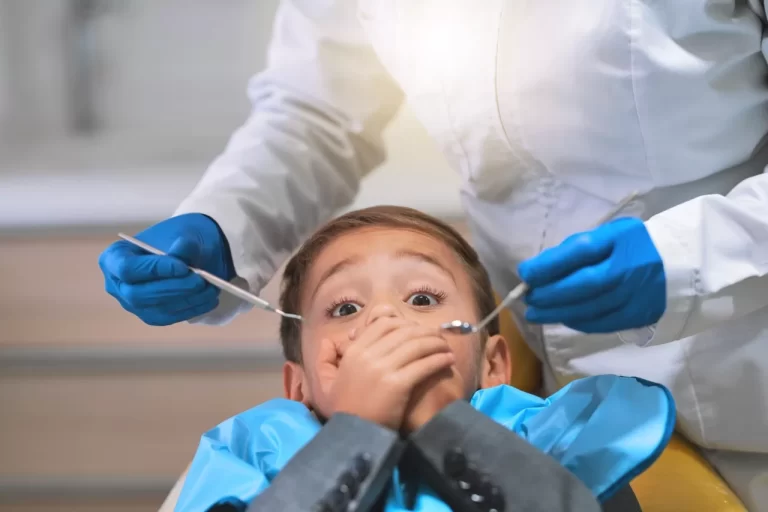
Your child's last dental appointment ended before the dentist touched a single tooth. Maybe the overhead light triggered a meltdown. Maybe the sound of the suction tool was too much. Maybe your child bolted from the dental chair the moment a stranger in gloves leaned in close.
You drove home with nothing accomplished and a child who was upset for hours afterward.
You are not alone. Parents of children with autism describe this exact scenario to us regularly at Pediatric Sedation Center of Georgia. Most of them have already tried every strategy the internet recommends before calling our office. And many have been told by other dental practices that their child simply "cannot be treated."
That is not true. Your child can get the dental care they need. Pediatric dental sedation makes it possible.
Why Dental Visits Are So Hard for Children with Autism
A routine visit to the dentist asks a child to do several things at once: sit still in an unfamiliar dental chair, tolerate bright lights and loud sounds, let a stranger put instruments in their mouth, and follow verbal instructions from someone they just met. For a child diagnosed with autism spectrum disorder, any one of those demands can be overwhelming. Combined, they create a sensory and behavioral situation that even the most patient pediatric dentist cannot manage.
The American Academy of Pediatric Dentistry (AAPD) defines children with special healthcare needs as "any physical, developmental, mental, sensory, behavioral, cognitive, or emotional impairment or limiting condition that requires medical management, health care intervention, and/or use of specialized services or programs." Children with autism spectrum disorder fit this definition, and the AAPD's guidelines on behavior management for patients with special needs specifically address the need for alternative approaches when standard dental care techniques fail.
Sensory issues are usually the biggest barrier to dental care for children with autism. The dental office is full of triggers that most people barely notice: the whine of a handpiece, the taste of fluoride, the feeling of water spraying against gums, the texture of polishing paste, the smell of latex gloves. Children with sensory processing differences experience these inputs at a higher intensity. What registers as mild background noise to one child may feel physically painful to a child on the autism spectrum.
Communication adds another layer of difficulty. A dentist says "open wide" or "turn your head this way," and most children follow without thinking. A child with autism who is nonverbal or has limited speech may not understand the instruction, may not be able to comply even if they understand it, or may become distressed by not knowing what happens next. Dental treatment depends on cooperation, and cooperation depends on communication that may not be available.
Then there is routine disruption. Many children with autism depend on predictable schedules. A dental visit breaks that routine with unfamiliar people, unfamiliar smells, unfamiliar sounds, and an unpredictable sequence of events. The child's nervous system interprets the whole experience as a threat, and the resulting behavior makes dental care impossible to deliver.
What Parents Try Before Seeing a Special Needs Dentist
Most parents who call Pediatric Sedation Center of Georgia have already spent months or years trying to help their child tolerate dental visits. They have tried social stories, practiced with toy dental kits at home, done "happy visits" where nothing happens, brought noise-canceling headphones, and chosen pediatric dentists who advertise as autism-friendly. Some of those strategies help children with autism for a while.
A social story might get your child through the door of the dental office. It will not keep them calm while the dentist drills a cavity. A weighted blanket might help your child feel less anxious in the waiting room, but it does not solve the problem of needing to hold perfectly still while someone works inside their mouth for 45 minutes.
The gap between "getting through a cleaning" and "completing six fillings and two crowns" is enormous. Many children on the autism spectrum can manage brief dental visits when their dental needs are minor. But those needs pile up when earlier appointments get cut short or skipped entirely. At some point, the required dental treatment exceeds what behavioral approaches alone can handle.
How Delayed Dental Care Affects Your Child's Oral Health
Postponed dental care creates a cycle that gets worse over time. A cavity that could have been treated with a small filling grows into a tooth that needs a crown or extraction. An infection that could have been caught with preventive dental care may require a pulpotomy (baby root canal) or cause pain that disrupts your child's sleep, eating, and behavior.
Children with developmental disabilities, including autism, already face higher rates of dental disease than the general pediatric population. Research published in the journal Pediatric Dentistry has found that children with autism spectrum disorder are more likely to have unmet dental needs, partly because access to cooperative dental care is more difficult. The AAPD emphasizes that good oral health is a basic right for every child, including those with special healthcare needs, and that pediatric dental care should not be delayed because of behavioral barriers.
Poor oral health affects more than teeth. For a child with autism, untreated tooth decay can increase behavioral problems, decrease food intake (which affects nutrition and growth), and create new sensory triggers around the mouth that make future dental experiences even harder. Establishing a dental home early and protecting your child's oral health care now prevents bigger problems as your child grows.
How Pediatric Dental Sedation Helps Children with Autism
Sedation does not teach a child to cope with the dental experience. That is not the goal. The goal is to complete the dental work safely while your child sleeps through it. There is no sensory overload, no need to follow verbal instructions, and no struggle through a procedure your child cannot tolerate while awake. Your child is comfortable because they are asleep.
At Pediatric Sedation Center of Georgia, we provide IV sedation and general anesthesia for pediatric dental care. This is not nitrous oxide or oral sedation, which are dental services offered by general pediatric dentistry practices. Both of those options still require a cooperative child. A child has to breathe through a nose mask for nitrous to work, and oral sedation requires swallowing medication and waiting for it to take effect, a window where things fall apart fast for a child who is already in distress.
IV sedation and general anesthesia allow Dr. Todd Asarch to complete all of your child's dental treatment in a single visit while your child is fully asleep. Sedation dentistry for children with autism is the difference between dental care that gets done and dental care that keeps getting postponed until a small problem becomes a painful one.
Pediatric Dentist and Anesthesiologist: Two Doctors for Safe Dental Care
Every sedation appointment at Pediatric Sedation Center of Georgia uses a two-doctor model. Dr. Todd Asarch, a pediatric dentist with over 25 years of experience, handles the dental work. A separate board-certified physician anesthesiologist (Dr. Shawn Campbell, Dr. Stan Plavin, or Dr. Ravi Grandhi) handles sedation and monitors your child throughout the procedure.
The dentist focuses on teeth. The anesthesiologist focuses on your child's safety. Neither doctor splits their attention.
The American Academy of Pediatric Dentistry recommends that when general anesthesia is used for pediatric dentistry, the sedation provider should be someone other than the dental practitioner so that each can concentrate on their area of responsibility. That is exactly how we operate at our Stonecrest, GA office.
For parents of children with autism, this model answers the question we hear most: "Is my child safe under anesthesia?" Your child is monitored continuously by a physician whose only job during that appointment is keeping them safe, tracking breathing, heart rate, oxygen levels, and sedation depth. You can read more about our safety approach here.
What Your Child's Sedation Dental Visit Looks Like
Knowing what to expect helps reduce dental anxiety for parents and caregivers, even when your child will sleep through the procedure.
Before the appointment, you will receive preparation instructions with fasting guidelines and details about your child's individual needs. On the day of the visit, you bring your child to our dental office at 8180 Mall Parkway, Suite 810, in Stonecrest, GA. The anesthesiologist reviews your child's medical history, including any medications, allergies, or developmental considerations, and discusses the sedation plan with you. You know your child best, and your input shapes how we approach the care for your child.
Once your child is under anesthesia, Dr. Asarch completes all the necessary dental work. That might include white fillings, stainless steel crowns, tooth-colored crowns, extractions, pulpotomy (baby root canal), space maintainers, dental sealants, or any combination of procedures. Because your child is asleep, the dental team works without interruption. Dental care for children with autism that might have taken four or five separate appointments at a general pediatric dentist's office gets finished in a single visit.
This single-visit approach matters for families. Every dental visit is a source of stress for the child and the caregiver. Reducing five difficult appointments to one means less disruption to routines, fewer transitions to manage, and fewer days pulled from school or therapy schedules.
After Your Child's Dental Sedation
Your child will be groggy when they wake up. Some children bounce back within a few hours. Others stay sleepy and irritable for the rest of the day. A small number experience nausea after general anesthesia. This is normal and temporary, but knowing ahead of time keeps you from being caught off guard.
We send detailed post-sedation care instructions home with every family. Most children return to their regular routine by the next morning.
Parents of autistic children tell us something worth sharing: their child does not remember the dental appointment. There is no new trauma layered onto an already difficult relationship with dental care. The next time dental work is needed, you are not starting from a place of fear built on a bad dental experience. For children with autism who carry the memory of past failed visits, this matters more than most people realize.
What Parents of Children with Autism Say About Dental Care at PSC
More than 20 of our Google reviews mention autism by name. Parents describe our team as patient and calm with their autistic children. They talk about how our staff took time to understand each child's individual needs before the procedure began. With 426 reviews and a 5.0-star rating, these caregiver experiences reflect a consistent pattern of care for children with special needs, not a handful of good days.
We see the same thing in review after review: families who had tried multiple dental offices and had been told their child could not be treated found a dental home where the work actually got done. For parents who have spent years trying to protect their child's dental health while every appointment falls apart, finding a dentist who works with autistic children changes everything.
Is Sedation Dentistry the Right Choice for Your Child with Special Needs?
Not every child with autism needs sedation for dental care. Some children on the autism spectrum do well with a patient pediatric dentist, behavioral strategies, and enough time. If your child can sit through a cleaning and tolerate the occasional filling, a general pediatric dentistry practice may meet your child's needs. Special needs dentistry covers a range of approaches, and sedation is one option among several.
Sedation becomes the right choice when:
- Your child needs multiple procedures that cannot be completed in short appointments
- Previous dental visits have ended early because of sensory or behavioral challenges
- Your child is nonverbal or unable to follow instructions during dental treatment
- Your child has dental anxiety so severe that behavioral approaches have stopped working
- Delayed dental treatment risks infection, pain, or more advanced dental disease
When your child's dental needs have grown past what a traditional dental office can manage, sedation is the clinical answer. Children with developmental disabilities and other special healthcare needs often reach this point. Dentistry for children with special needs sometimes requires different methods, and there is no reason to keep forcing appointments that cause distress without results. Our special needs sedation page explains how we help children with conditions beyond autism as well.
Protecting Your Child's Oral Health at Home
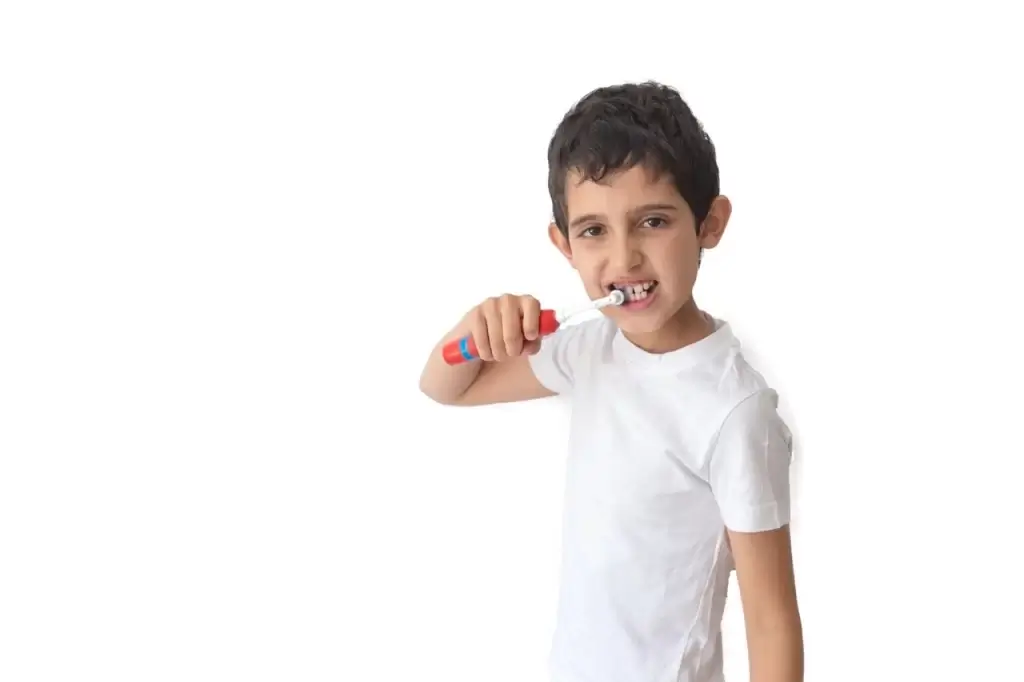
Once your child's dental treatment is handled, the focus shifts to protecting their teeth between appointments. Keeping up with oral hygiene at home reduces how often sedation and dental work are needed. Children with sensory sensitivities may resist tooth brushing because of the texture of toothpaste, the bristles of a toothbrush, or the feeling of pressure against their gums.
Try unflavored toothpaste if your child is sensitive to taste. Use a soft-bristle toothbrush or an electric brush with a gentler vibration. Let your child hold the toothbrush first so they control the pressure. Build brushing into the same spot in your child's daily routine so it becomes predictable rather than a surprise.
Good oral health between dental visits means less dental work at the next sedation appointment, less time under anesthesia, and a shorter recovery. Talk to a pediatric dentist about recommendations specific to your child's oral health care needs.
Schedule an Appointment for Your Child
If your child with autism needs dental work and traditional appointments are not working, call Pediatric Sedation Center of Georgia at 470-395-2524. We will talk through your child's specific situation, review their medical history, and explain what to expect from pediatric dental sedation. Our team provides dental services for children with special needs every day, from first-time sedation families to parents who have tried and failed at multiple dental offices.
For answers to common questions about sedation dentistry for children, visit our FAQ page.