Sedation for Multiple Dental Procedures in One Visit

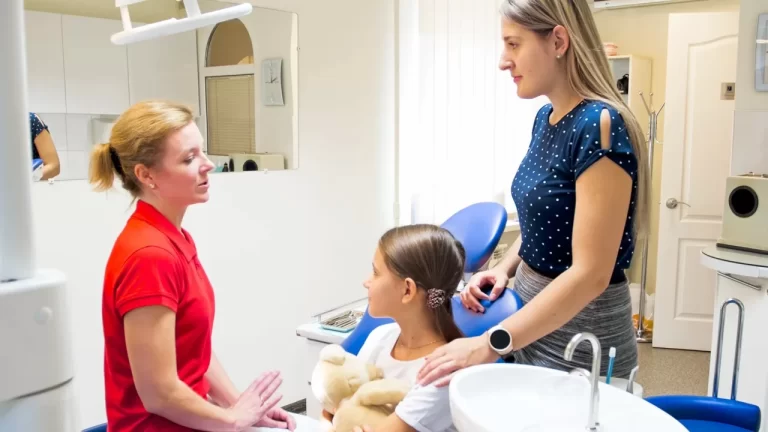
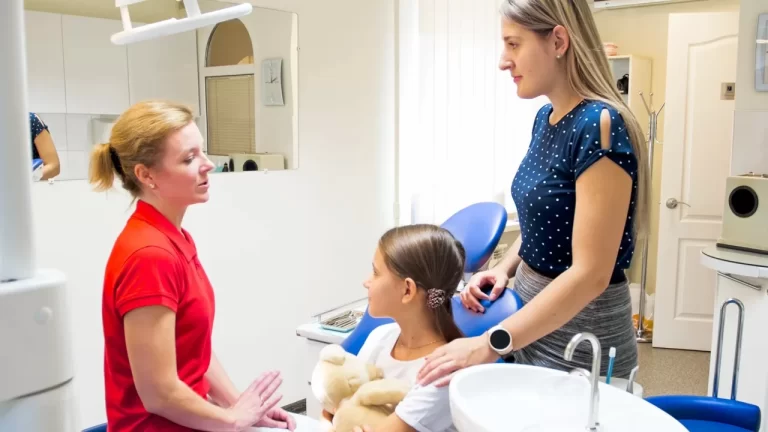
Six separate items fill your child's treatment plan: fillings, crowns, an extraction, a pulpotomy, and more. Then your child's dentist starts talking about the calendar. Four visits, maybe five. Each appointment means another difficult morning, another struggle getting your child into the car, and another round of tears around the dental chair.
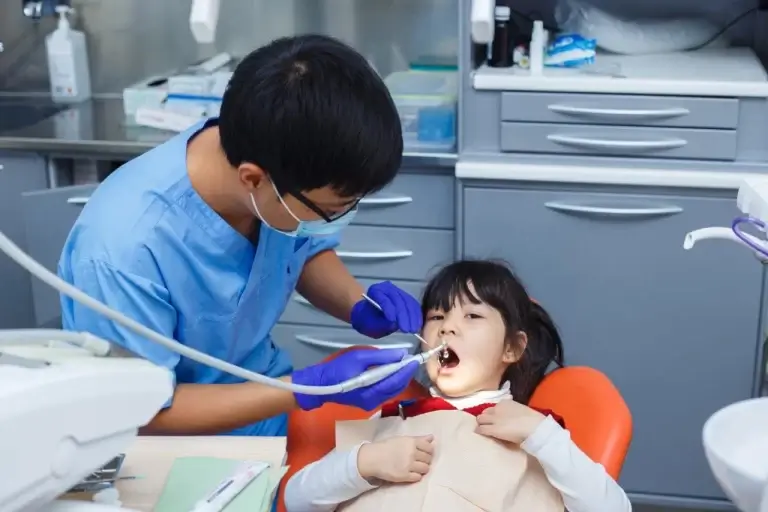
For a child who cannot tolerate treatment in a traditional dental office, breaking complex dental procedures into repeated visits can make care harder. Pediatric dental sedation allows the full treatment plan to happen during one visit. Your child sleeps while the dentist completes the procedures, so your family goes through one appointment and one recovery.
Why Some Children Need Multiple Dental Procedures at Once
General pediatric dentists refer most of the children we see at our Stonecrest office. Usually, the treatment plan is too extensive to finish while a child is awake because the child cannot remain still, refuses to open their mouth, or becomes too anxious for the dentist to begin.
Decay can reach several teeth before it is discovered. A toddler who would not allow a first dental exam at age two may not cooperate for X-rays until age four. By then, six teeth may need treatment instead of one. Other children arrive after prior dental visits ended because severe dental anxiety, sensory sensitivities, or a strong gag reflex made dental work impossible. Their referring dentist tried the approaches available in that office, but the work still could not be completed and the list kept growing.
At Pediatric Sedation Centers of GA, children undergoing dental procedures under sedation often have several restorative procedures completed during the same visit:
- White fillings on several teeth
- Stainless steel crowns or tooth-colored crowns, including strip crowns and prefabricated resin crowns
- Extractions for teeth that cannot be saved
- Pulpotomy or pulpectomy to save baby teeth that still need to function for years
- Space maintainers after an extraction to preserve room for incoming permanent teeth
- Sealants on healthy teeth for preventive protection
In our practice, a child commonly needs three to eight procedures. Splitting that work across four or five traditional dental appointments forces a child who already dreads the chair to repeat the same fear and disruption four or five times.
Which Type of Sedation Is Used for Multiple Procedures?
Long appointments involving multiple dental procedures need more than a one-size-fits-all sedation plan. The type of sedation depends on the amount of dental work, the child's age and health, and what happened during earlier dental care.
Sedation dentistry includes several levels of sedation. Conscious sedation with oral sedation or nitrous oxide sedation may help a mildly anxious child manage one filling or another simple procedure. Those lighter forms of sedation rarely remain reliable through multiple procedures. A child who manages a twenty-minute filling with nitrous oxide may not stay cooperative through ninety minutes of crowns, extractions, and pulpotomies.
For comprehensive dental treatment with multiple procedures, a deeper level of sedation gives the clinical team a more predictable window. IV sedation and general anesthesia offer the depth and duration needed for complex dental procedures. Under deep sedation or general anesthesia, your child remains asleep while the dentist works through the treatment plan.
At our center, the sedation options for children with extensive needs are IV sedation or general anesthesia. We don't offer nitrous oxide or moderate oral sedation because the patients referred to us need a level of sedation that can support the full treatment plan without repeated stops. A physician anesthesiologist manages your child's sedation while the dentist concentrates on the dental care.
What Happens During a Multi-Procedure Sedation Visit
At a traditional dental office, an awake child may receive oral sedation or nitrous oxide to reduce anxiety. The dentist works only as long as the child can cooperate, then schedules another visit when cooperation ends. For a child with severe dental anxiety or complex treatment needs, that pattern can continue for weeks while needed dental treatment remains unfinished.
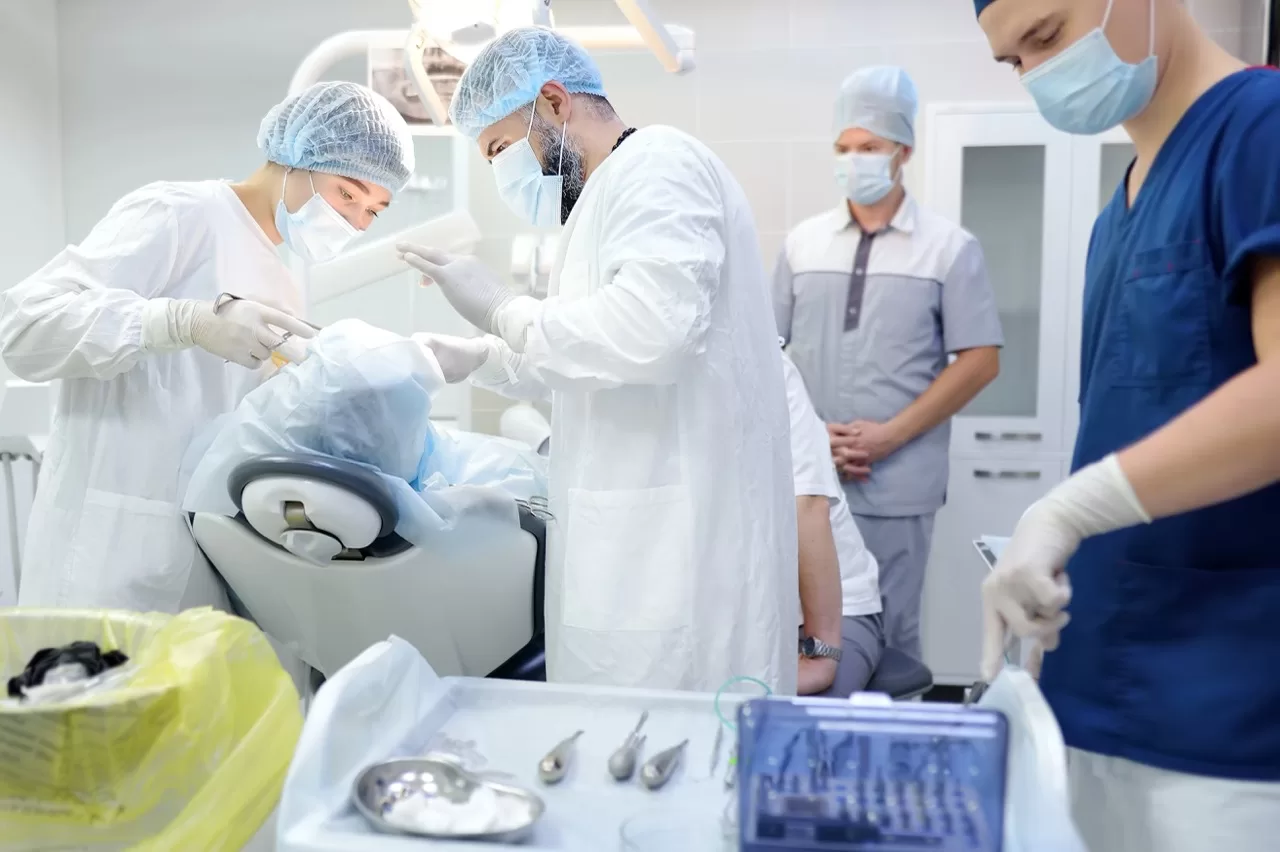
A dedicated sedation center assigns the anesthesia and dentistry to separate providers. A physician anesthesiologist administers IV sedation or general anesthesia and remains responsible for it throughout the appointment. While your child sleeps, Dr. Todd Asarch completes the full dental treatment plan, moving through each filling, crown, extraction, pulpotomy, and sealant without pausing because of crying, gagging, or movement.
At our center, the dental anesthesiologist is Dr. Stan Plavin or Dr. Ravi Grandhi. The anesthesiologist tracks breathing, vital signs, and sedation depth from beginning to end, while Dr. Asarch gives the dental work his full attention. Because neither provider has to divide attention between sedation management and dentistry, multiple dental procedures can be completed in a single sitting.
Is It Safe to Complete Several Procedures Under Sedation?
Parents raise this concern more often than any other: if more dental work makes the sedation appointment longer, does that extra time increase risk?
The American Academy of Pediatric Dentistry (AAPD) addresses those conditions in its guidelines on pediatric sedation safety. The recommendations call for continuous physiological monitoring, a provider devoted to sedation management rather than the dental procedure, and the ability to respond to an emergency at any point. With those safeguards in place, sedation for multiple procedures has a safety profile consistent with sedation for a single procedure.
During every sedation appointment at our center, the physician anesthesiologist continuously watches heart rate, oxygen saturation, blood pressure, and end-tidal CO2. Sedation depth is changed in real time as the child responds. Pediatric dental patients receive the same monitoring standard used in hospital operating rooms.
Families also need to know that more time under sedation can bring a groggier recovery. A child under general anesthesia for fifty minutes will usually be sleepier than a child under for twenty. Most children return to their normal behavior by evening, though roughly one in ten remains groggy or irritable into the next morning. That can be an expected part of recovery. Every family receives written instructions explaining what to watch for and when dental sedation is the right call.
Why Fewer Dental Visits Can Be Better for Children
Breaking dental care into smaller visits may sound gentler. For many children, repeating the visits creates more distress.
Each appointment starts the fear again: fasting in the morning, a tense ride to the office, and another separation in the waiting room. For children with special needs or sensory sensitivities, a return visit can reset the stress cycle instead of building comfort. Repetition does not always make these children more comfortable during dental visits. Some begin dreading each appointment even earlier.
One sedation visit means one fasting period, one recovery, and one missed day of school. A child with a traumatic dental history may cope better when the next dental appointment finishes the plan instead of starting a series of appointments.
Repeated sedation is another concern parents bring to us. Completing care in fewer sedation appointments reduces total anesthesia exposure across the treatment course. Families also miss less work, arrange sibling care fewer times, and make fewer trips to the dental office. Georgia Medicaid, Amerigroup, CareSource, Peach State, PeachCare for Kids, and most PPO insurance plans cover sedation dentistry for children, but coverage cannot replace the time and wages a family loses with each visit.
How We Plan Treatment for Multiple Procedures
We plan the sedation appointment before your child reaches our office. The referring dentist sends records and X-rays, and Dr. Asarch studies the complete scope of dental work in advance. He then sets the procedure order so the most urgent dental treatment comes first.
Before treatment begins, the anesthesiologist reviews your child's medical history and confirms the sedation plan. A cold, a fever, or breakfast eaten by accident that morning means the appointment is rescheduled. We occasionally have to make that call, and delaying treatment is the right decision in those circumstances. Our preparation checklist explains what to do and what to avoid in the days leading up to the visit.
Families also ask whether every procedure will be finished. Most of the time, the answer is yes. If the anesthesiologist decides that sedation should end early, any remaining work is moved to a follow-up visit. Safety determines how long the appointment continues; the treatment plan does not.
Questions Parents Ask About Combining Dental Procedures
Will my child feel any of the dental work?
With IV sedation or general anesthesia, your child remains asleep during the appointment. They do not feel the dental procedures and usually do not remember the visit.
Does more dental work mean a harder recovery?
Recovery depends more on the sedation than on how many procedures were done. A child receiving six fillings and two crowns generally feels similar afterward to a child receiving three fillings if the sedation course is comparable. Grogginess comes from the anesthesia wearing off, not from the dental treatment itself. Our guide to recovery after dental sedation explains the expected timeline.
What if my child needs dental work but refuses to cooperate?
This is why most families come to our center. If anxiety or behavior prevents a child from receiving treatment in a regular dental office, sedation dentistry can let the dentist finish the dental work while the child stays safe and comfortable during dental care.
Can sealants go on during the same sedation visit?
Yes. Sealants add little time when a child is already under sedation. Including them in the same visit can prevent another trip for dental care that is preventive rather than restorative.
How do I know which sedation option is right for my child?
The sedation used in dentistry for a multi-procedure appointment is chosen from your child's age, medical history, and required dental treatment. At our center, the physician anesthesiologist reviews the records and selects the appropriate level of sedation. Our sedation FAQs answer more parent questions about pediatric sedation.
To talk through your child's treatment plan, call 470-395-2524 or request a consultation through our contact page.