What to Tell Your Child About Dental Sedation
Your child's dental sedation appointment is booked, and at some point before that morning you have to explain it. Say too little and the day can feel like a trick. Say too much, with worry in your voice, and a young child may spend the whole week bracing for it. Knowing what to tell your child about dental sedation mostly comes down to telling the truth in words sized to your child, then leaving room for questions.
The American Academy of Pediatrics gives the same core advice in its HealthyChildren.org guide to procedures with anesthesia: be honest, match the explanation to your child's age and maturity, acknowledge their fears, and stay calm yourself. Below, we've turned that advice into practical words for families coming to Pediatric Sedation Centers of GA in Stonecrest for pediatric dental sedation, including sample phrases you can borrow and a few promises worth leaving out.
Learn Your Child's Type of Sedation First
You can't explain a plan you don't know yet. At our center, children receive dental treatment under IV sedation or general anesthesia, and some children with more complex medical needs are treated in a hospital setting instead. We don't offer nitrous oxide (laughing gas) or oral sedation, which many general pediatric dentistry offices use. If your family is new to sedation dentistry, a friend may describe a laughing gas mask or a medicine drink from their child's visit to another dental office. That form of sedation may not match what your child will experience here.
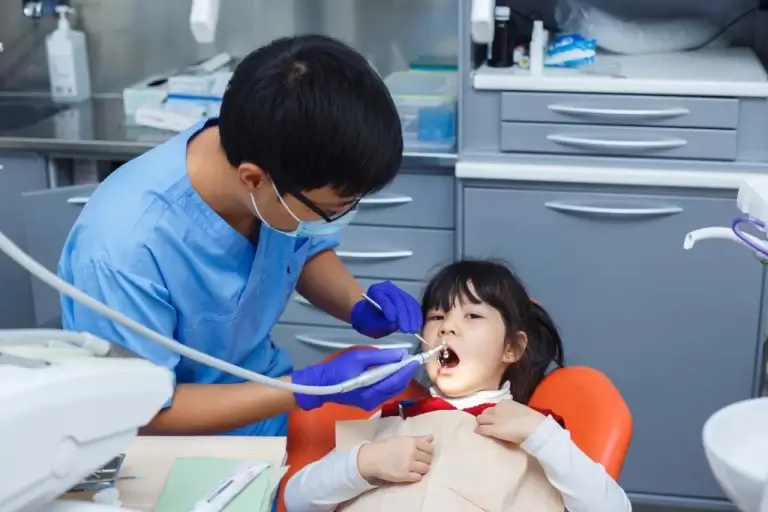
Two doctors share the work. Dr. Todd Asarch, DDS, is the pediatric dentist who does the dental work, and he has over 25 years of experience providing dental sedation and treatment for children. He is a member of the American Academy of Pediatric Dentistry and the American Dental Association. A physician anesthesiologist (an MD) manages your child's sedation from start to finish and stays focused on your child's airway, breathing and vital signs. You can see who they are on our Meet Our Doctors page. That setup gives you one simple, true sentence for your child: one doctor's whole job is to watch over you while the dentist fixes your teeth.
It also helps to know why sedation is part of the plan, because older kids will ask. Children come to us for different reasons, including extensive dental work, dental anxiety, special health care needs, or an age when sitting still for a long dental procedure isn't realistic. Ask which reasons apply to your child. The answer becomes your honest reply when your child asks, "Why do I need this?"
The American Academy of Pediatric Dentistry's family information on sedation makes a related point: a parent who understands the plan and prepares the child helps the day go better. Before you talk with your child, ask our dental team the questions only they can answer for your family:

- Is IV sedation or general anesthesia planned for my child, and why?
- How will the sedation medicine be started, so I can describe it truthfully?
- About how long will my child's dental procedure take, so I can tell my child how long I'll be waiting?
- When will I say goodbye, and when can I expect to see my child again?
- What eating and drinking instructions apply, so I can explain why breakfast has to wait?
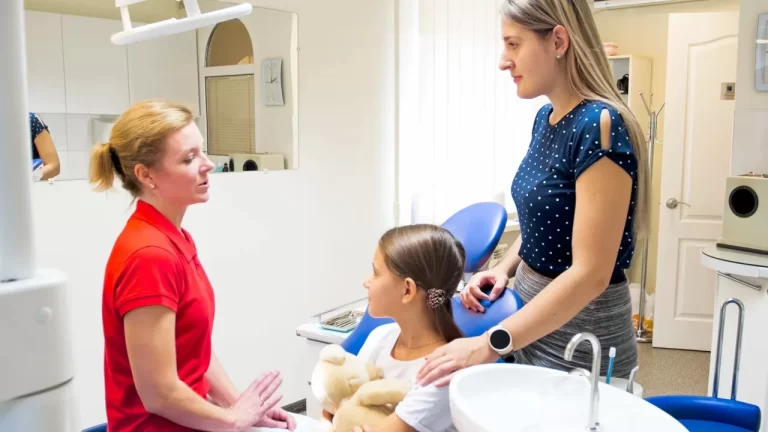
Some details are easy to share with a child now. You're welcome to bring a comfort item, like a blanket or a favorite stuffed animal, and our pre-op area has TVs and toys. Parents wait outside the treatment room while the team is with your child during the dental procedure. The exact moment you part and the moment you rejoin your child depend on the plan for that day, so ask rather than guess.
Match the Words to Your Child's Age and Stage
Nationwide Children's Hospital's guide to emotionally preparing a child for surgery describes a pattern most parents will recognize. Young children understand what they can see, hear and feel. Older children want reasons, and teenagers want a say. Age is only a starting point, though. Go by what your child actually understands, not by their birthday.
Toddlers and Preschoolers
Keep it short and concrete. Describe what they'll notice with their senses: a new building, grown-ups who may wear masks and gloves, and a special medicine from a doctor that helps them sleep while the dentist fixes their teeth. Nationwide Children's suggests books and pretend play for this age, since play can help children make sense of new things. Let your child be the dentist and give a teddy bear a turn in the chair, then trade places.
Small children sometimes decide that treatment is a punishment for something they did, like skipping a brushing. Say plainly that it isn't.
School-Age Children
School-age kids can handle more detail and usually want to know why. Explain that some teeth need fixing, that the dentist will do the dental work while medicine keeps them asleep, and that a doctor stays with them throughout the procedure. Then stop and ask what questions they have. Answer what they ask. A child who wants more will ask again.
A small coping plan can help your child feel more in control during the nervous moments before the appointment. It might be squeezing your hand, counting slowly, a favorite song, or choosing which stuffed animal comes along. Having a job gives your child something to hold onto on a day when a lot is out of their hands.
Tweens and Teens
Treat older kids as partners. Nationwide Children's recommends letting adolescents take part in the process, so include them in the consultation and let them ask our pediatric dental professionals questions directly. Teens may have worries a younger child never thinks about, like missing school, missing plans with friends, or how they'll look and feel afterward in front of others. Ask what's on their mind and take the answer seriously.
Children With Developmental or Communication Differences
Our center welcomes children with dental anxiety, autism, sensory processing differences and other special health care needs. For these children, the best way to explain dental sedation is usually the way you already explain everything else. That might be a picture schedule, a short social story, a first-then card ("first teeth, then home"), a communication device, or the same few words repeated each day.
Some children do better hearing very little ahead of time. Others need several days of repetition before a new event feels safe. You know which one your child is. Tell our team which words, sounds or kinds of touch calm your child and which ones overwhelm them, and what went wrong at past dental visits. Then everyone can use the same approach on the day.
Sample Phrases for Explaining Dental Sedation
These are starting points, not a script. Change the wording so it sounds like you, and check any details with our team first.
- For a young child: "The dentist is going to fix your teeth. A doctor will give you special medicine so you can sleep while they work. It's a different kind of sleep than bedtime, and the doctor stays with you the whole time."
- For the why: "Some of your teeth are sick and need help to feel better. You didn't do anything wrong."
- For the goodbye: "I'll be waiting close by while the dentist fixes your teeth. The team will tell me when it's time for us to be together again."
- For big feelings: "It's okay to feel scared. Lots of kids feel that way. What would help you feel braver?"
- For an older child who wants details: "The team will tell us exactly how the medicine starts, and I'll tell you what they say. A doctor watches your heart rate and breathing the whole time you're asleep."
- For waking up: "When you wake up, you might feel sleepy, grumpy or a little strange. That's the medicine wearing off. Tell us how you feel so we can help."
- For a question you can't answer: "I don't know yet. Let's write it down and ask the dentist."
Notice what these phrases have in common. Each one is short and true, and none of them promises something you can't control.
Promises to Leave Out
Well-meant promises backfire when they don't come true, and a child who feels misled may trust the next dental visit less. You're aiming for a positive dental experience your child can build on, even if parts of the day are hard. These are the promises we'd skip:
"It won't hurt at all." Your child may feel sore or uncomfortable afterward, and the start of the visit can involve moments your child doesn't like. Try "The team works hard to keep you comfortable. If something hurts, tell us so we can help."
"You won't remember anything." What a child remembers after sedation varies, so don't make a promise about memory.
"I'll be right there the whole time." At our center, parents wait outside the treatment room. Promising otherwise sets up a painful surprise at the goodbye.
"Mine will be the first face you see." Ask our team when you'll rejoin your child instead of guessing.
Also skip surprise tactics, like saying you're going for a quick checkup, and never use the dentist as a threat. Both teach a child that dental care is something to fear.
Honest Answers to the Questions Kids Ask
"Will it hurt?"
Be truthful without being graphic. "You'll be asleep while the dentist works. Afterward your mouth might feel sore or funny for a while, and we'll help you feel better." If you know how the medicine will be started and what your child will feel at that moment, describe that part plainly too.
"Why can't I eat breakfast?"
Follow the exact eating and drinking instructions our team gives you, and keep the explanation simple: "The doctors need your tummy empty to help keep you safe while you sleep. You can eat when the team says it's okay." Plan a small reward that isn't food-related for the morning, like a new book for the car ride.
"Will you stay with me?"
Tell the truth about the goodbye. "I'll stay with you until it's time for the dentist to fix your teeth. Then I'll wait close by, and the team will bring us back together."
"Did I do something bad?"
Young children may wonder this without saying it out loud, so it's worth answering even if they don't ask: "No. Teeth sometimes need help, the same way a scraped knee needs a bandage. This is how we take care of you." For you, the grown-up version is simple too: the visit is necessary dental care for your child's oral health, not a verdict on your parenting or your child's behavior.
When to Talk About the Dental Procedure
The AAP suggests that older children usually benefit from hearing about a procedure earlier than younger children do. Use that as a guide, not a rule. A child who stews over worries may need a shorter lead time. A child who hates surprises may need more.
You also don't have to prepare your child in one sitting. We suggest several short talks rather than one big one. They give your child time to come back with the question they thought of at bedtime.
Your Own Calm Counts
Children watch your face and listen to your tone more closely than your words. It's normal to feel nervous about sedation for your child. Take your hardest questions, the ones about risks, the level of sedation, and how the team will monitor your child and keep your child safe, to the dentist and the anesthesiologist when your child isn't listening. Then you can give your child the short, steady version.
Some children will still cry at the goodbye no matter how well you prepared them, and your child may still feel nervous after every honest talk you've had. Tears at the goodbye don't mean you prepared your child the wrong way.
Talk It Through With Our Pediatric Dental Team
You're not expected to have every answer before the appointment, and every child takes this news differently. If you're still unsure what to tell your child, call Pediatric Sedation Centers of GA at 470-395-2524 or send us a message. Let us know your child's words for things, what has helped at past dental visits, what scares them, and which comfort item is coming along. We'll help you work out a plan that fits your child.