IV Sedation for Children

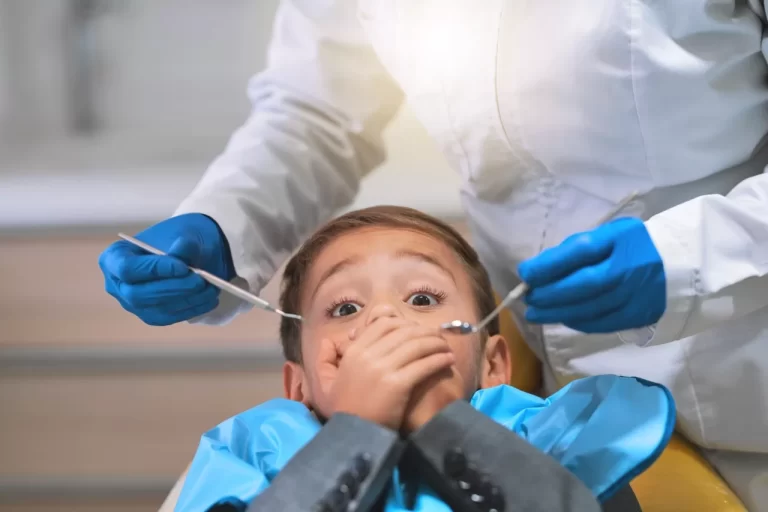
Some children need more than nitrous oxide or a gentle chairside manner. When dental anxiety runs deep, when treatment needs are extensive, or when a child simply cannot cooperate for dental work, IV sedation makes safe, complete dental care for children possible.
At Pediatric Sedation Center of Georgia, IV sedation for children is our specialty. A board-certified anesthesiologist is present for every pediatric dental procedure, monitoring your child continuously from the moment sedation begins until your child is awake and ready to go home.
What Is Intravenous Sedation in Pediatric Dentistry?
Intravenous (IV) sedation delivers sedative medication directly into your child's bloodstream through a small needle in your child's arm or hand. Unlike oral sedation, which takes time to absorb and can be unpredictable, IV sedation works within seconds. The anesthesiologist controls exactly how much medication your child receives and can adjust the sedation level throughout your child's dental procedure.
Children under IV sedation fall asleep quickly and stay asleep until dental treatment is complete. Your child feels no pain, doesn't move during dental procedures, and typically wakes with no memory of the dental appointment. For parents of anxious children, this means one calm dental visit instead of multiple stressful appointments.
Understanding Levels of Sedation in Pediatric Dentistry
Not every child needs the same type of sedation for dental work. Pediatric dentistry offers several options depending on your child's age, anxiety level, and the complexity of the dental procedure:
Nitrous oxide (also known as laughing gas) provides mild sedation. Your child breathes through a mask and feels relaxed but stays fully awake. It's appropriate for healthy children with mild anxiety during simple dental visits. The effects wear off within minutes.
Oral sedation uses a mild sedative given by mouth before the appointment. Your child becomes drowsy and calm but may still be partially aware. Oral sedation works well for moderate anxiety but is less predictable than IV sedation because absorption varies between children.
IV sedation delivers moderate to deep sedation with precise control. The anesthesiologist adjusts medication in real time based on your child's response. Most children sleep through their dental procedure and wake with no memory of the dental work.
General anesthesia produces complete unconsciousness. It's reserved for extensive dental surgery, children with complex medical needs, or situations requiring a hospital setting with additional resources.
What is the safest type of sedation for children? The answer depends on your child's specific situation. For healthy children with mild dental needs and minimal anxiety, nitrous oxide provides an excellent dental experience with virtually no risk. For children who need deeper sedation, IV sedation administered by a board-certified anesthesiologist is both safe and effective.
At our pediatric dental office, we specialize in IV sedation because it offers the control and reliability that anxious children, uncooperative children, and extensive dental procedures require. For children whose dental needs go beyond what nitrous oxide or oral sedation can manage, IV sedation provides a pain-free experience with predictable results.
Your child's age, medical history, and the scope of dental treatment all factor into which type of sedation is appropriate. During consultation, our pediatric dentist and anesthesiologist evaluate your child's specific situation and recommend the safest approach for your child's dental care.
When Is IV Sedation Recommended for Kids?

IV sedation isn't necessary for every child or every dental procedure. Our pediatric dentist and anesthesiologist recommend pediatric sedation when:
Dental anxiety prevents treatment. Some children are too fearful to sit in the dental chair, no matter how patient the dentist. Previous bad experiences, sensory sensitivities, or general anxiety can make traditional dental visits impossible. When a child may become distressed or panicked, sedation helps your child feel calm and safe.
Treatment needs are extensive. Multiple cavities, crowns, extractions, or other dental procedures that would normally require several appointments can be completed in one visit under IV sedation. Your child receives complete dental care without repeated trips to the dental office.
Your child has special needs. Children with autism, sensory processing disorders, or other conditions often struggle with the dental office environment. IV sedation removes that barrier entirely, allowing your child to receive necessary dental treatment comfortably.
Your child is very young. Toddlers and young children may lack the developmental ability to cooperate for dental work. Pediatric dental sedation allows your child to receive the dental care they need without trauma.
Nitrous oxide isn't enough. Laughing gas works well for children with mild anxiety undergoing minor dental procedures. When it doesn't adequately manage your child's fear or keep your child still for dental work, the need for sedation at a deeper level becomes clear. IV sedation provides that deeper, more reliable sedation for your child.
For many families, IV sedation means their child can finally receive the dental care they need after failed attempts with lighter sedation methods or behavioral approaches at other dental offices.
Is IV Sedation Dentistry Safe for Kids?
Yes—when administered by qualified professionals with proper monitoring. The key phrase is "when done correctly."
At our sedation center, safety measures include:
- Board-certified anesthesiologist present for every IV sedation procedure—not a dentist with weekend training, but a physician who completed residency in anesthesiology
- Continuous monitoring of your child's heart rate, blood pressure, oxygen saturation, CO2, and breathing throughout the dental procedure
- Emergency equipment and medications ready before any sedation begins
- Thorough medical history review to ensure your child is a good candidate for pediatric sedation
- American Academy of Pediatrics and American Academy of Pediatric Dentistry guidelines followed completely
What are the risks? Like any medical procedure, IV sedation and general anesthesia carry potential risks:
- Respiratory changes requiring monitoring and occasional intervention
- Nausea as the sedative wears off
- Prolonged drowsiness after the dental procedure
- Rare allergic reactions to medications
These risks are minimized through proper patient selection, continuous monitoring, and having trained professionals ready to respond. The anesthesiologist's sole focus during your child's dental procedure is watching your child for any changes and responding immediately.
For most children, the risks of leaving dental disease untreated—infection, pain, damage to developing permanent teeth, and the psychological impact of repeated traumatic dental visits—outweigh the risks of sedation performed by qualified professionals.
Your child's oral health matters. When dental anxiety or extensive dental treatment needs prevent your child from receiving care, IV sedation removes that barrier safely.
For a deeper look at pediatric sedation safety protocols and what to ask any sedation provider, see our guide: Is Pediatric Dental Sedation Safe?
What to Expect Before and After IV Sedation
Before the appointment:
- Nothing to eat or drink after 11pm the night before
- Dress your child in comfortable clothes with a short-sleeve shirt underneath for easy IV access
- Bring two adults—one to drive, one to watch your child on the way home from the dental office
- Tell us about any illness, medications, or changes to your child's health or medical history
During the procedure: Your child will spend time in our kid-friendly pre-op area before moving to the sedation suite. Once the IV sedation is started, your child falls asleep quickly. You'll wait in our dedicated waiting room while our pediatric dental team keeps you updated on your child's dental procedure. The moment your child moves to recovery, you'll join your child.
After sedation: Expect your child to be groggy for 2-4 hours after the dental procedure. Your child may be emotional or unsteady as the sedation wears off. Plan for your child to rest the remainder of the day. Most children feel completely normal by the next morning after pediatric dental sedation. Your child can typically return to normal activities the following day.
Will my child remember the dental procedure? Most children have no memory of their dental visit after IV sedation. They fall asleep, wake up with their dental work complete, and that's their entire dental experience. This memory-free aspect helps anxious children approach future dental visits without fear from past experiences.
For complete preparation instructions, see Preparing for Sedation.
Benefits of IV Sedation for Pediatric Dental Procedures
Complete dental treatment in one visit. Instead of spreading your child's dental work across multiple appointments at the dental office, all dental procedures get done at once. One recovery, one day of rest, done.
No traumatic memories for your child. Children wake up with their dental problems fixed and no memory of the dental procedure. Future dental visits become easier for your child because there's no dental anxiety or fear to overcome from this dental treatment.
Precise, accurate dental work. When your child is completely still under IV sedation, the pediatric dentist can complete dental procedures efficiently and accurately. No stopping for breaks, no managing a squirming child during dental treatment.
Access to dental care for your child. For children who couldn't receive dental treatment any other way, IV sedation for children opens a door that would otherwise stay closed. Your child deserves pediatric dental care regardless of dental anxiety or special needs.
When local anesthesia alone isn't enough to keep your child comfortable and still, IV sedation makes safe and effective dental treatment possible.
IV Sedation vs General Anesthesia
IV sedation and general anesthesia for children overlap but aren't identical. Understanding the difference helps you make informed decisions about your child's dental care.
With IV sedation, children experience deep sedation but may still have some protective reflexes. The anesthesiologist adjusts medication levels throughout the procedure. This type of sedation is appropriate for most pediatric dental cases and doesn't require a hospital setting.
General anesthesia produces complete unconsciousness with no reflexes. It's used for longer procedures, children with complex medical needs, or when hospital-level resources should be immediately available. Some children with significant medical conditions may be safer with sedation or general anesthesia in a hospital setting rather than an office environment.
Both sedation and general anesthesia are safe when performed by qualified professionals. Our anesthesiologist recommends the appropriate level based on your child's health, your child's age, and treatment needs.
Schedule a Consultation
If your child needs dental work but can't tolerate traditional dental treatment, IV sedation for children may be the answer. Call us at 470-395-2524 to schedule a consultation at our pediatric dental office. We'll review your child's dental needs, answer your questions about pediatric dental sedation, and help you understand whether IV sedation is right for your child's dental care.
Every child deserves access to quality dental care for children. When anxiety or other barriers stand in the way, we're here to help your child receive the treatment they need in a safe, comfortable environment.
For general information about our sedation services, visit Pediatric Dental Sedation.
Pediatric Sedation Center of Georgia
8180 Mall Parkway, Suite 810
Stonecrest, GA 30038