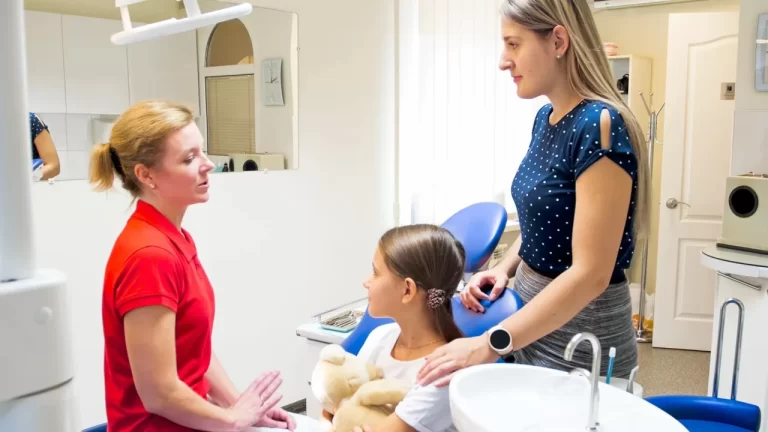
Signs Your Child May Need Dental Sedation

Not every child who dislikes the dentist needs sedation. But some children struggle so much with dental visits that traditional approaches simply don't work. For these children, sedation dentistry isn't about convenience—it's about making necessary dental care possible.
How do you know if your child is one of them? Here are the signs that indicate your child may benefit from sedation at the dentist.
When Is Dental Sedation Recommended for Children?
A pediatric dentist may recommend sedation when a child cannot receive dental treatment safely or effectively while awake. This isn't a failure on anyone's part—some children simply need extra help to get through dental procedures, and sedation provides that help.
Sedation dentistry is commonly recommended for children who experience severe dental anxiety, have special healthcare needs, require extensive dental work, or are too young to cooperate for treatment. The goal is always the same: ensuring your child receives the dental care they need without trauma.
At Pediatric Sedation Center of Georgia, we specialize in helping children who struggle with dental visits. Our board-certified team evaluates each child individually to determine whether sedation is the right choice for your child's situation.
7 Signs Your Child May Benefit from Sedation Dentistry
1. Extreme Dental Anxiety or Fear
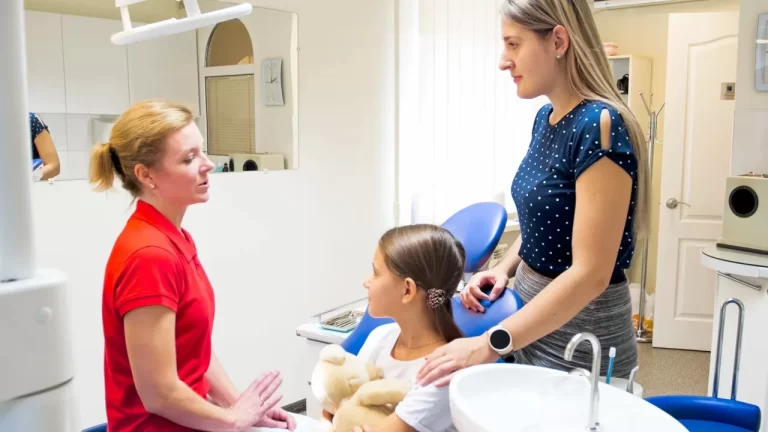
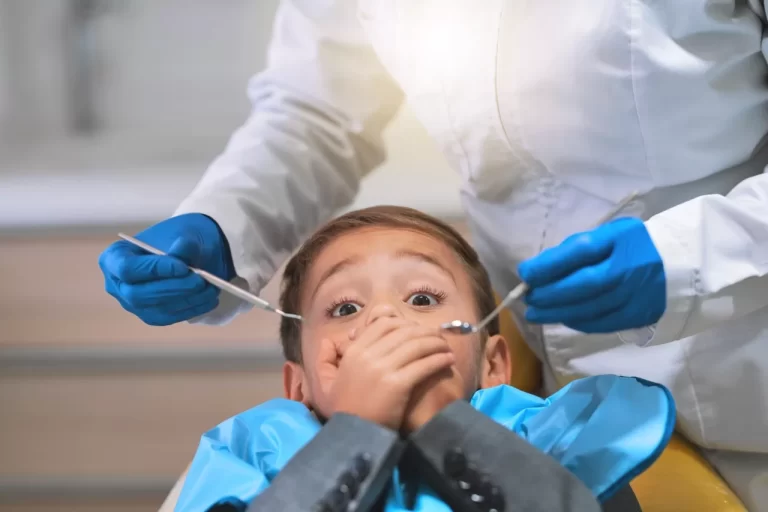
All children feel some nervousness about dental visits. But when your child's fear goes beyond normal anxiety—crying for days before appointments, refusing to open their mouth, or having panic attacks in the dental chair—that's a sign sedation may help.
Dental anxiety in children can stem from many sources: fear of pain, fear of the unknown, sensory sensitivities, or simply an anxious temperament. Whatever the cause, severe dental fear makes it impossible for the dentist to work safely. Sedation helps your child feel calm and allows the dental team to provide care without forcing a terrified child to endure it.
Signs of extreme dental anxiety include:
- Refusing to enter the dental office
- Inconsolable crying before or during appointments
- Physical resistance (kicking, biting, clamping mouth shut)
- Nightmares or sleep problems before dental visits
- Panic symptoms (hyperventilating, trembling, nausea)
2. Difficulty Sitting Still During Dental Procedures
Dental work requires children to stay relatively still for extended periods. Some children simply cannot do this—not because they're misbehaving, but because their bodies won't cooperate.
Young children especially struggle with sitting still. Their attention spans are short, their impulse control is still developing, and asking them to hold a position for 30 minutes or more is often unrealistic. Children with ADHD face similar challenges regardless of age.
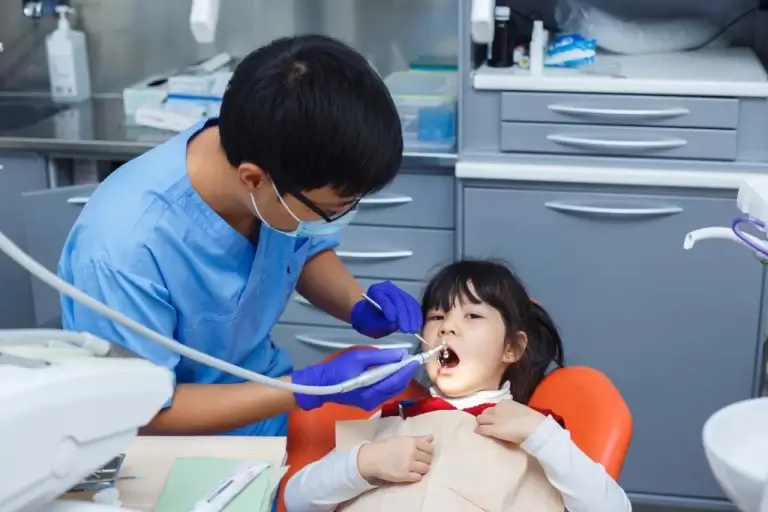
When a child can't stay still, the dentist can't work safely. Sudden movements during dental procedures can lead to injury. Sedation allows your child to remain calm and still, letting the pediatric dentist complete treatment accurately.
3. A Strong Gag Reflex
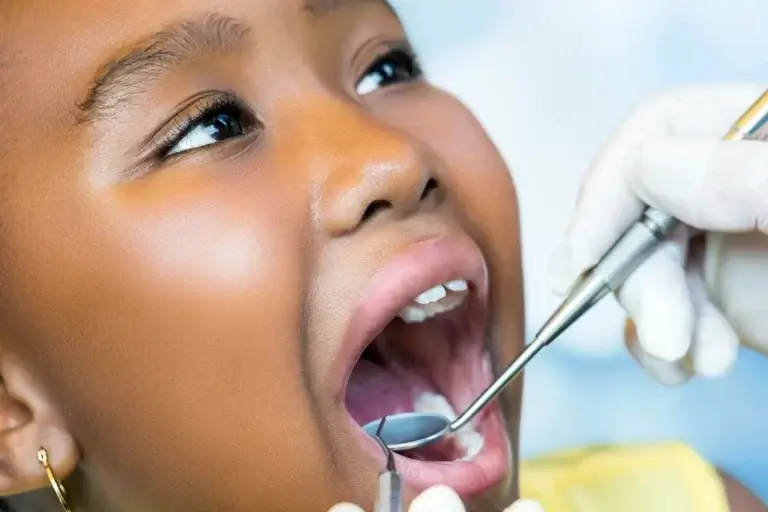
Some children have hypersensitive gag reflexes that trigger the moment anything enters their mouth. This makes dental treatment extremely difficult—the child gags repeatedly, the dentist has to stop constantly, and simple procedures become lengthy ordeals.
A strong gag reflex isn't something your child can control through willpower. It's a physical response. Sedation helps relax the gag reflex, making dental procedures much easier for both your child and the dental team.
4. Past Traumatic Dental Experiences
Children who've had painful or frightening dental experiences often develop lasting dental fear. A previous procedure that hurt, a dentist who didn't listen, or an emergency dental situation can all create associations that make future dental visits terrifying.
Once dental trauma occurs, it's hard to undo. Your child's brain has learned that the dentist equals danger. Sedation dentistry can break this cycle by giving your child a positive dental experience—one where they fall asleep and wake up with the work done, no fear required.
Over time, these positive sedation experiences can help reduce your child's dental anxiety about future dental care.
5. Special Healthcare Needs
Children with special healthcare needs often require sedation for dental treatment. This includes children with:
- Autism spectrum disorder
- Sensory processing disorders
- Developmental delays
- Cerebral palsy or other motor disorders
- Intellectual disabilities
- Severe anxiety disorders
These children may struggle with the sensory aspects of dental care (bright lights, loud sounds, unfamiliar textures), have difficulty understanding or following instructions, or be unable to communicate discomfort. Sedation removes these barriers, ensuring your child receives necessary dental care in a safe, comfortable way.
At our sedation center, we have extensive experience working with children with special needs. We understand that every child is different, and we tailor our approach accordingly.
6. Multiple or Complex Dental Procedures Needed
When your child needs extensive dental work—multiple fillings, crowns, extractions, or other procedures—sedation often makes the most sense. Rather than spreading treatment across many appointments (each one potentially traumatic), sedation allows the pediatric dentist to complete all necessary work in a single visit.
This approach benefits children in several ways:
- One appointment instead of many
- One recovery period instead of multiple
- No building dread before each subsequent visit
- Complete treatment without gaps that could worsen dental problems
If your child needs multiple dental procedures, ask your pediatric dentist whether sedation might be appropriate.
7. Very Young Age
Toddlers and very young children often cannot cooperate for dental procedures—not because they're difficult, but because they're developmentally incapable of it. A two-year-old doesn't understand why they need to hold still while someone puts tools in their mouth.
When young children need dental treatment beyond basic cleanings, sedation is frequently the safest option. It allows the dentist to work efficiently while your child sleeps, avoiding the stress and potential injury that can come from trying to treat an uncooperative toddler.
Sedation dentistry for young children is safe when performed by qualified professionals with proper monitoring. Our board-certified anesthesiologist has extensive experience with pediatric sedation across all age groups.
Is Dental Sedation Safe for Kids?
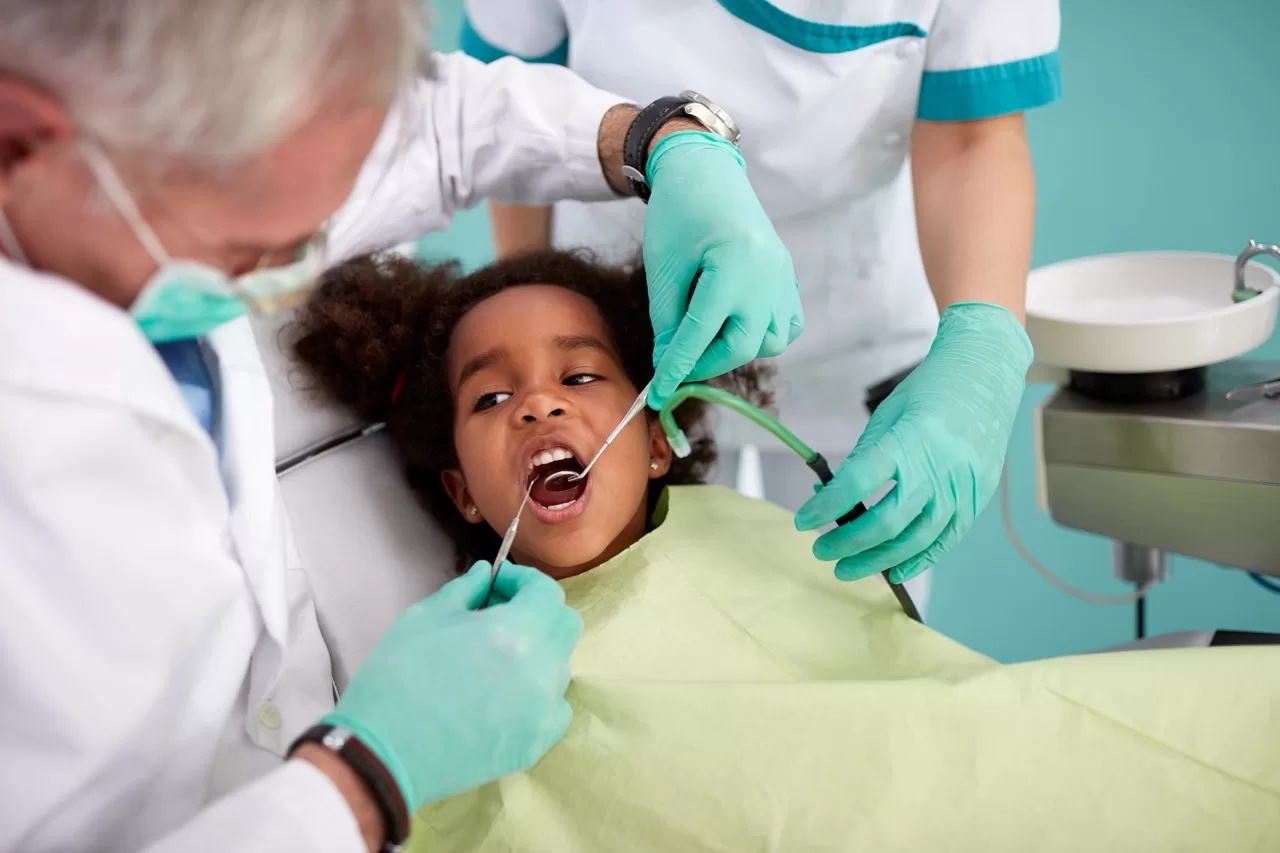
Yes—when performed by qualified professionals using proper protocols. The key phrase is "when done correctly."
Safe pediatric sedation requires:
- A board-certified anesthesiologist or properly trained sedation provider
- Continuous monitoring of vital signs throughout the procedure
- Emergency equipment and medications immediately available
- Thorough pre-procedure screening to identify any risk factors
- Adherence to American Academy of Pediatrics and American Academy of Pediatric Dentistry guidelines
At Pediatric Sedation Center of Georgia, we exceed these standards. A board-certified anesthesiologist is present for every sedation procedure, monitoring your child from start to finish. We follow AAP and AAPD guidelines completely, and we screen every child carefully to ensure sedation is appropriate.
For detailed information about our safety protocols, see Is Pediatric Dental Sedation Safe?
Types of Sedation Used in Pediatric Dentistry
Different levels of sedation serve different needs:
Nitrous oxide (laughing gas) provides mild sedation. Children breathe through a mask and feel relaxed but remain fully awake. It works well for mild dental anxiety during simple procedures.
Oral sedation uses medication given by mouth to create moderate sedation. Children become drowsy and calm but may still be partially aware.
IV sedation delivers medication directly into the bloodstream. Children fall asleep quickly and typically wake with no memory of the dental procedure. This is what we use most often for children who need deeper sedation.
General anesthesia produces complete unconsciousness. It's used for extensive dental work or children with complex medical needs.
Your pediatric dentist will recommend the appropriate type based on your child's needs, the procedures required, and your child's medical history.
What to Do If You Notice These Signs

If your child shows signs of needing sedation for dental work, the first step is a consultation. We'll evaluate your child's specific situation—their dental needs, anxiety level, medical history, and any special considerations—and discuss whether sedation is appropriate.
Not every anxious child needs sedation. Sometimes behavioral techniques, gradual desensitization, or simply finding the right pediatric dentist can help. But when those approaches haven't worked, sedation dentistry provides a path forward.
Your child deserves dental care that doesn't traumatize them. If traditional dental visits have been a struggle, sedation may be the solution that helps your child get the dental treatment they need while building positive associations with dental care.
Schedule a Consultation
If you've recognized your child in any of these signs, call us at 470-395-2524 to schedule a consultation. We'll discuss your child's needs, answer your questions about sedation dentistry for kids, and help you decide if sedation is right for your child.
For general information about our sedation services, visit Pediatric Dental Sedation. For preparation instructions, see Preparing for Sedation.
Pediatric Sedation Center of Georgia
8180 Mall Parkway, Suite 810
Stonecrest, GA 30038