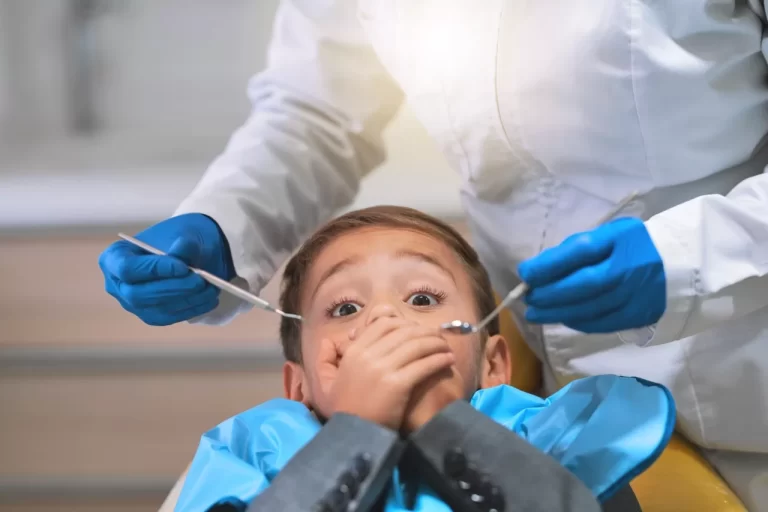
What Happens During Your Child's Sedation Appointment

You've scheduled your child's dental sedation appointment. Now you want to know exactly what will happen when you arrive at the dental office. Understanding the sedation process step by step helps both you and your child feel prepared for what to expect during this dental visit.
At Pediatric Sedation Center of Georgia, we walk families through every step of the sedation dentistry experience. Here's what happens during your child's sedation appointment, from the moment you arrive until your child is heading home.
Arriving at the Dental Office
When you arrive for your child's sedation dentistry appointment, you'll check in with our front desk staff. They'll confirm a few details about your child: when your child last ate or drank, any changes to your child's medical history since your consultation, and verify that you've brought two adults (one to drive, one to monitor your child on the way home).
This check-in process typically takes 5-10 minutes. Your child doesn't need to feel anxious about going to the dentist—our dental office is designed to help your child feel calm and relaxed, not clinical. The waiting area has toys and activities to keep young patients comfortable while they wait.
Before the Procedure: The Pre-Op Area
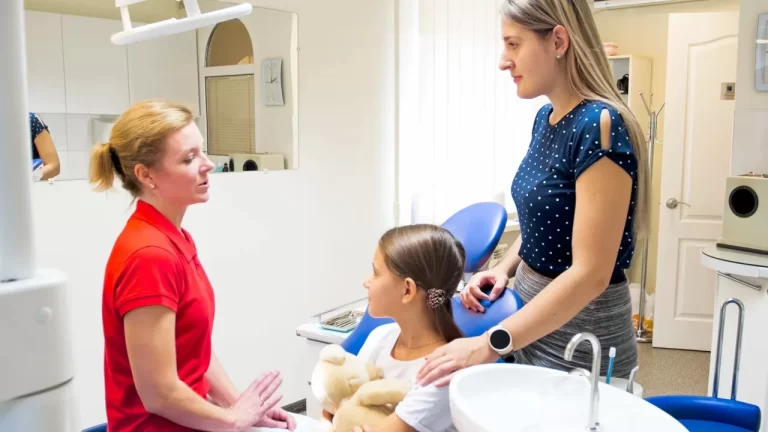
After check-in, your child moves to our pre-op area. This kid-friendly space has TVs, toys, and comfortable seating to help your child stay calm before the dental procedure begins.
During this time, a member of our dental team will:
- Review your child's medical history one final time
- Confirm fasting instructions were followed (nothing to eat or drink after 11pm)
- Take your child's vital signs including heart rate and blood pressure
- Answer any last-minute questions you have about your child's dental care
- Explain what your child can expect in simple, age-appropriate terms
This is also when you'll meet the anesthesiologist who will administer sedation and monitor your child throughout the procedure. They have specialized training in pediatric sedation and will review the sedation plan and explain how they'll keep your child safe during the dental procedure.
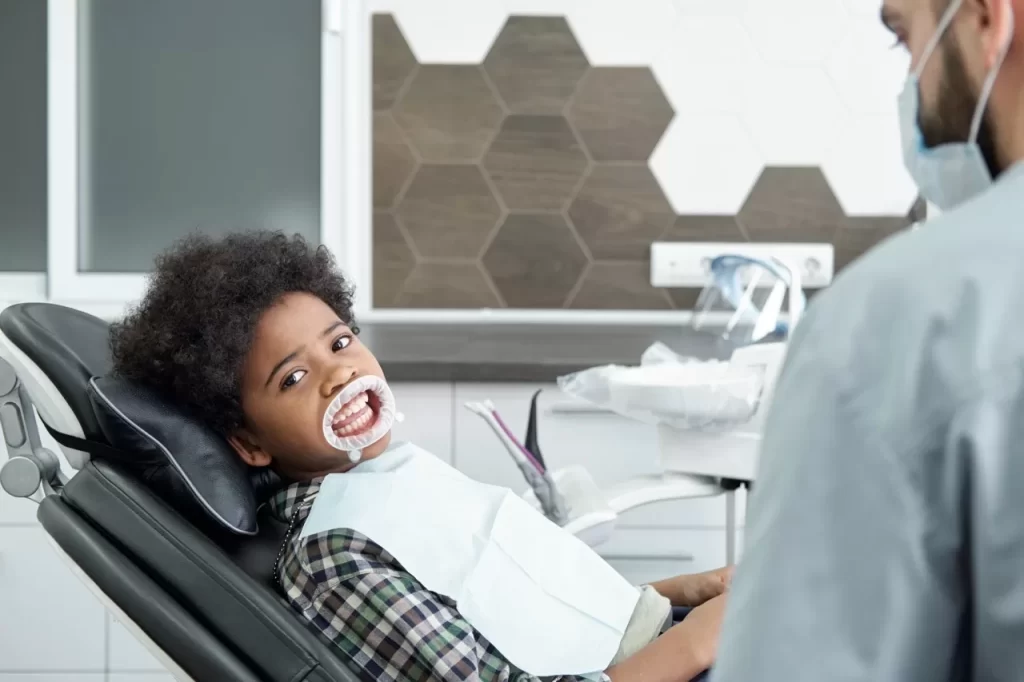
How Does Sedation Dentistry Work for Kids?
The type of sedation your child receives determines how it's administered. Pediatric dentistry uses several sedation options depending on your child's needs and level of dental anxiety.
Nitrous Oxide (Laughing Gas): For children with mild dental anxiety, many pediatric dentists offer nitrous oxide. Your child breathes through a small mask over their nose and the child remains awake but relaxed. This sedation type is commonly used in pediatric dentistry for simple procedures. Effects wear off within minutes after the mask is removed.
Oral Sedation: Oral conscious sedation involves giving your child sedative medication by mouth before the dental appointment. Your child becomes drowsy but child may still be partially aware during the procedure. This sedation for children works well for moderate anxiety.
IV Sedation: At our sedation center, we specialize in IV sedation for children who need deeper sedation than nitrous oxide or oral sedation can provide. A small needle is placed in your child's arm or hand. This is the brief moment that may cause some discomfort—but it's quick. Once the IV line is in place, the anesthesiologist delivers medication directly into the bloodstream. Your child falls asleep within seconds.
One of the benefits of sedation dentistry with IV sedation is precise control. The anesthesiologist can adjust the level of sedation throughout the procedure, ensuring your child stays comfortable and completely still for the entire dental appointment.
General Anesthesia: For extensive dental work or children with complex medical needs or special needs, sedation or general anesthesia produces complete unconsciousness. This may take place at our center or in a hospital setting with an anesthesiologist in a hospital depending on your child's specific situation and oral health needs.
What Happens During the Dental Procedure?
Once your child is sedated, you'll move to our waiting area. For your child's safety and the dental team's concentration, parents cannot be present in the sedation suite during the dental procedure.
What your child experiences: Nothing. Children under IV sedation sleep through the entire dental procedure. Your child won't feel pain, won't move, and won't remember anything about the procedure afterward. Sedation can help your child get through dental treatment without trauma—they simply won't remember anything about the dental work.
What the dental team does:
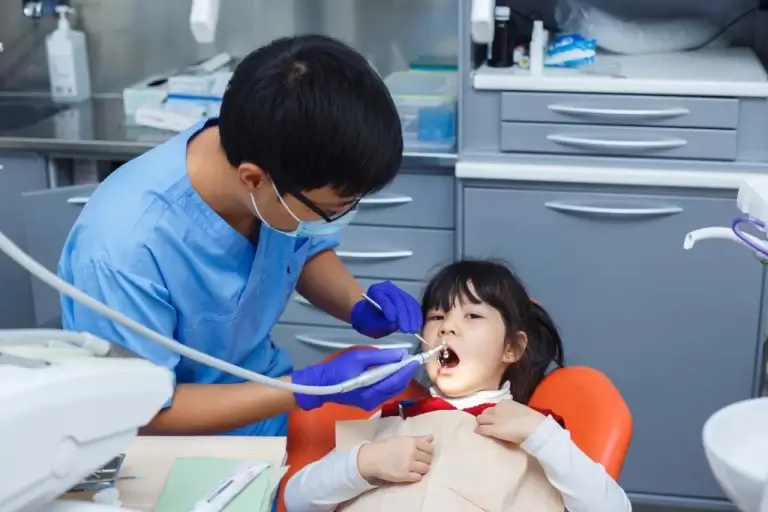
- The pediatric dentist completes all planned dental treatment—fillings, crowns, extractions, or whatever dental care your child needs according to the treatment plan
- The anesthesiologist monitors your child's vital signs continuously throughout the procedure: heart rate, blood pressure, oxygen levels, breathing, and temperature
- A dedicated team member watches the monitors throughout the procedure, ready to respond to any changes in your child's condition
How long does the dental procedure take? Most sedation appointments last 1-3 hours depending on how much dental work your child needs. Your child's dentist will provide a time estimate during your consultation.
Staying informed while you wait: Our staff provides updates throughout the procedure so you're never left wondering what's happening with your child's dental appointment. You'll know when the dental work begins, how things are progressing, and when your child is moving to recovery.
How Long Does It Take for Sedation to Wear Off a Child?
When dental treatment is complete, the anesthesiologist stops the sedation medication. Your child doesn't wake up instantly—the sedation wears off gradually.
What to expect as sedation wears off:
- Grogginess and confusion at first as your child wakes from the sedation
- Your child may not recognize you immediately (this is normal)
- Crying, irritability, or emotional outbursts—every child reacts differently to sedation
- Some children try to remove monitoring equipment—staff will help
You'll join your child in recovery as soon as they begin waking. Having a familiar face there helps your child feel comfortable. Recovery at our dental office typically takes 30-60 minutes, depending on how your child reacts to the sedation wearing off.
Every child responds differently to sedation. Some children wake up calm; others are upset. Both reactions are normal and temporary. Our dental team has seen it all and knows how to help your child through recovery from the sedation dentistry visit.
Going Home After Your Child's Dental Sedation
When your child is stable and alert enough to leave the dental office, we'll deliver your child to your car in a wheelchair. Your child shouldn't walk—coordination takes time to return after pediatric sedation.
On the drive home:
- One adult drives; the other monitors your child in the back seat
- Keep the car doors locked
- Watch for any breathing changes or excessive drowsiness in your child
The first few hours at home:
- Your child should rest—no school, daycare, or activities
- Someone must monitor your child constantly until the sedation fully wears off
- Start with clear liquids, then soft foods when your child feels ready
- No running, climbing, or anything requiring balance until your child is fully recovered
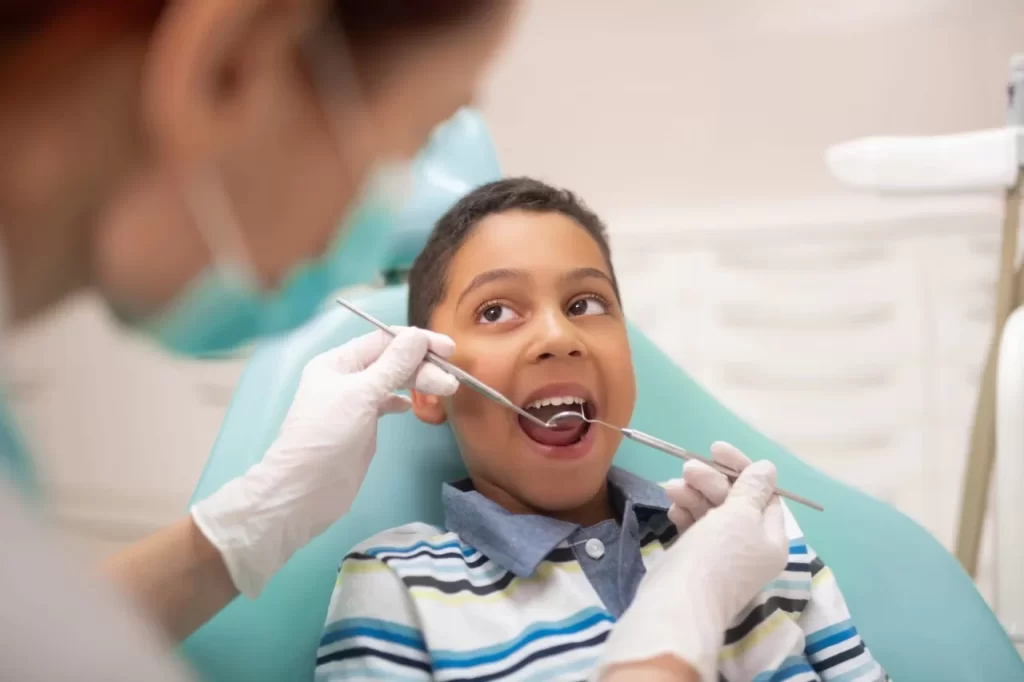
What Are the Side Effects of Dental Sedation in Kids?
Most side effects from pediatric dental sedation are mild and temporary. Here's what to expect after your child's sedation dentistry visit:
Common side effects (expected):
- Drowsiness for 2-6 hours after the procedure—your child may feel like taking a nap
- Emotional changes—crying, irritability, mood swings as your child recovers
- Dizziness or unsteadiness when your child tries to walk
- Mild nausea (less common with proper fasting before the sedation appointment)
- Your child won't remember anything about the dental procedure
How long does sedation last in children? The deepest effects of sedation wear off within 2-4 hours. However, your child may feel tired or "off" for the rest of the day after the sedation for dental procedures. Most children feel completely normal by the next morning and can return to regular dental visits and their normal routine.
What to Expect After Child Sedation: When to Call the Dentist
Call 911 right away if your child has:
- Difficulty breathing or noisy breathing
- Lips or fingernails turning blue
- Inability to wake your child or get a response
While complications after pediatric dental sedation are rare when administered by trained professionals with specialized training, you should contact your child's dentist immediately if your child experiences:
- Fever over 101°F
- Vomiting that won't stop
- Anything that concerns you about your child's condition after the sedation
We'd rather receive a call that turns out to be nothing than have you worry alone about your child. Our dental team is available after your child's sedation appointment to answer questions about your child's recovery.
Is Sedation Dentistry Safe for Children?
Yes—sedation dentistry is safe for children when administered by trained professionals following proper protocols. This type of sedation used in pediatric dentistry requires careful monitoring and qualified providers. At our pediatric sedation center, safety measures include:
- Board-certified anesthesiologist present to sedate and monitor every child
- Continuous monitoring of your child's vital signs throughout the procedure
- Following American Academy of Pediatric Dentistry and American Society of Anesthesiologists guidelines
- Emergency equipment and medications ready before any procedure
Sedation dentistry for kids has helped thousands of young patients receive children's dental care they couldn't otherwise tolerate. For detailed information about whether sedation is safe for your child, see Is Pediatric Dental Sedation Safe?
Your Child Is in Good Hands
At Pediatric Sedation Center of Georgia, we've guided thousands of families through the sedation dentistry process. Our board-certified anesthesiologist monitors your child from start to finish. Our pediatric dentist completes your child's dental care efficiently and thoroughly. And our dental team keeps you informed every step of the way about your child's procedure and oral health.
Sedation can help your child get the dental treatment they need without fear or trauma. Whether sedation is right for your child depends on their dental needs, their level of dental anxiety, and your child's overall health. When sedation is done right—with proper monitoring, qualified professionals, and clear communication—it transforms what could be a difficult dental visit into a smooth experience for your child.
Ready to schedule your child's consultation? Call us at 470-395-2524. We'll answer your questions about what to expect during your child's sedation appointment and help you understand whether sedation is the right choice for your child's dental care.
For preparation instructions, see Preparing for Sedation. For answers to common questions, visit Pediatric Sedation FAQs.
Pediatric Sedation Center of Georgia
8180 Mall Parkway, Suite 810
Stonecrest, GA 30038