How to Help Your Child with Dental Anxiety

Your child is afraid of the dentist. Maybe they cry before dental appointments, refuse to open their mouth in the dental chair, or beg you not to go. Dental anxiety in children is more common than most parents realize — research suggests roughly 1 in 4 children experience dental anxiety at some level. For some kids it's mild nervousness that fades with a few positive dental visits. For others, the anxiety and fear is severe enough that it prevents them from getting the dental care they need.
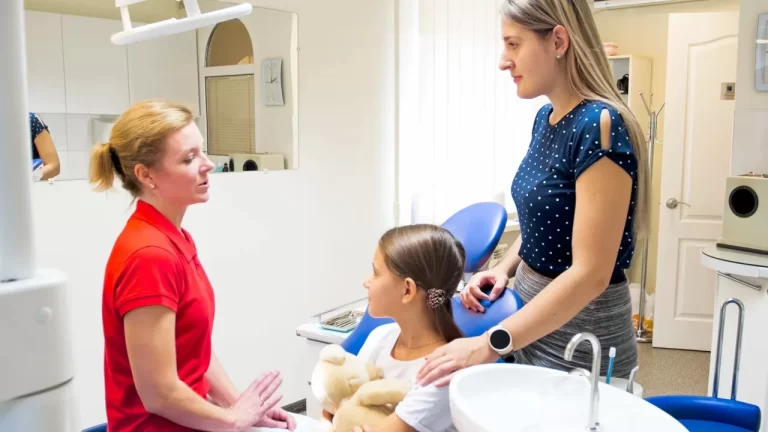
If your child struggles with dental anxiety, you can help before, during, and between appointments. Below are common causes, signs to watch for, practical ways to reduce anxiety, and when sedation may be appropriate.
What Is Dental Anxiety in Children?
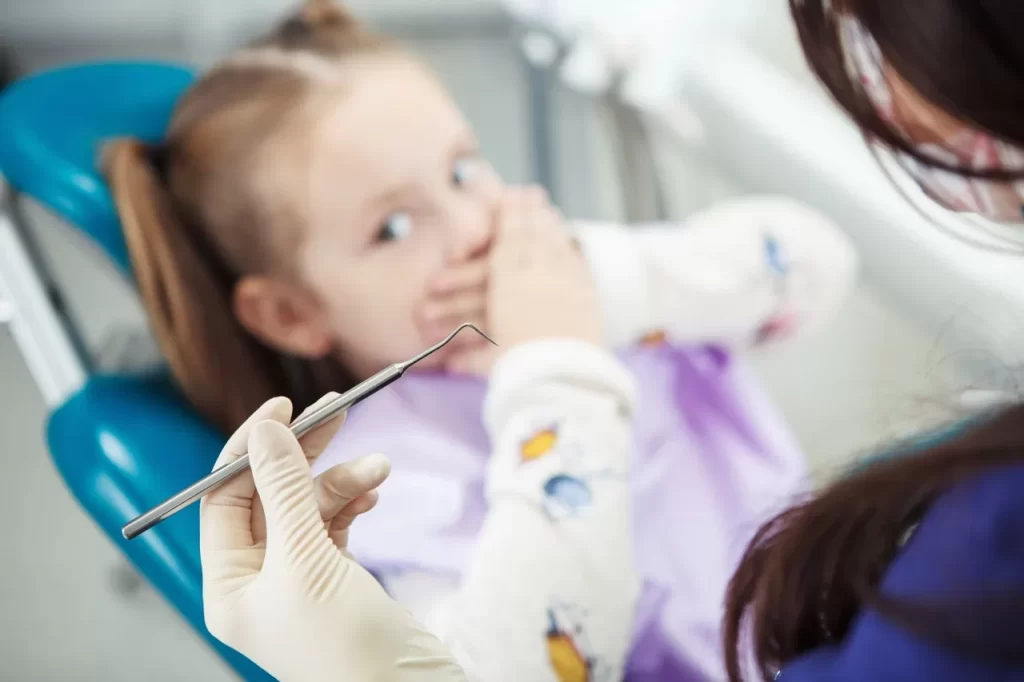
Dental anxiety is the fear, nervousness, or dread a child feels about going to the dentist or having a dental procedure done. It goes beyond the normal mild unease many children feel in an unfamiliar dental environment. A child with true dental anxiety may experience intense emotional and physical responses — crying, shaking, refusing to cooperate, or even panic — when faced with a dental visit.
Dental anxiety in children exists on a spectrum. On one end, a child might feel nervous but manage to get through the dental appointment with some encouragement. On the other end, a child with severe dental anxiety or dental phobia cannot tolerate the dental experience at all, no matter what the pediatric dentist or parent tries. Understanding where your child falls helps you figure out the right approach — whether that's behavioral tips, a change in pediatric dental practice, or professional help like sedation dentistry.
Why Children Develop Dental Anxiety and Fear
Children develop dental fear for different reasons, and knowing the causes of dental anxiety helps you address it more effectively. Here are the most common reasons for dental anxiety in children:
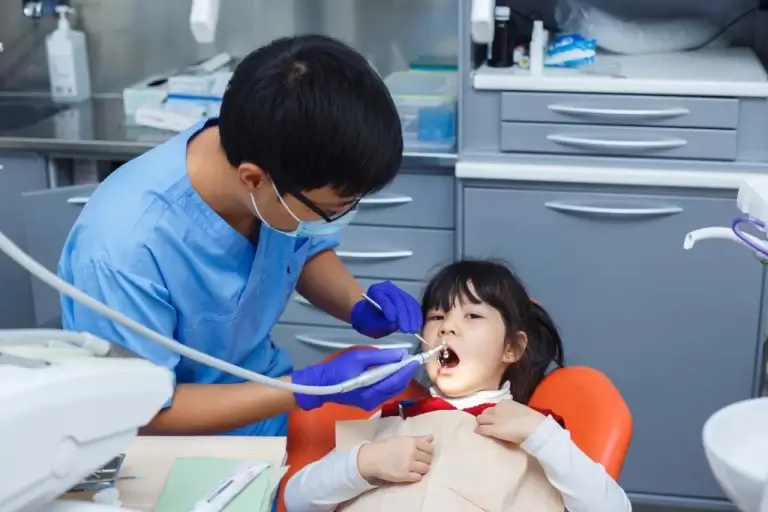
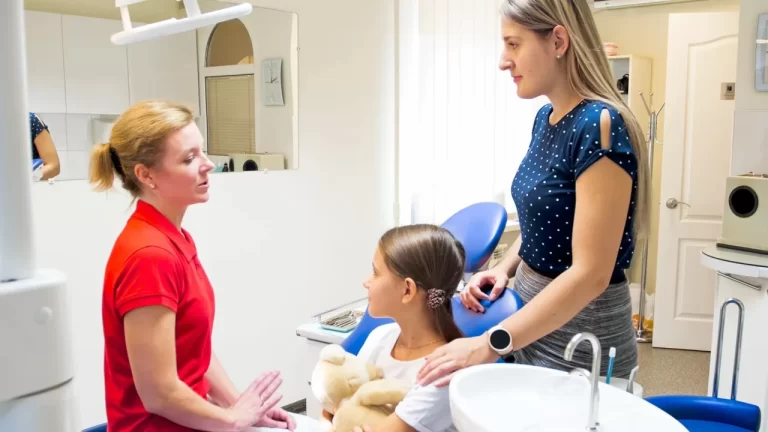
Fear of the unknown. Children who have never been to the dentist don't know what to expect. The dental office can be overwhelming for some children — unfamiliar sounds, smells, and equipment everywhere. The dental chair tips backward. Strangers in masks put instruments in their mouth. For a young child experiencing this for the first dental visit, the entire dental experience feels scary simply because it's new.
A previous bad experience at the dentist. This is one of the biggest causes of dental anxiety in kids. A painful dental procedure, an impatient dental team, being held down for dental treatment, or a dental visit where something unexpected happened — any of these can create lasting fear. Once a child associates the dentist with pain or loss of control, every future dental appointment triggers that same anxiety. One bad experience at the dentist can take many positive dental experiences to undo.
Picking up on a parent's dental fear. Children are perceptive. If you have your own dental anxiety — even if you try to hide it — your child might pick up on your tension before going to the dentist. Your body language, tone of voice, and offhand comments about your own experiences at the dentist shape how your child feels about their dental care. Managing dental anxiety in yourself helps prevent dental anxiety in your child.
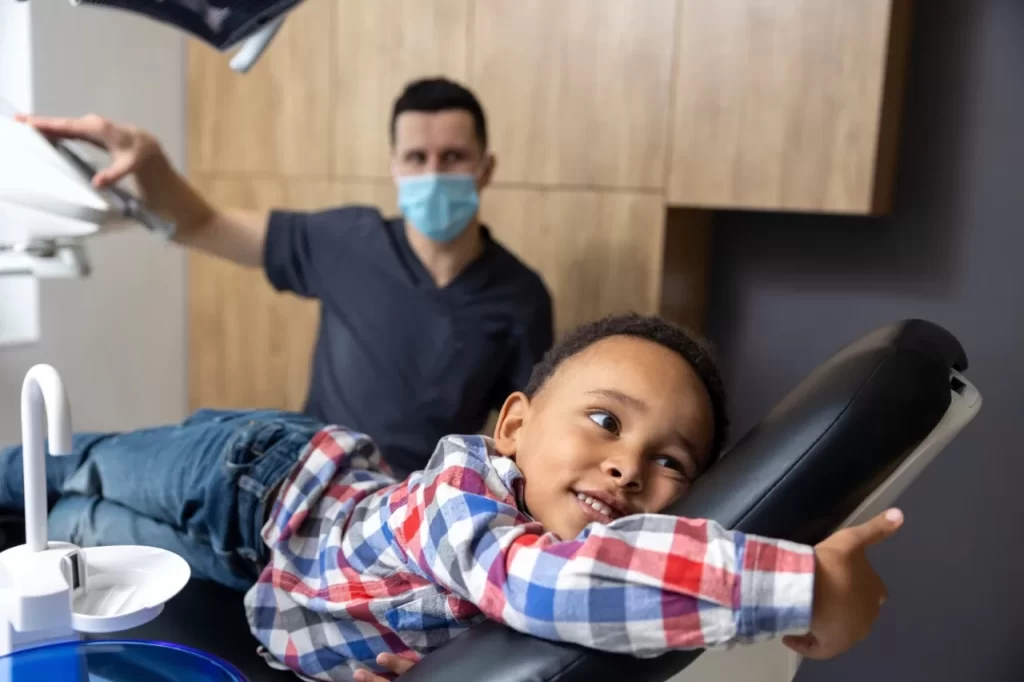
Sensory overload in the dental environment. Some children find the sensory aspects of the dental office particularly difficult. The bright overhead lights, the taste of dental materials, the vibration of dental tools, the sound of the drill or suction — for children with sensory sensitivities, the dental environment can trigger severe anxiety that goes beyond simple fear of pain. The dental office can be overwhelming for these children in ways adults don't always recognize.
Loss of control. Lying back in the dental chair with your mouth open while someone works on your teeth is a vulnerable position. For a child who already struggles with anxiety, that loss of control during a dental procedure can trigger a strong fear response that makes dental visits feel unsafe.
Stories from siblings or friends. Children talk. A sibling who described their dental appointment in scary terms or a friend who told a horror story about the dentist can plant seeds of dental fear before your child ever walks into a dental office. These secondhand experiences shape a child's expectations about dental care even without any direct negative dental experience of their own.
Signs of Dental Anxiety in Your Child
Sometimes dental anxiety is obvious — the child screams and refuses to go to the dentist. But signs of dental anxiety aren't always dramatic. Watch for:
- Crying, clinging, or tantrums before or during dental appointments
- Trouble sleeping the night before a dental visit
- Stomach aches, headaches, or nausea tied to upcoming dental care
- Refusing to open their mouth or cooperate in the dental chair
- Asking repeated anxious questions about what the dentist will do
- Avoiding talking about their teeth or pretending nothing hurts to avoid a dental appointment
- Physical resistance — kicking, biting, turning their head away during a dental procedure
If you recognize these signs of dental anxiety in your child, don't dismiss them. Dental fear is real, and pushing through it without addressing the anxiety typically makes things worse over time. A child who is forced through dental visits they're not ready for can develop a dental phobia that lasts into adulthood.
How to Help Your Child Overcome Dental Anxiety
You can't eliminate dental anxiety overnight, but you can take steps to help reduce anxiety and build your child's confidence about going to the dentist. These approaches work for children with mild to moderate dental fear.
Start Dental Visits Early
The American Academy of Pediatric Dentistry recommends a child's first dental visit by age one or within six months of the first tooth. Starting early lets your child get used to the dental environment before there's any reason to be afraid. A first dental visit that consists of a gentle exam and a ride in the dental chair creates a positive dental experience — and positive associations with dental care — that set the tone for regular dental visits going forward.
If your child is older and hasn't been to the dentist yet, it's not too late. But the longer a child goes without dental visits, the more the dental office feels like foreign territory — and the more likely dental anxiety is to develop.
Choose the Right Pediatric Dentist
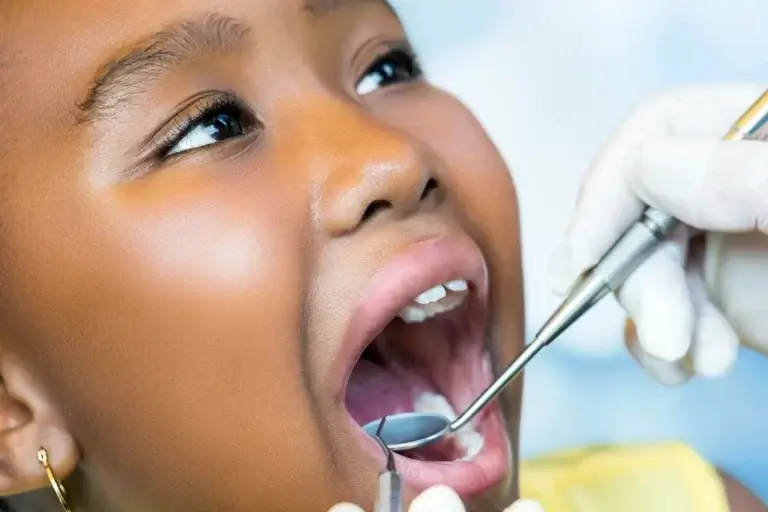
Not every dentist is equipped to help a child with dental anxiety. A pediatric dentist has additional training specifically focused on treating children and creating a welcoming dental environment for young patients. Many pediatric dental offices are designed with children in mind — a kid-friendly atmosphere with colors, activities, and a dental team that knows how to talk to scared children.
Look for a pediatric dentist whose dental team is patient, who explains dental procedures in age-appropriate language, and who doesn't rush anxious children through dental appointments. The right dentist and dental hygienist team can make dental visits feel safe. The wrong one can make dental anxiety worse and lead to avoidance of dental care altogether.
Use Honest, Simple Language
How you talk about the dentist matters more than you might think. Avoid scary language, threats ("if you don't brush, the dentist will drill your teeth"), or false promises ("it won't hurt at all"). Instead, use honest, calm language:
- "The dentist is going to count your teeth and make sure they're healthy."
- "You might feel something cold — that's the tooth cleaner."
- "If something bothers you, raise your hand and the dentist will stop."
Don't over-explain dental procedures to anxious children — too much detail can increase anxiety levels. Keep it simple, honest, and matter-of-fact. Your calm tone signals to your child that the dental appointment isn't something to be afraid of.
Build Positive Associations with Dental Care
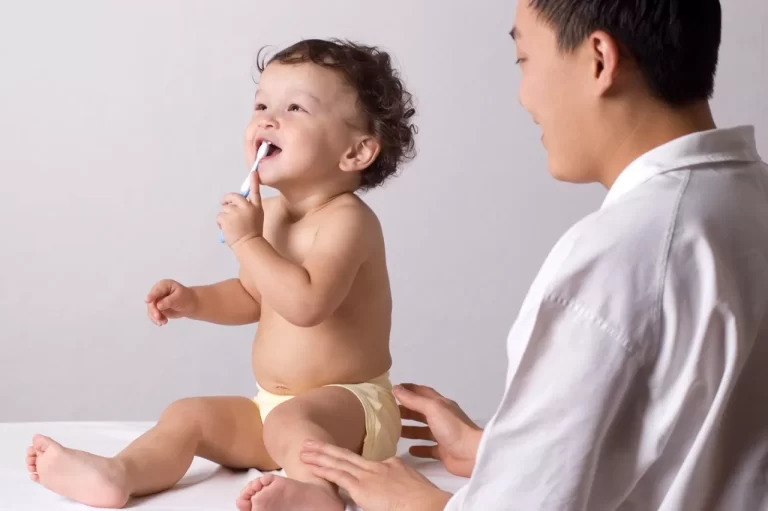
Help your child associate dental visits with positive feelings rather than fear. Read children's books about going to the dentist. Play pretend dentist at home where your child practices opening their mouth and sitting in a "dental chair." After a dental visit, celebrate the accomplishment.
These positive associations with dental care build over time. Each dental appointment that goes well — or even goes "okay" — chips away at fear and replaces it with familiarity. You're not trying to make dental visits exciting. You're trying to make them feel normal. Establishing a dental home where your child sees the same pediatric dentist and dental team regularly helps create that normalcy.
Give Your Child a Sense of Control
Much of dental anxiety comes from feeling powerless. Give your child ways to feel in control during the dental visit:
- Let them pick which chair to sit in at the dental office
- Agree on a hand signal that means "I need a break" during the dental procedure
- Let them hold a favorite toy or comfort item during the dental appointment
- Allow them to wear sunglasses if the overhead light bothers them
Small choices help your child feel less helpless during dental care. When a child knows they can pause the dental procedure by raising their hand, the experience becomes less scary because they have an exit strategy. This sense of control is one of the most effective ways to ease anxiety during dental appointments.
Don't Force It
Physically restraining a child or forcing them through a dental visit against their will can turn mild dental anxiety into a genuine dental phobia. If your child is too upset to cooperate for a dental appointment, it's okay to stop. Let the pediatric dentist know what happened. A good dental team would rather reschedule than create a traumatic dental experience.
That said, some dental treatment can't wait forever. If dental anxiety is preventing your child from getting dental care they need — cavities getting worse, untreated dental pain, dental problems progressing — then it's time to explore other options rather than continuing to avoid dental care.
When Dental Anxiety Needs More Than Tips
Sometimes behavioral strategies aren't enough. Children with severe dental anxiety, children who have had traumatic dental experiences, or children with special needs may need professional help to get through dental care.
Desensitization visits. A pediatric dentist experienced with anxious children might suggest short, non-threatening dental appointments designed to help your child gradually get used to the dental office without any dental treatment happening. These visits — just sitting in the dental chair, meeting the dental team, watching how dental tools work — help reduce dental fear over time through gradual exposure to the dental environment.
Therapy for dental anxiety. For children whose dental anxiety is part of a broader pattern of anxiety and fear, a child therapist can help. Cognitive behavioral therapy has shown real results for children dealing with dental anxiety and other specific fears. Addressing dental anxiety through therapy can make a lasting difference in how your child feels about dental visits.
Sedation dentistry. When dental anxiety prevents a child from receiving dental care despite every other effort, sedation dentistry provides a solution. Sedation allows your child to sleep through dental procedures and wake up with no memory of the dental visit. For children with severe dental anxiety, this removes the fear barrier entirely and lets the dental team complete all necessary dental work in one appointment.
At Pediatric Sedation Center of Georgia, we specialize in helping children whose dental anxiety has made routine dental care impossible. A board-certified anesthesiologist monitors your child throughout every dental procedure. Your child sleeps through the dental work and wakes up without the traumatic dental experience that would fuel even more dental fear. Sedation dentistry breaks the cycle of dental anxiety instead of feeding it.
Sedation isn't the right answer for every anxious child. But for children who can't get through dental appointments any other way — children with severe anxiety, children whose dental fear has led to avoidance of dental care for months or years — sedation dentistry provides a path to the dental care they need.
Preventing Dental Anxiety from Getting Worse
Whether your child has mild dental anxiety or you're working to prevent dental fear from developing, these long-term strategies help:
Keep regular dental visits. Skipping dental appointments gives dental anxiety more room to grow. Regular dental visits keep the dental office familiar and prevent small dental problems from becoming the kind of dental procedures that scare children most. Routine dental cleanings are a very different dental experience than emergency dental work.
Model good dental habits and attitudes. Let your child see you brush, floss, and go to the dentist without complaint. Your attitude toward dental care shapes your child's attitude. If regular dental visits are no big deal to you, your child is more likely to feel the same way about going to the dentist.
Address dental issues early. A child who goes to the dentist for a routine dental cleaning has a very different dental experience than a child who goes because they're in pain. Treating dental problems early — before they cause severe pain or require dental procedures like root canals or extractions — means fewer negative dental experiences that feed anxiety. Preventing dental anxiety in children is easier than overcoming dental anxiety that's been building for years.
Acknowledge their feelings. After a dental appointment, validate what your child went through. "I know the dental visit was hard, and you got through it" is better than "see, that wasn't so bad." Dismissing a child's dental fear doesn't make it go away — it teaches them to hide it. Acknowledging dental anxiety while recognizing their effort builds genuine confidence about future dental visits.

Your Child Deserves Dental Care Without Fear
Dental anxiety in children is real. It's not your child being dramatic, and it's not a parenting failure. But untreated dental anxiety leads to avoided dental care, which leads to dental problems that get worse and require more invasive dental treatment — which creates more dental fear. That cycle is worth breaking.
Addressing dental anxiety in children — through preparation, the right pediatric dentist, positive dental experiences, and professional help when needed — protects both your child's oral health and their long-term relationship with dental care.
If your child's dental anxiety is severe enough that they can't get through a dental visit, call us at 470-395-2524. We've helped thousands of anxious children receive the dental treatment they needed without fear.
For more about how sedation helps anxious children, see Sedation for Children with Dental Anxiety. For general information about our services, visit Pediatric Dental Sedation.
Pediatric Sedation Center of Georgia
8180 Mall Parkway, Suite 810
Stonecrest, GA 30038