Your Child's First Dental Sedation: What to Expect

Your child needs dental sedation. Maybe the pediatric dentist mentioned it after finding extensive decay. Maybe your child's anxiety makes traditional dental work impossible. Either way, you're facing something new, and you want to know exactly what happens next.
This guide walks you through your child's first sedation experience from start to finish. We'll cover what types of sedation dentistry exist, how to prepare your child, what happens during the dental procedure, and what recovery looks like at home.
Should Children Be Sedated for Dental Work?
Not every child needs sedation for dental care. Many kids do fine with just local anesthesia and a patient dentist. But sedation dentistry exists because some children genuinely cannot receive dental treatment any other way.
Your child may benefit from dental sedation if they:
- Experience severe dental anxiety that prevents cooperation
- Need extensive dental work that would require multiple appointments
- Are too young to understand instructions or sit still
- Have special needs that make traditional dental visits difficult
- Had a previous negative experience that created lasting fear
When a pediatric dentist recommends sedation, it's not because your child is "bad" or you've failed as a parent. Some children's dental needs simply exceed what can be accomplished in a traditional dental office setting. Sedation allows them to receive complete dental care safely and comfortably.
The American Academy of Pediatric Dentistry recognizes sedation as a valuable tool when used appropriately. The key is proper patient selection, qualified providers, and following established safety protocols.
Types of Sedation Used for Children's Dental Procedures
Understanding the different types of sedation helps you know what to expect and have informed conversations with your child's dental team.
Nitrous Oxide (Laughing Gas)
Nitrous oxide is the mildest form of sedation used in pediatric dentistry. Your child breathes the gas through a small mask over their nose, feels relaxed within minutes, and remains awake throughout the dental procedure. The effects wear off almost immediately when the mask is removed.
Laughing gas works well for children with mild dental anxiety or those needing minor dental work. Your child may feel giggly or lightheaded but stays conscious and can respond to the dentist.
Oral Sedation
Oral sedation involves giving your child a sedative medication by mouth before the dental appointment. The medicine makes your child drowsy and relaxed. They may fall asleep but can usually be awakened.
This type of sedation takes longer to take effect and longer to wear off than nitrous oxide. The sedation level is also less predictable since absorption varies between children.
IV Sedation
Intravenous sedation delivers medication directly into your child's bloodstream through a small needle. This gives the anesthesiologist precise control over the depth of sedation throughout the dental procedure.
Children under IV sedation typically sleep through the entire dental treatment and wake with no memory of it. This is often the best choice for extensive dental work or children with significant anxiety.
General Anesthesia
General anesthesia produces complete unconsciousness. Your child won't feel, hear, or remember anything. A board-certified anesthesiologist manages the sedation while the pediatric dentist focuses on the dental work.
For your child's first dental sedation, the type used depends on their age, medical history, anxiety level, and how much dental treatment they need. Your dental team will recommend the safest, most appropriate option.
How to Prepare Your Child for Dental Sedation
Preparation starts days before the appointment and continues right up until you arrive at the dental office.
Before the Appointment
Your child's dentist will review their complete medical history. Be thorough and honest about any health conditions, medications, allergies, or previous reactions to anesthesia. This information helps the dental team make your child's sedation as safe as possible.
If your child gets sick in the days before the appointment, call the dental office immediately. A cold, cough, or respiratory symptoms may mean rescheduling for safety.
The Night Before
The most critical preparation rule: nothing to eat or drink after 11pm the night before. This isn't optional. An empty stomach is essential for safe sedation. Food or liquid in the stomach during sedation creates serious risks.
The Morning Of
Dress your child in comfortable, loose-fitting clothes with a short-sleeve shirt underneath. Remove all jewelry and nail polish before leaving home.
Bring two adults to the appointment. One person drives while the other watches your child on the way home. This is required, not suggested.
If your child takes daily medication, you should have already discussed this with the dental team. They'll tell you whether to give it the morning of the procedure.
Talking to Your Child
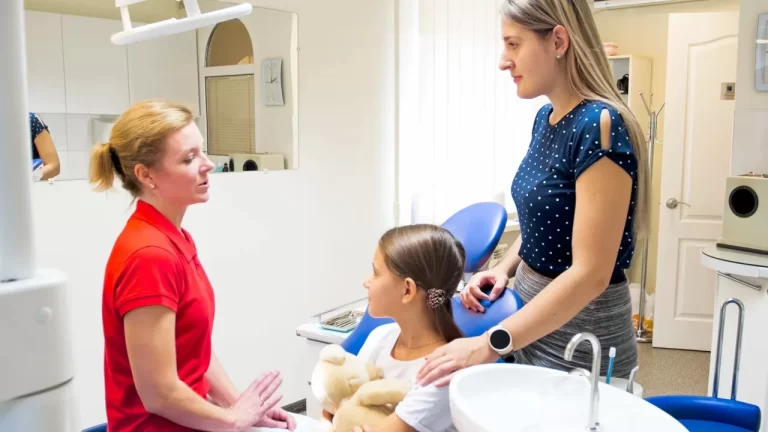
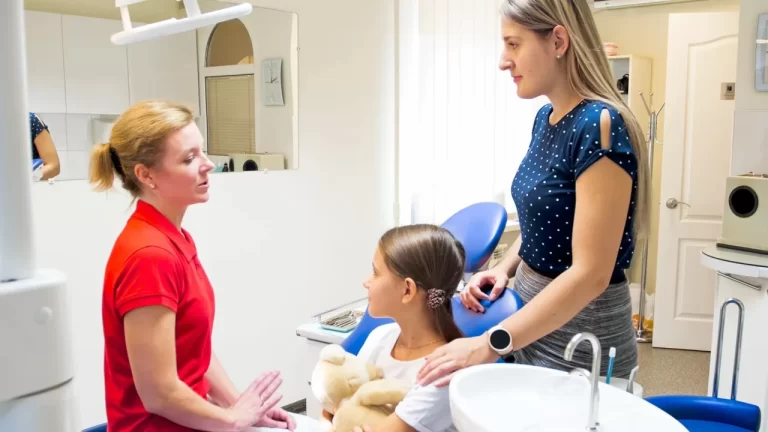
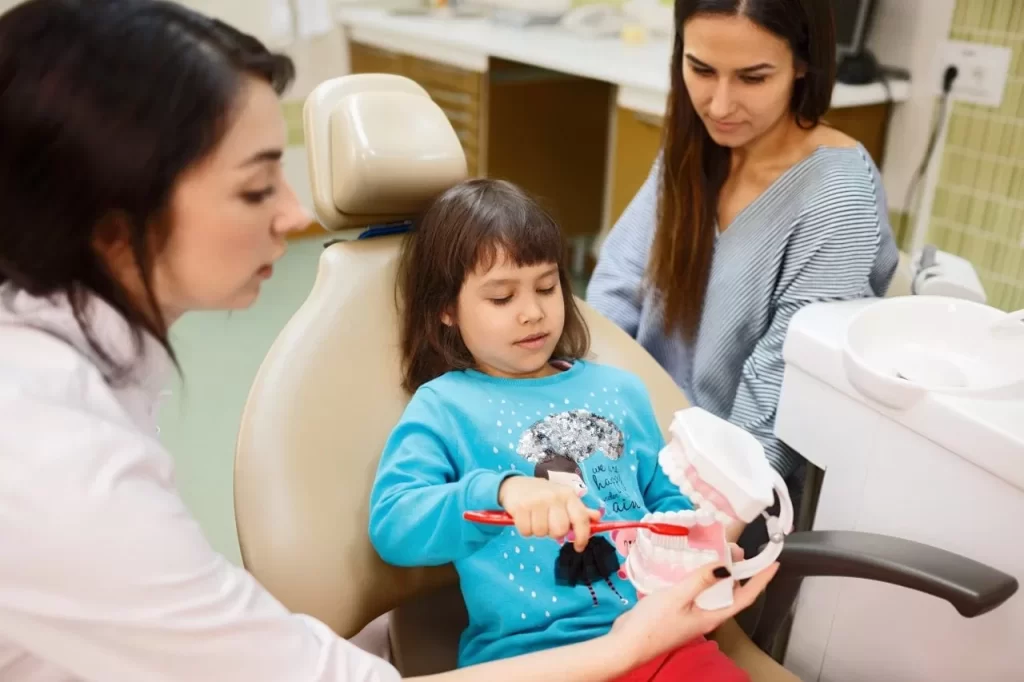
How you explain the appointment depends on your child's age and temperament. For younger children, keep explanations simple: "The doctor is going to help your teeth while you take a special nap." Avoid words like "shot" or "pain" that might increase anxiety.
Don't make promises you can't keep ("It won't hurt at all") or over-prepare anxious children days in advance. Sometimes less information reduces worry.
What Happens During Your Child's Dental Sedation
Knowing the process helps many parents feel less anxious themselves.
Arrival and Check-In
When you arrive at the dental office, staff will confirm when your child last ate or drank and review their medical history one final time. Your child will spend time in a kid-friendly pre-op area with TVs and toys designed to help them feel comfortable.
The Sedation Process
Once your child moves to the sedation suite, the anesthesiologist administers the sedative. For IV sedation, this means placing a small needle in your child's arm or hand. Your child falls asleep quickly.
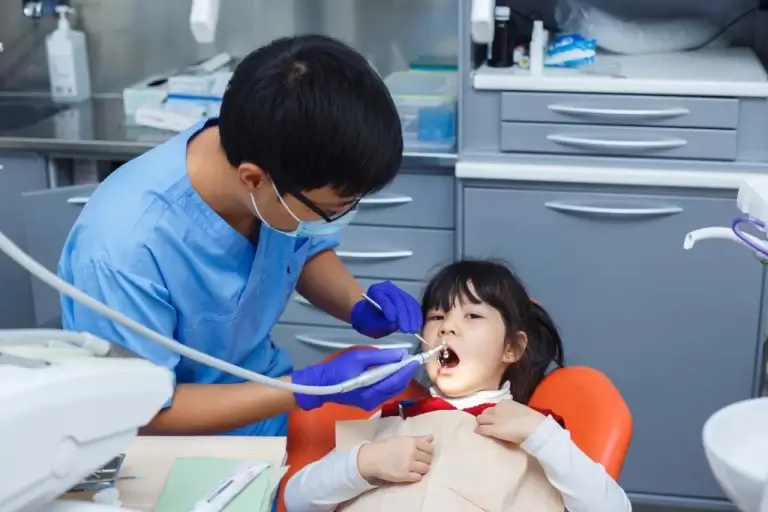
Throughout the dental procedure, the anesthesiologist monitors your child's heart rate, blood pressure, oxygen levels, and breathing continuously. The pediatric dentist completes all necessary dental treatment while your child sleeps comfortably.
Where Parents Wait
You cannot be in the sedation suite during the procedure. The dental team needs to focus entirely on your child without distractions. You'll wait in a dedicated waiting area while staff provides updates so you always know what's happening.
The moment your child begins waking up in recovery, you'll join them.
What to Expect After Dental Sedation
Recovery begins at the dental office and continues at home.
At the Office
When dental treatment is complete, your child moves to a recovery area. They'll be groggy and may not recognize you immediately. This is normal. Staff monitors them until they're stable enough to leave.
We'll deliver your child to your car in a wheelchair. The adult not driving should sit with your child and watch them the entire ride home.
At Home
Plan for your child to rest the remainder of the day. They may:
- Be drowsy for 2-4 hours after the procedure
- Feel emotional, confused, or irritable as sedation wears off
- Have trouble with balance and coordination
- Not remember the dental appointment at all
These effects are temporary and expected. Most children feel completely normal by the next morning.
Eating and Drinking
Start with clear liquids and soft foods when your child feels ready. The dental team will give you specific instructions based on what dental work was done. If your child's mouth is still numb from local anesthesia, wait until feeling returns before offering food to prevent accidental biting.
When to Call
Call 911 right away if your child has:
- Difficulty breathing or unusually noisy breathing
- Lips or fingernails turning blue
- Unusual difficulty waking up
Contact your dental office if your child experiences:
- Persistent vomiting that won't stop
- Fever over 101°F
These complications are rare, but you should know what warrants a call.
The 2-2-2 Rule and the Rule of 7
Parents sometimes hear these terms and wonder what they mean.
The 2-2-2 rule for teeth is a brushing guideline: brush twice a day, for two minutes, using a pea-sized amount of fluoride toothpaste. It's about prevention, not sedation. Good oral health habits reduce the chances your child needs extensive dental work in the future.
The rule of 7 in pediatric dentistry refers to the age when children typically have enough permanent teeth for orthodontic evaluation. By age 7, orthodontists can identify developing issues. Again, this isn't directly related to sedation, but parents often hear these terms together when discussing children's dental care.
Your Child's First Sedation Doesn't Have to Be Scary
Watching your child go through any medical procedure is hard. But pediatric dental sedation exists specifically to make dental care possible for children who couldn't receive it otherwise.
At Pediatric Sedation Center of Georgia, we've guided thousands of families through their child's first sedation experience. We keep parents informed at every step because we understand how difficult it is to hand over your child and wait.
Have questions about your child's upcoming sedation? Call us at 470-395-2524. We're happy to answer everything before your appointment so you know exactly what to expect.
For more information, visit our Pediatric Dental Sedation page or read our Pediatric Sedation FAQs.
Pediatric Sedation Center of Georgia
8180 Mall Parkway, Suite 810
Stonecrest, GA 30038